Understanding Why Cold Air Hurts Your Tooth
When cold air hurts tooth enamel, you’re not alone and you’re not imagining it. This sharp, sudden pain affects more than 40 million adults in the United States, turning simple winter activities like breathing outdoors into uncomfortable experiences.
Here’s why cold air causes tooth pain:
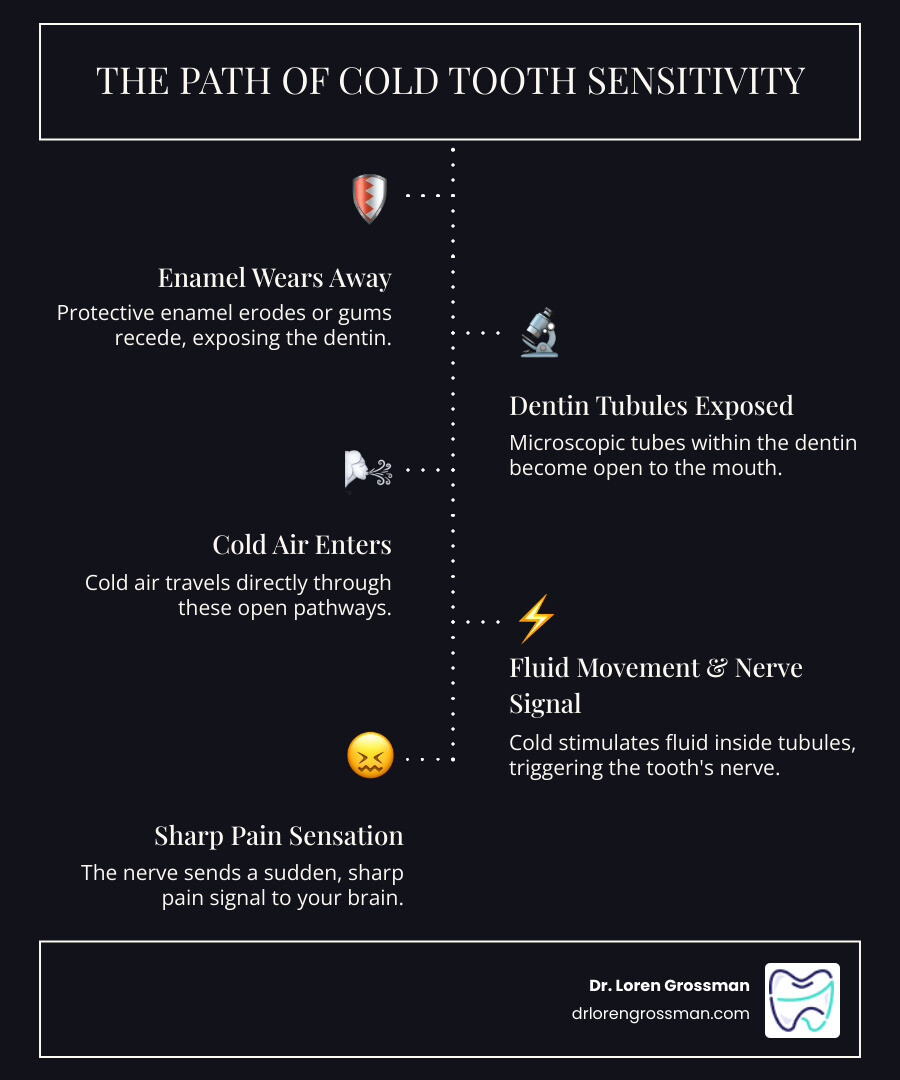
- Exposed dentin – When your protective enamel wears away, the underlying dentin layer (which contains tiny tubes leading to nerves) becomes exposed to temperature changes
- Microscopic pathways – Cold air travels through these tubes directly to your tooth’s nerve center, triggering sharp pain
- Temperature shock – Your teeth can experience temperature changes of up to 120 degrees, causing expansion and contraction that creates sensitivity
- Underlying dental issues – Cavities, gum recession, cracked teeth, or worn fillings make the problem worse
Common causes include:
- Brushing too hard with stiff-bristled toothbrushes
- Consuming acidic foods and drinks that erode enamel
- Teeth grinding (bruxism) or jaw clenching
- Gum disease causing receding gums
- Natural enamel thinning from aging
I’m Dr. Loren Grossman, and I’ve been treating patients in the Wyoming Valley since 1984, helping thousands find relief from cold air hurts tooth sensitivity through both preventive care and advanced treatments. My hands-on approach combines decades of experience with modern techniques to address the root causes of tooth sensitivity and restore your comfort.
The Science Behind Tooth Sensitivity: Enamel, Dentin, and Nerves
To truly understand why cold air hurts tooth enamel, we need to take a quick journey into the fascinating world of tooth anatomy. Our teeth are marvels of natural engineering, designed to withstand incredible forces and protect delicate inner structures. However, when these defenses are compromised, even a simple gust of cold air can send shivers down our spines and through our teeth!
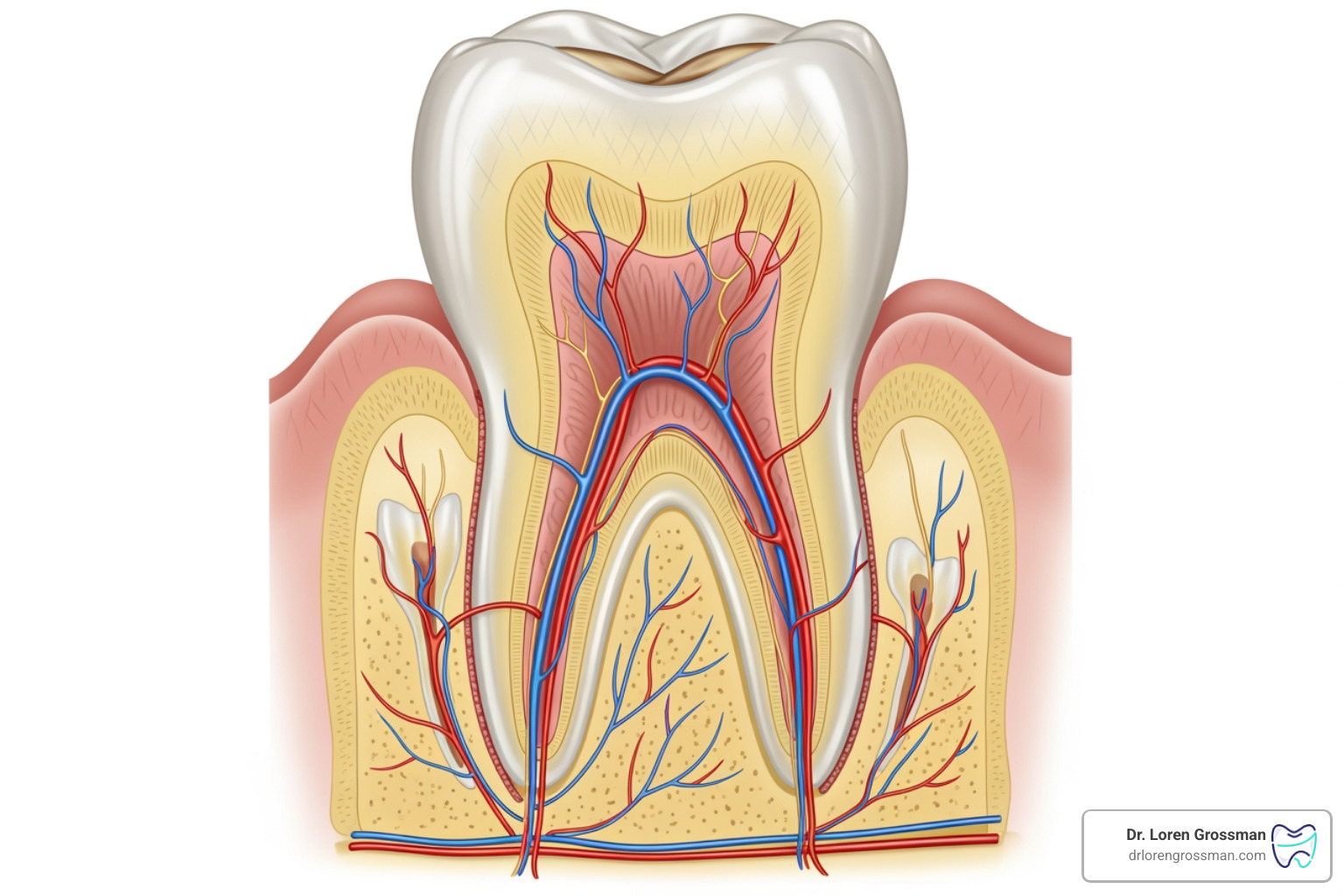
Imagine your tooth as a tiny, intricate fortress. The outermost layer is the mighty enamel, its hard, gleaming surface acting as the first line of defense. Beneath this, we find the dentin, a softer, more porous layer. At the very heart of the tooth lies the pulp, a chamber housing nerves, blood vessels, and connective tissue – the tooth’s living core. When something goes awry with these layers, especially concerning the dentin, that’s when we start feeling the chill.
Our front teeth, in particular, are often exposed to dramatic temperature shifts, sometimes as much as 120 degrees! This constant fluctuation between hot and cold can create a lot of stress on our dental structures, and when combined with other factors, it can lead to that unwelcome sting of sensitivity.
The Protective Role of Enamel
Enamel is, without a doubt, the superhero of our teeth. It’s the hardest substance in the human body, even tougher than bone! Its primary job is to act as a shield, protecting the more sensitive inner layers from the onslaught of daily chewing, biting, and temperature changes. It’s remarkably durable, but not indestructible.
Over time, our enamel can suffer from wear and tear. Acidic foods and drinks, vigorous brushing, and even certain medical conditions can lead to mineral loss and erosion. When enamel starts to thin or wear away, it’s like a castle wall developing cracks – the inner chambers become vulnerable. This erosion is a significant factor in why cold air hurts tooth enamel, as it removes the protective barrier our teeth rely on.
What Happens When Dentin is Exposed?
Beneath the enamel lies the dentin. Unlike the solid, impermeable enamel, dentin is a porous tissue permeated by millions of microscopic tubules. Think of these as tiny, hollow channels that extend from the outer surface of the dentin all the way to the pulp, where the tooth’s nerves reside. These tubules are filled with fluid.
When enamel wears away or gums recede, the dentin becomes exposed to the outside world. Now, when cold air, cold drinks, or even cold food touches the exposed dentin, it causes the fluid within these tubules to move. This movement stimulates the nerves in the pulp, sending a sharp, sudden pain signal to our brain. It’s a bit like a tiny alarm system, letting us know that something isn’t quite right. This direct line to the nerves is the fundamental reason why cold air hurts tooth enamel.
Common Culprits: Why Does Cold Air Hurt Your Tooth?
It’s not always just the cold weather itself that’s the problem. Often, the discomfort we feel when cold air hurts tooth enamel is a symptom of underlying issues. Many factors can contribute to tooth sensitivity, ranging from our daily habits to more serious dental conditions. Understanding these common culprits is the first step toward finding relief.
The Role of Worn Enamel and Gum Recession
As we discussed, enamel is our tooth’s protective armor. When this armor starts to wear down, the sensitive dentin underneath becomes exposed. Several things can lead to worn enamel:
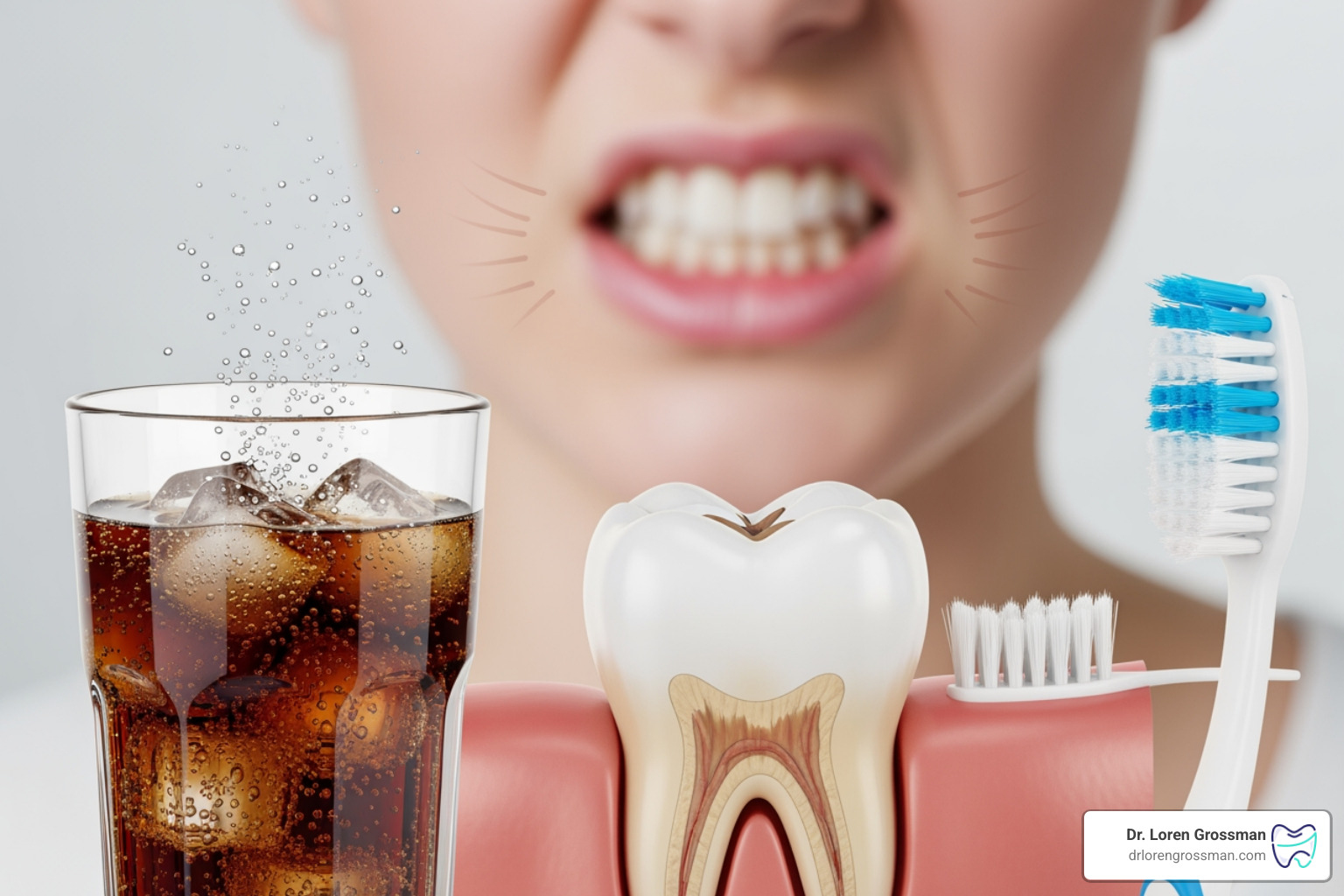
- Acidic Foods and Sugary Drinks: Consuming a diet high in acidic foods (like citrus fruits, tomatoes, and vinegar) and sugary beverages (sodas, sports drinks) can erode enamel over time. The acids literally dissolve the mineral structure of your tooth surface, making it thinner and weaker.
- Aggressive Brushing: Brushing too hard or using a toothbrush with stiff bristles can physically abrade enamel and even push back gum tissue, exposing the root surface.
- Teeth Grinding (Bruxism): Clenching and grinding our teeth, especially at night, puts immense pressure on our enamel, causing it to wear down prematurely and even leading to small cracks.
Gum recession is another major player in tooth sensitivity. Our gums protect the roots of our teeth, which don’t have the same thick enamel covering as the crown. When gums recede, often due to gum disease (gingivitis or periodontitis) or aggressive brushing, these sensitive root surfaces are laid bare. Exposed root surfaces are particularly vulnerable to temperature changes, making them highly susceptible to pain when cold air hurts tooth enamel. We dig deeper into this topic in our article: Uncovering the Mystery of Sensitive Teeth and How to Alleviate Sensitive Tooth Discomfort.
How Daily Habits Contribute to Why Cold Air Hurts Your Tooth
Sometimes, the cause of our sensitivity can be found in our everyday routines. What we eat, how we brush, and even unconscious habits can significantly impact our dental health and susceptibility to cold air pain.
- Aggressive Brushing and Hard-Bristled Toothbrushes: It might feel like you’re getting your teeth cleaner by scrubbing hard, but in reality, you’re likely doing more harm than good. Aggressive brushing can wear away enamel and irritate gum tissue, leading to recession. Switching to a soft-bristled toothbrush and using a gentle, circular motion is crucial.
- Teeth Grinding (Bruxism) and Clenching Jaw: Many people unconsciously grind or clench their teeth, especially during stressful times or while sleeping. This habit puts immense pressure on the teeth, leading to enamel wear, tiny fractures, and even loosening of teeth, all of which can increase sensitivity to cold.
- Diet Impact: Beyond acidic erosion, a diet high in sugar can contribute to cavities, which are notorious for causing sensitivity. Also, constant snacking can keep your mouth in an acidic state, hindering the natural remineralization process of your enamel.
These daily habits might seem minor, but their cumulative effect can be substantial. Adopting better oral hygiene practices and being mindful of these habits can make a big difference in preventing and alleviating tooth sensitivity. For more tips on maintaining excellent oral health, check out: Preventive Dental Care Tips from Your Scranton Dentist to Protect Your Oral Health.
Dental Issues That Amplify the Pain
While worn enamel and gum recession are common culprits, other dental issues can significantly amplify the pain felt when cold air hurts tooth enamel. These often require professional intervention to resolve:
- Cavities and Tooth Decay: A cavity is essentially a hole in your tooth caused by decay. Once decay penetrates the enamel, it creates a direct pathway to the sensitive dentin and eventually the pulp. Cold air or food can easily reach these exposed areas, causing intense pain.
- Cracked Teeth: Hairline fractures or larger cracks in a tooth can expose the inner layers, making the tooth highly sensitive to temperature changes and pressure. These cracks might not always be visible to the naked eye but can cause significant discomfort.
- Worn or Defective Fillings: Over time, fillings can wear down, chip, or become loose, creating tiny gaps where bacteria can enter and cold air can reach the dentin. Metal fillings, in particular, can expand and contract at a different rate than natural tooth structure, potentially exacerbating sensitivity to temperature changes.
It’s important not to ignore persistent tooth sensitivity, as it can be a warning sign of these more serious dental problems. Early detection and treatment are key to preventing further damage and more complex procedures down the line. Regular dental check-ups are vital for identifying and addressing these issues before they become major problems. Our article on The Importance of Regular Dental Check-ups in Wilkes-Barre: Insights from Dr. Grossman highlights why these visits are so crucial.
Your Action Plan: Managing and Preventing Cold Sensitivity
Experiencing that sharp jolt when cold air hurts tooth enamel can be disruptive, but the good news is that there are many effective strategies to manage and prevent this discomfort. From simple changes in your daily routine to professional dental treatments, we have a range of solutions to help you find relief and protect your smile.
At-Home Strategies for Relief
Many cases of tooth sensitivity can be significantly improved with consistent at-home care. These simple steps can often make a big difference:
- Use Desensitizing Toothpaste: These toothpastes contain special ingredients, like potassium nitrate or stannous fluoride, that work to block the microscopic tubules in your dentin or desensitize the nerve endings. Regular use, brushing twice daily, can build a protective barrier over time and provide noticeable relief.
- Switch to a Soft-Bristled Toothbrush: As mentioned earlier, aggressive brushing can contribute to enamel wear and gum recession. A soft-bristled brush, used with gentle, circular motions, cleans effectively without damaging your teeth or gums.
- Practice Gentle Brushing Techniques: Focus on cleaning each tooth surface thoroughly rather than scrubbing vigorously. Hold your brush like a pen to encourage a lighter touch.
- Incorporate a Fluoride Mouthwash: Fluoride helps to strengthen tooth enamel and can provide an extra layer of protection against sensitivity.
- Breathe Through Your Nose in Cold Weather: This simple trick can significantly reduce the amount of cold air directly hitting your teeth when you’re outdoors in Kingston, Wilkes-Barre, or Scranton during the winter months. It’s a small adjustment that can offer immediate relief.
- Avoid Acidic and Sugary Foods/Drinks: Limiting your intake of these items can help prevent further enamel erosion. If you do consume them, try to do so during meals and rinse your mouth with water afterward.
- Maintain Excellent Oral Hygiene: Regular brushing and flossing help prevent plaque buildup, which can irritate gums and exacerbate sensitivity.
For more helpful tips on managing sensitivity and to find the best solution for your situation, reach out to Dr. Loren Grossman’s office for personalized advice or to schedule an appointment.
Professional Treatments for Lasting Solutions
While at-home care is crucial, sometimes the underlying cause of sensitivity requires professional dental intervention. We offer a range of treatments in our Northeastern Pennsylvania offices that can provide lasting relief:
- Fluoride Varnish Application: We can apply a professional-strength fluoride varnish to your teeth. This highly concentrated fluoride helps to strengthen enamel and block exposed dentinal tubules, significantly reducing sensitivity.
- Dental Bonding or Sealants: For areas of exposed root surface due to gum recession, we might recommend applying a tooth-colored resin material (bonding) or a sealant. This acts as a protective barrier over the sensitive areas.
- Crowns or Inlays/Onlays: If sensitivity is caused by a cracked tooth, extensive decay, or a worn filling, a crown or an inlay/onlay can restore the tooth’s integrity, protect the inner structures, and eliminate sensitivity.
- Gum Grafts: In cases of significant gum recession exposing large portions of the root, a gum graft procedure can cover the exposed root surface, restoring gum health and eliminating sensitivity.
- Root Canal Therapy: If sensitivity is severe and persistent, indicating an issue with the tooth’s pulp (like deep decay or infection), a root canal may be necessary. This procedure removes the inflamed or infected pulp, effectively eliminating the pain.
During your visit to our office in Dallas or Pittston, we’ll conduct a thorough examination to determine the exact cause of your sensitivity and recommend the most appropriate treatment plan. Learn more about our comprehensive services here: Comprehensive Dental Services Offered in Wilkes-Barre: Why Choose Dr. Grossman.
Preventive Measures to Stop Why Cold Air Hurts Your Tooth
Prevention is always better than cure, especially when it comes to dental health. By adopting a proactive approach, we can significantly reduce the likelihood of experiencing that jarring pain when cold air hurts tooth enamel.
- Maintain a Balanced Diet: Limit highly acidic foods and drinks, which can erode enamel. Opt for a diet rich in fruits, vegetables, and dairy products that support overall oral health.
- Limit Sugary and Acidic Drinks: Reduce your consumption of sodas, sports drinks, and fruit juices, which are highly acidic and contribute to enamel erosion. If you do consume them, consider using a straw to minimize contact with your teeth.
- Regular Dental Cleanings and Check-ups: These routine visits are paramount. Our team can remove plaque and tartar buildup, identify early signs of gum disease or cavities, and address issues like worn fillings or minor cracks before they lead to significant sensitivity. We recommend visiting us in Kingston or Wilkes-Barre at least twice a year.
- Consider a Nightguard for Grinding (Bruxism): If you grind or clench your teeth, especially at night, a custom-fitted nightguard can protect your enamel from excessive wear and reduce the stress on your teeth.
- Practice Proper Brushing and Flossing: Consistent and correct oral hygiene is the cornerstone of preventing sensitivity. Use a soft-bristled brush, brush gently for two minutes twice a day, and floss daily to keep your gums healthy and prevent decay.
Taking these preventive steps can go a long way in safeguarding your smile and keeping tooth sensitivity at bay. For more insights into proactive dental care, explore our article: Preventive Dentistry Practices in Pittston: How Regular Visits Can Save Your Smile.
Frequently Asked Questions about Tooth Sensitivity
We understand that when cold air hurts tooth enamel, you’ll have questions. Here are some common inquiries we receive from our patients in Northeastern Pennsylvania about tooth sensitivity, along with our expert answers.
Can sinus issues be related to tooth pain in cold weather?
Absolutely! This is a great question and often a source of confusion for many. When cold air hurts tooth enamel, it’s not always a dental problem. Our sinuses, particularly the maxillary sinuses located above your upper back teeth, share neural pathways with these teeth. This means that inflammation or pressure in your sinuses can manifest as pain in your upper teeth, mimicking a toothache.
In cold weather, respiratory illnesses like the common cold or flu can lead to sinusitis (sinus inflammation). When your sinuses are inflamed or congested, the pressure can be referred to your upper teeth, causing discomfort that feels very much like dental pain. You might notice this pain is worse when you bend over or when cold air hits your face.
How to differentiate: If the pain is primarily in your upper back teeth, accompanied by other symptoms like a stuffy or runny nose, facial tenderness, or pressure around your eyes and forehead, it might be sinus-related. If the pain is isolated to one or two teeth, is sharp and localized, and doesn’t have accompanying sinus symptoms, it’s more likely a dental issue. However, only a professional can definitively diagnose the cause.
What are the long-term consequences of ignoring tooth sensitivity?
Ignoring tooth sensitivity, especially when cold air hurts tooth enamel, can have several serious long-term consequences. While it might seem like a minor annoyance, sensitivity is often a warning sign that shouldn’t be overlooked.
- Worsening Decay: If sensitivity is caused by an undiagnosed cavity, ignoring it allows the decay to progress. What might start as a small, treatable cavity can deepen, potentially leading to infection of the pulp.
- Increased Pain and Discomfort: The underlying issue causing sensitivity will likely worsen over time, leading to more frequent and intense pain, making everyday activities increasingly uncomfortable.
- Risk of Infection: Untreated decay, cracks, or gum disease can lead to bacterial infections in the tooth’s pulp or surrounding gum tissues. These infections can be very painful and, if left untreated, can spread to other parts of the body.
- More Extensive and Costly Treatments: What could have been a simple filling or a change in brushing habits might escalate into needing a root canal, a crown, or even tooth extraction if the problem is ignored. Early intervention almost always means simpler, less invasive, and more affordable treatment.
- Potential Tooth Loss: In severe cases of untreated decay or gum disease, the tooth may become so compromised that it cannot be saved and needs to be extracted.
Tooth sensitivity is your body’s way of telling you something is wrong. Listening to these signals and seeking professional advice promptly is crucial for maintaining your long-term oral health.
When should I see a dentist for tooth sensitivity?
While some mild, temporary sensitivity might resolve with at-home care, it’s always wise to consult with your dentist, especially if cold air hurts tooth enamel consistently. Here are clear indicators that it’s time to schedule an appointment with us:
- Persistent Pain: If the sensitivity doesn’t go away after a few days of using desensitizing toothpaste or if it keeps returning.
- Lingering Sensitivity: If the pain from cold air or food lingers for more than a few seconds after the stimulus is removed. This can be a sign of a more significant issue, like pulp inflammation.
- Pain When Biting or Chewing: Sensitivity accompanied by pain when you bite down could indicate a crack, a loose filling, or even a dental abscess.
- Visible Cracks or Holes: If you can see a visible crack in your tooth or a dark spot that might be a cavity.
- Swollen, Red, or Bleeding Gums: These are signs of gum disease, which can lead to gum recession and exposed roots, causing sensitivity.
- Pain After Dental Work: If you experience new or increased sensitivity after a recent filling, crown, or other dental procedure, it’s important to have it checked.
- Sensitivity Affecting Your Quality of Life: If the pain prevents you from enjoying certain foods or makes it difficult to go outside in cold weather, it’s time to seek professional help.
Don’t hesitate to reach out to our team in Kingston, Wilkes-Barre, or Scranton. We’re here to help diagnose the root cause of your sensitivity and provide effective solutions.
Don’t Let Tooth Pain Put a Freeze on Your Life
We hope this guide has shed some light on why cold air hurts tooth enamel and what you can do about it. From the intricate science of enamel and dentin to the daily habits and dental issues that contribute to sensitivity, understanding the “why” is the first step toward lasting relief.
That sharp twinge of pain is your teeth’s way of sending a signal. It’s not something to simply endure or ignore. Whether it’s a minor issue solvable with a simple change in toothpaste or a symptom of a more serious underlying problem, professional diagnosis is key. Our commitment at Dr. Loren Grossman is to provide personalized, top-tier care right here in Northeastern Pennsylvania. We combine decades of experience with advanced technology to ensure you receive the most effective and comfortable treatment possible.
Don’t let the cold weather or a love for ice cream put a freeze on your comfort and enjoyment of life. Taking proactive steps, whether it’s adjusting your brushing technique or scheduling a professional consultation, can make all the difference. We’re here to help you achieve and maintain a healthy, pain-free smile.
Ready to find lasting relief and get to the bottom of your tooth sensitivity? Find lasting relief with our general dentistry services. Contact us today to schedule your appointment and let us help you smile confidently, no matter the temperature!