Why Missing Teeth Don’t Have to Define Your Smile in Kingston, PA
Dentures that Kingston, PA residents can access today are far more comfortable, natural-looking, and functional than the dentures of past generations — and getting started is simpler than most people expect.
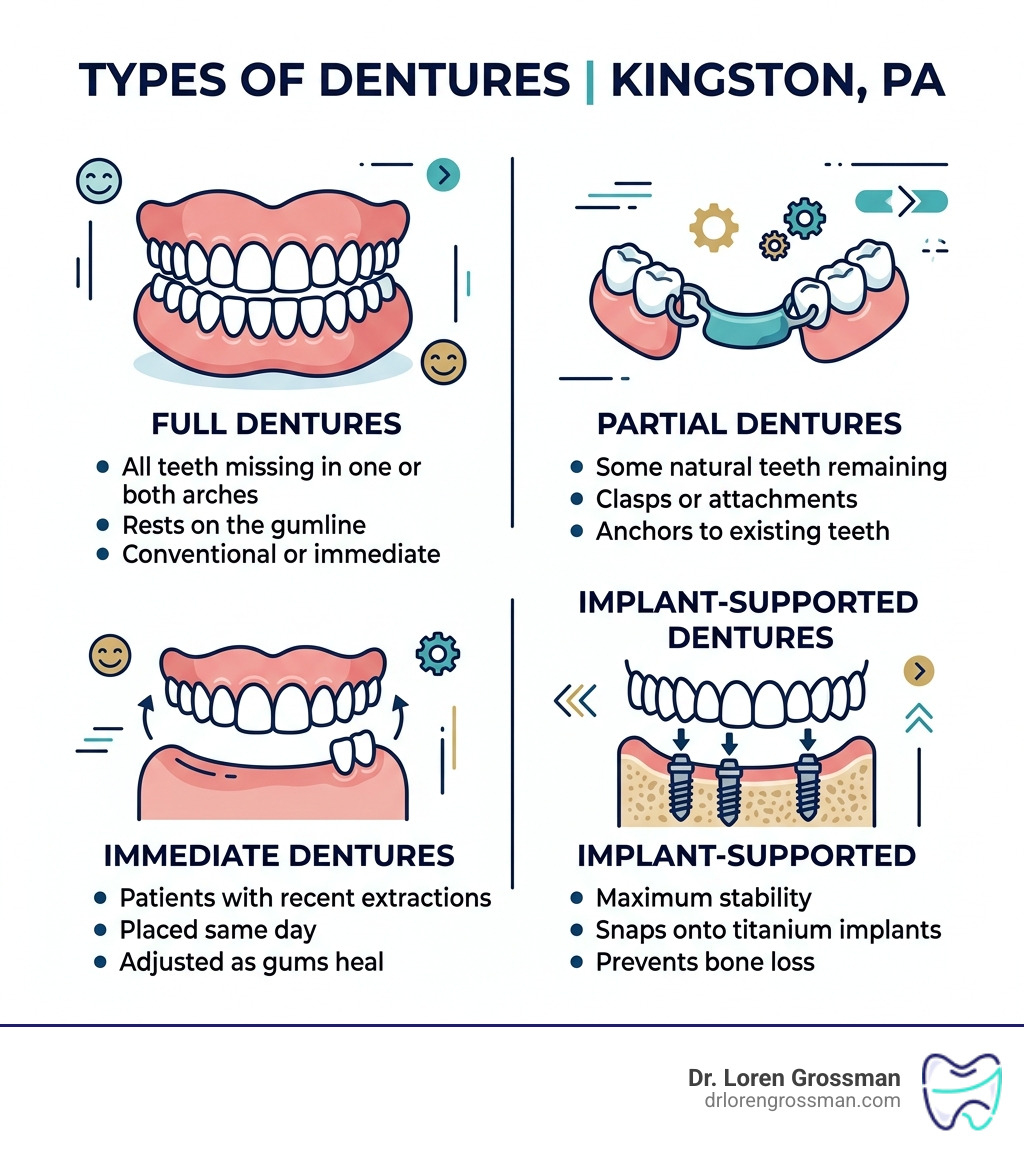
Here’s a quick overview of denture options available in Kingston, PA:
| Type | Best For | Key Feature |
|---|---|---|
| Full Dentures | All teeth missing in one or both arches | Rests on the gumline; conventional or immediate |
| Partial Dentures | Some natural teeth remaining | Clasps or attachments anchor to existing teeth |
| Immediate Dentures | Patients who just had teeth extracted | Placed same day; adjusted as gums heal |
| Implant-Supported Dentures | Patients wanting maximum stability | Snaps onto titanium implants in the jaw |
Tooth loss affects more than just your appearance. It can change how you speak, what you eat, and even how your face looks over time. Without teeth to support it, the jaw and surrounding facial structure can begin to shift — making you look older and feel less like yourself.
The good news? Modern restorative dentistry offers solutions that fit your life, your budget, and your smile goals.
I’m Dr. Loren Grossman, a family and cosmetic dentist serving the Wyoming Valley since 1984, with decades of hands-on experience helping patients in the region including those seeking Dentures reclaim confident, functional smiles. In this guide, I’ll walk you through everything you need to make an informed decision about your tooth replacement options.
Understanding Your Options for Dentures in Kingston PA
When you begin exploring Dentures, the first thing you’ll notice is that there isn’t a “one-size-fits-all” solution. Modern prosthetics are highly customized to the individual’s oral anatomy. Whether you are missing a single tooth, a cluster of teeth, or an entire arch, we have a way to fill that gap and restore your bite.
The foundation of a traditional denture is the acrylic base. This base is carefully shaded to match the natural color of your gums. In April 2026, digital imaging allows us to capture the exact contours of your ridges, ensuring the base sits snugly against the soft tissue. This fit is vital for both comfort and the health of your remaining gum tissue.
Full vs. Partial Dentures
The choice between full and partial dentures depends entirely on how many natural teeth you have left.
- Full (Complete) Dentures: These are used when all teeth in either the upper or lower arch (or both) are missing. A full upper denture usually covers the roof of your mouth (the palate), while the lower denture is shaped like a horseshoe to leave room for your tongue.
- Partial Dentures: If you still have some healthy natural teeth, a partial denture is often the best route. These consist of replacement teeth attached to a gum-colored base, which is often strengthened by a metal framework. They stay in place using metal clasps or “precision attachments” that anchor onto your sturdy natural teeth.
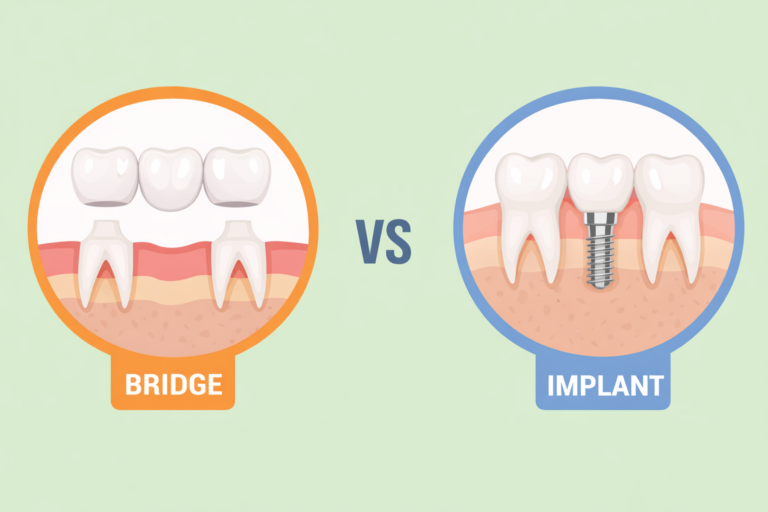
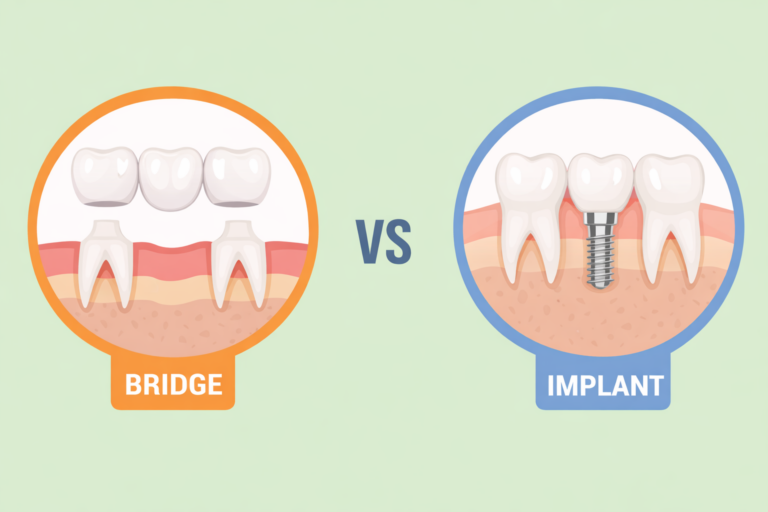
Using partials doesn’t just help you chew; it prevents your remaining natural teeth from shifting out of place, which can lead to a crooked smile or jaw pain. If you’re looking for other ways to bridge smaller gaps, you might also want to check out our Beginners Guide to Dental Crowns & Bridges.
Immediate vs. Conventional Dentures
Timing is everything when it comes to tooth replacement.
- Conventional Dentures: These are made after any remaining teeth have been extracted and the gum tissue has had time to heal—usually a period of 4 to 6 weeks. This ensures the best possible fit because the jawbone and gums have finished shrinking and changing shape following surgery.
- Immediate Dentures: We understand that many of our Kingston patients don’t want to spend a single day without teeth. Immediate dentures are fabricated beforehand and placed the same day your teeth are removed. While convenient, they often require more adjustments (relines) later on because the mouth changes shape significantly during the healing process.
The Functional and Aesthetic Benefits of Smile Restoration
Getting dentures is about much more than just “looking good” for a photo. It’s a functional necessity for your overall health. When you lose teeth, your facial muscles can begin to sag, leading to a sunken appearance that can add years to your face. Dentures provide the internal “scaffolding” needed to support your cheeks and lips.
Furthermore, dentures allow you to return to a varied, healthy diet. Proper nutrition is difficult when you can’t chew crunchy vegetables or lean proteins. By restoring your chewing surface, you improve your digestion and overall systemic health.
Improving Quality of Life in April 2026
As we move through 2026, the stigma once associated with dentures has largely vanished, thanks to how natural they look. Patients often report a massive boost in social comfort. No more covering your mouth when you laugh or avoiding public speaking because of a lisp caused by missing teeth.
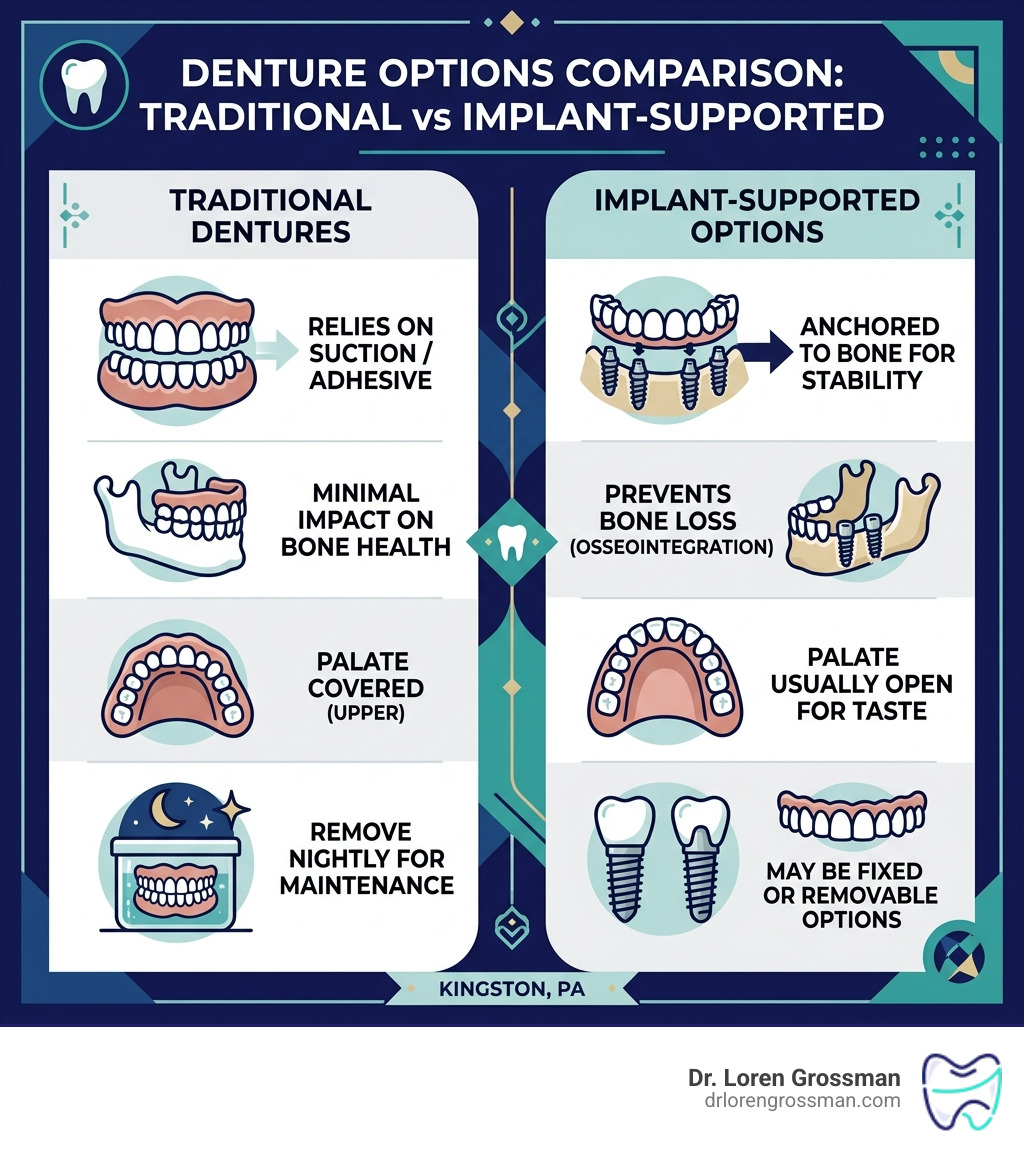
| Feature | Traditional Dentures | Implant-Supported Options |
|---|---|---|
| Stability | Relies on suction/adhesive | Anchored to bone |
| Bone Health | Minimal impact | Prevents bone loss |
| Taste | Palate covered (upper) | Palate usually open |
| Maintenance | Remove nightly | May be fixed or removable |
The Step-by-Step Process for Dentures in Kingston, PA
We believe the process should be transparent and stress-free. It all starts with a comprehensive oral examination at our Kingston dental practice. We check your periodontal health to ensure your gums are healthy enough to support a prosthetic.
Custom Fabrication and Fitting for Dentures Kingston PA
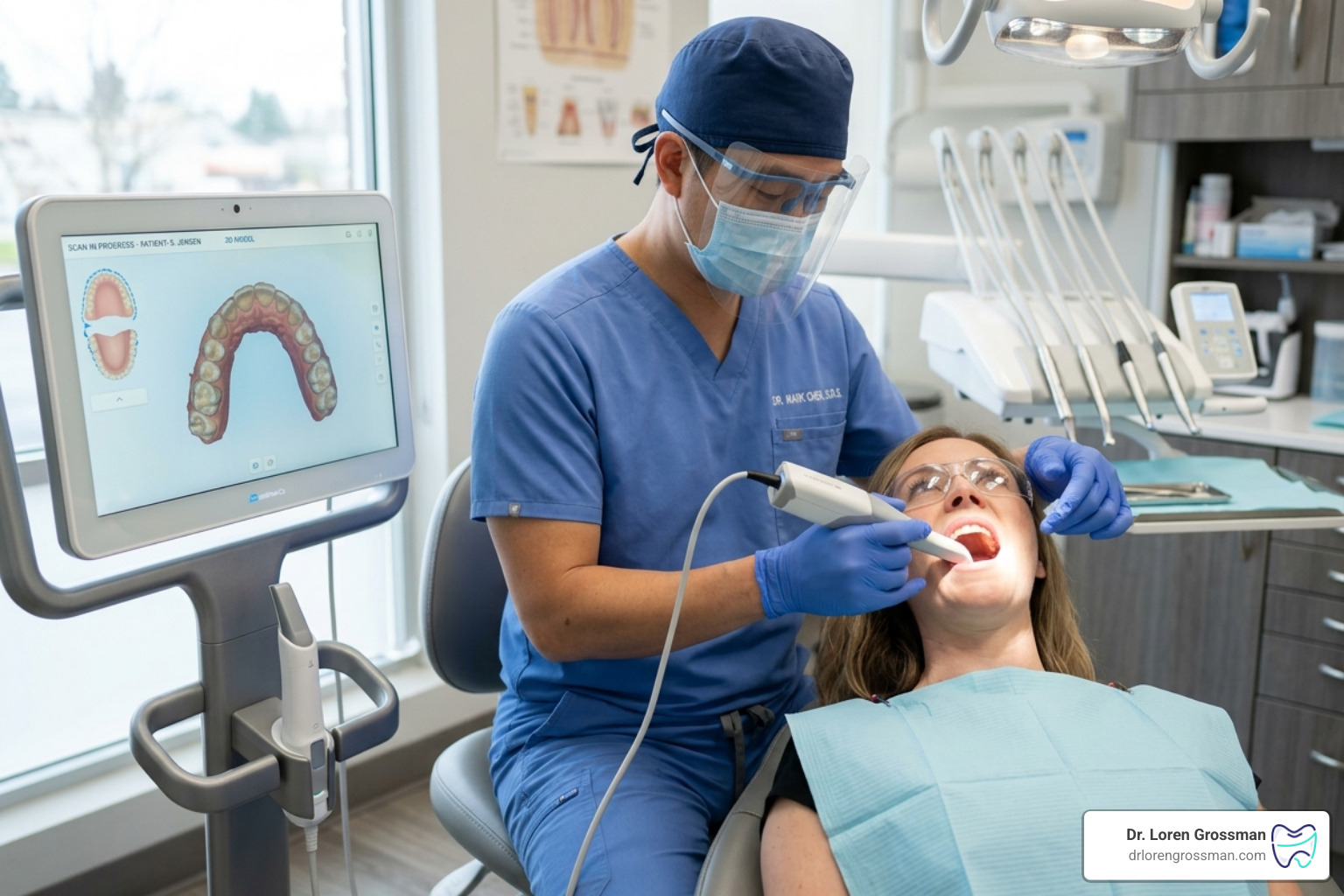
Once we’ve determined you’re a good candidate, we use digital dentistry to take highly accurate impressions. Gone are the days of biting into a tray full of messy, gag-inducing clay. These digital molds are sent to a specialized laboratory where technicians craft your appliance.
The “Try-In” phase is the most exciting part. You’ll visit us to try on a wax version of your dentures. This allows us to check the shade matching—ensuring the teeth look like “your” teeth—and verify the jaw alignment. We want to make sure your bite is even so you don’t experience jaw fatigue later.
What to Expect During the Adjustment Period
Even the most perfectly crafted dentures will feel a little “foreign” at first. This is completely normal. During the first few weeks, you might notice:
- Increased Saliva: Your brain thinks the dentures are food and tells your glands to get to work. This subsides quickly.
- Speech Changes: You might find yourself making a “whistling” sound with certain words. We recommend reading aloud or singing in the shower to help your tongue learn its new positions.
- Minor Soreness: Just like new shoes, dentures can have “hot spots.” We schedule follow-up visits to tweak the fit and relieve these pressure points.
Maintenance and Longevity of Your New Smile
A high-quality denture is an investment in your future. While the prosthetic teeth themselves can’t get cavities, the appliance still requires diligent care to prevent plaque buildup, which can cause gum infections or bad breath.
Caring for Your Dentures in Kingston, PA
To keep your smile sparkling, follow these simple steps:
- Brush Daily: Use a soft-bristled brush specifically designed for dentures. Avoid regular toothpaste, as it is often too abrasive and can create microscopic scratches where bacteria hide.
- Nightly Soaking: Your gums need a break! Remove your dentures at night and soak them in a denture cleanser or plain water. This keeps them hydrated so they don’t warp. Never use hot water, as it can permanently misshape the acrylic.
- Oral Hygiene: Even if you have no natural teeth, you still need to brush your gums, tongue, and the roof of your mouth with a soft brush every morning. This stimulates circulation and removes plaque. For more tips on maintaining a healthy mouth, see our A-Z Guide to Dental Health.
Relining, Rebasing, and Replacement
On average, a set of dentures lasts about 7 to 10 years. Over time, the bone in your jaw naturally resorbs (shrinks) because it no longer has tooth roots to stimulate it. This causes the dentures to become loose.
- Relining: We add a new layer of material to the underside of the denture to tighten the fit.
- Rebasing: We replace the entire pink acrylic base while keeping the existing teeth.
- Replacement: Eventually, the teeth themselves wear down, and a completely new set is required to maintain proper jaw alignment.
Modern Alternatives: Implant-Supported Solutions
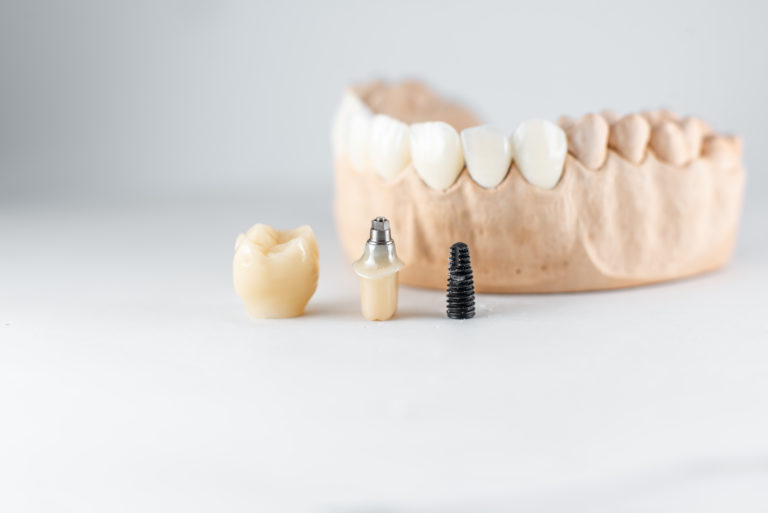
For those looking for the “Gold Standard” in tooth replacement, we often recommend looking into Dental Implants. Unlike traditional dentures that sit on top of the gums, implant-supported dentures are snapped onto titanium posts surgically placed in the jawbone.
This provides superior stability—no slipping, no clicking, and no need for messy adhesives. Because the implants act like tooth roots, they also help preserve your jawbone. If you’re wondering about the procedure, you can read more about whether dental implants are safe and how they can restore your confidence.
Frequently Asked Questions about Dentures
How much do dentures cost in Kingston, PA?
The cost of dentures in Kingston, PA varies based on the complexity of your case, the materials used (acrylic vs. porcelain teeth), and whether you need extractions first. Many insurance plans cover a significant portion of restorative work. We also offer financing options to ensure that a healthy smile is accessible to everyone in our community.
How long does it take to get used to new dentures?
Most patients feel fully adjusted within about 4 weeks. We suggest starting with soft foods like eggs, yogurt, and cooked vegetables, cutting them into small, bite-sized pieces. Chew on both sides of your mouth simultaneously to keep the denture stable.
Can dentures be repaired if they break?
Yes! If you drop your denture or a tooth chips, do not try to fix it with “super glue”—the chemicals are toxic and can ruin the appliance. Contact us immediately. We work with professional labs that can often perform emergency repairs to get you back to smiling the same day or shortly after.
Conclusion
At the office of Dr. Loren Grossman, we don’t just provide “false teeth”; we provide a second chance at a vibrant, active life. Whether you are interested in traditional partials or advanced implant-supported solutions, our team is dedicated to providing personalized, compassionate care using the latest technology available in April 2026.
Don’t let missing teeth keep you on the sidelines. Schedule your consultation for dentures in Kingston today and take the first step toward a brand-new smile!