Why Finding a Dentist That Accepts Medicaid Is Harder Than It Should Be
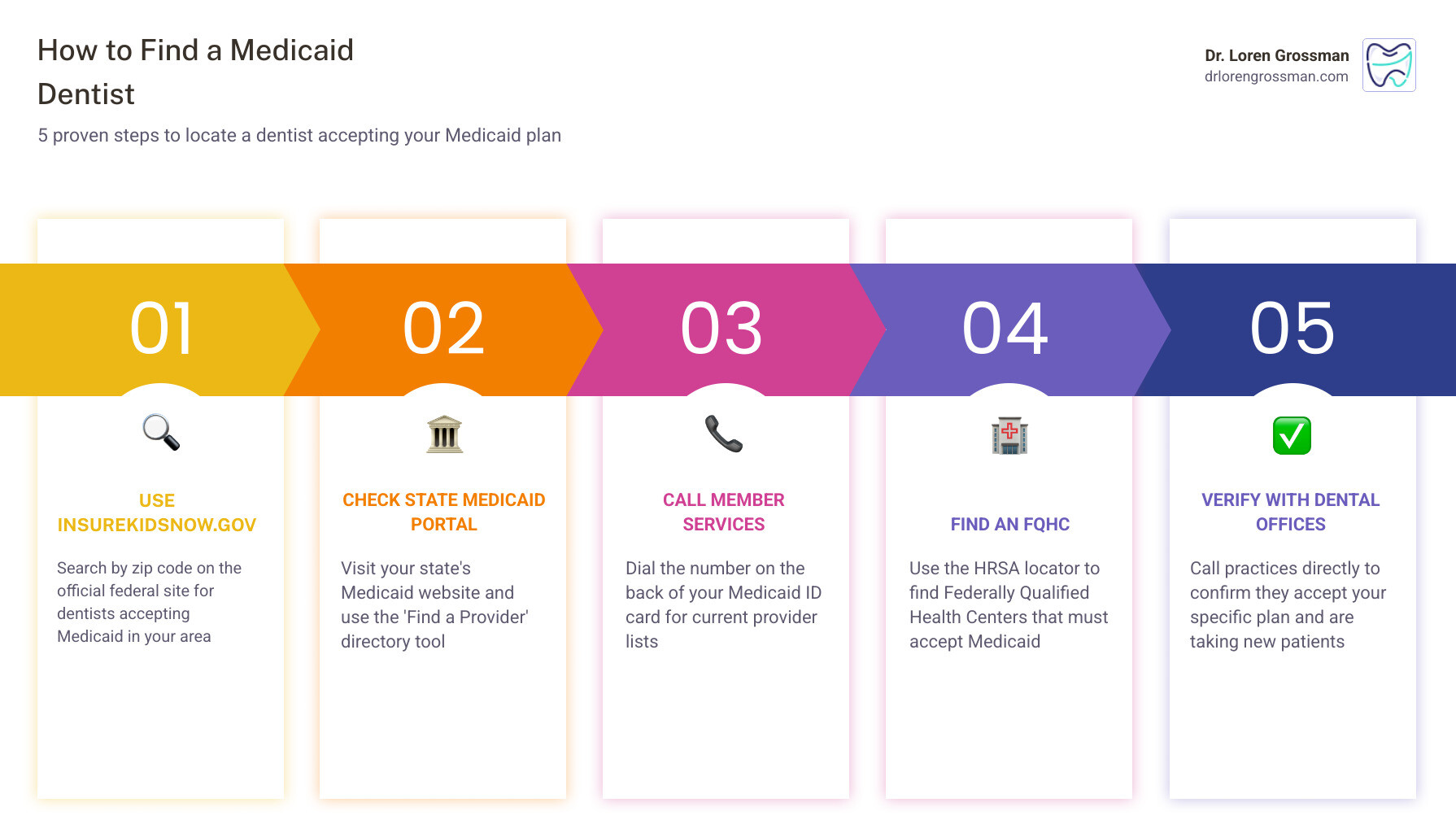
If you need how to find a dentist that accepts medicaid, here are the fastest ways to get started:
- Visit InsureKidsNow.gov — search by zip code for Medicaid-accepting dentists near you
- Go to your state’s Medicaid website — look for a “Find a Provider” or “Provider Directory” tool
- Call your Medicaid member services number — it’s on the back of your Medicaid ID card
- Search for a Federally Qualified Health Center (FQHC) — use the HRSA Find a Health Center tool; FQHCs are required to accept Medicaid
- Call dental offices directly — always confirm they accept your specific Medicaid plan and are taking new patients
Millions of Americans rely on Medicaid for dental care — but actually getting that care can feel frustrating. Many people report that finding a dentist who accepts Medicaid is significantly harder than finding a regular doctor. Reimbursement rates are lower, networks are smaller, and dental benefits are often managed separately from your medical coverage. That means a dentist listed in one directory might not accept your specific plan.
The good news: with the right tools and a few phone calls, it is absolutely possible to find quality Medicaid dental care — even in areas like Northeastern Pennsylvania where provider options can feel limited.
I’m Dr. Loren Grossman, D.M.D., a family and cosmetic dentist serving the Wyoming Valley since 1984, and over four decades of practice I’ve helped guide countless patients through the process of how to find a dentist that accepts Medicaid and access the care they deserve. In this guide, I’ll walk you through every step clearly so you can stop searching and start smiling.
How to Find a Dentist That Accepts Medicaid: A Step-by-Step Process
Searching for a dentist shouldn’t feel like a part-time job, but because dental benefits are often “carved out” (managed separately) from medical benefits, it requires a specific strategy. In May 2026, the landscape of Medicaid continues to evolve, with more states expanding adult benefits, yet the challenge of finding a participating provider remains.

To begin your search, you need to look at official state-level resources. Medicaid is a joint federal and state program, but it is administered at the state level. This means the rules in Pennsylvania might be different from those in neighboring states. According to Finding Doctors and Dentists Who Accept Medicaid: Your Step-by-Step Guide | GovFacts, the most reliable starting point is your state’s specific provider directory.
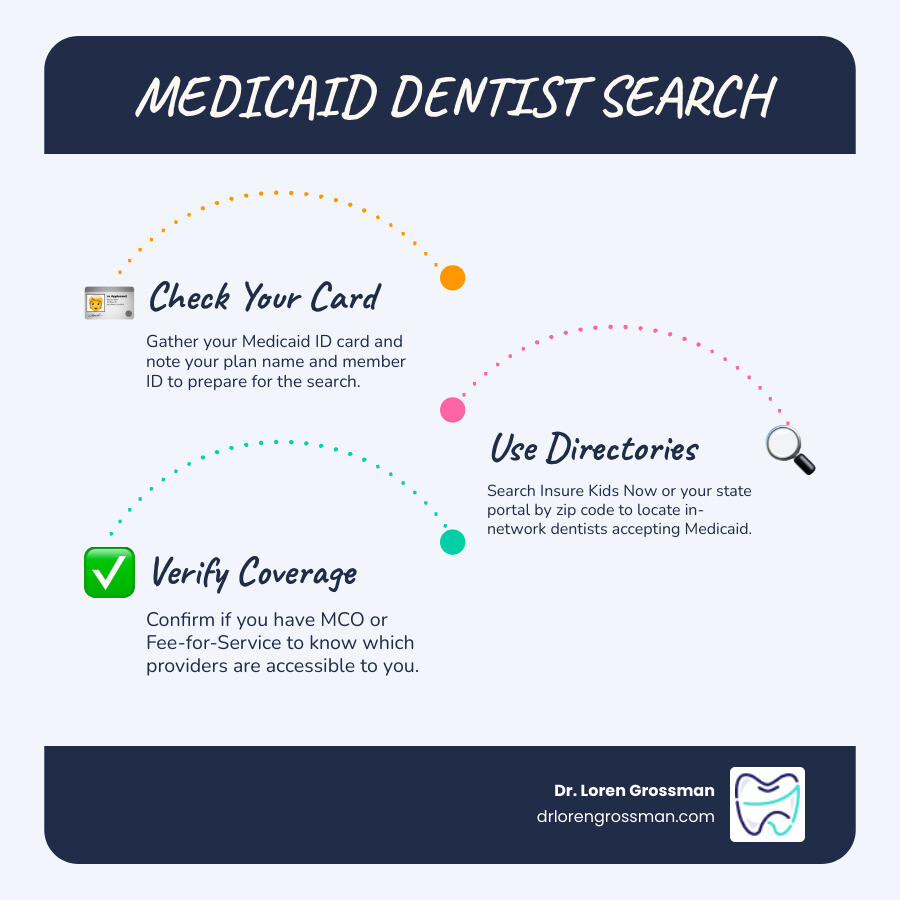
If you are just starting out, the official Medicaid.gov FAQ suggests using the national locator tools as a baseline. We recommend gathering your Medicaid ID card first, as you will need the plan name and your member ID to narrow down the search by zip code.
Using Official Tools for How to Find a Dentist That Accepts Medicaid
The most powerful tool at your disposal is the Insure Kids Now website. While the name suggests it is only for children, it is the primary national database for Medicaid and CHIP dental providers. You can filter by your state, zip code, and the distance you are willing to travel. For parents, this is the gold standard for finding a pediatric dentist accepting Medicaid in your area.
In Pennsylvania, the Medicaid Dental-Services – Commonwealth of Pennsylvania portal provides links to the specific Managed Care Organizations (MCOs) that handle dental benefits. Additionally, you can utilize:
- 2-1-1 Services: Available 24/7 in most areas, dialing 2-1-1 can connect you with local community resource specialists.
- Member Portals: Most Medicaid plans now have apps or websites where you can log in to see a list of “in-network” providers.
- Local Health Departments: These offices often maintain lists of clinics that provide sliding-scale fees or accept all forms of Medicaid.
Verifying Your Coverage: MCO vs. Fee-for-Service
Before you call a dentist, you must know how your Medicaid is paid. This is a common stumbling block. There are two main types:
- Managed Care Organization (MCO): Approximately 72-75% of all Medicaid beneficiaries are enrolled in these plans. Private companies (like DentaQuest or UnitedHealthcare) are paid by the state to manage your care. You must see a dentist in their specific network.
- Fee-for-Service (FFS): The state pays the dentist directly for each service provided. You can theoretically see any dentist who is enrolled as a Medicaid provider with the state.
| Feature | Managed Care (MCO) | Fee-for-Service (FFS) |
|---|---|---|
| Provider Network | Restricted to plan’s network | Any state-enrolled provider |
| Management | Private insurance company | State Medicaid agency |
| Pre-Authorization | Handled by the MCO | Handled by the state |
| ID Card | Issued by the private plan | Issued by the state |
Just five large, publicly traded parent companies account for roughly half of all Medicaid MCO enrollment nationwide. If your card has a logo like DentaQuest, you are in an MCO. Understanding this distinction is vital because a dentist might accept “Medicaid” generally but not your specific MCO plan.
Understanding Medicaid Dental Coverage by State and Age
One of the most confusing aspects of Medicaid is that coverage is not the same for everyone. There is a massive difference between what is “required” and what is “optional.”
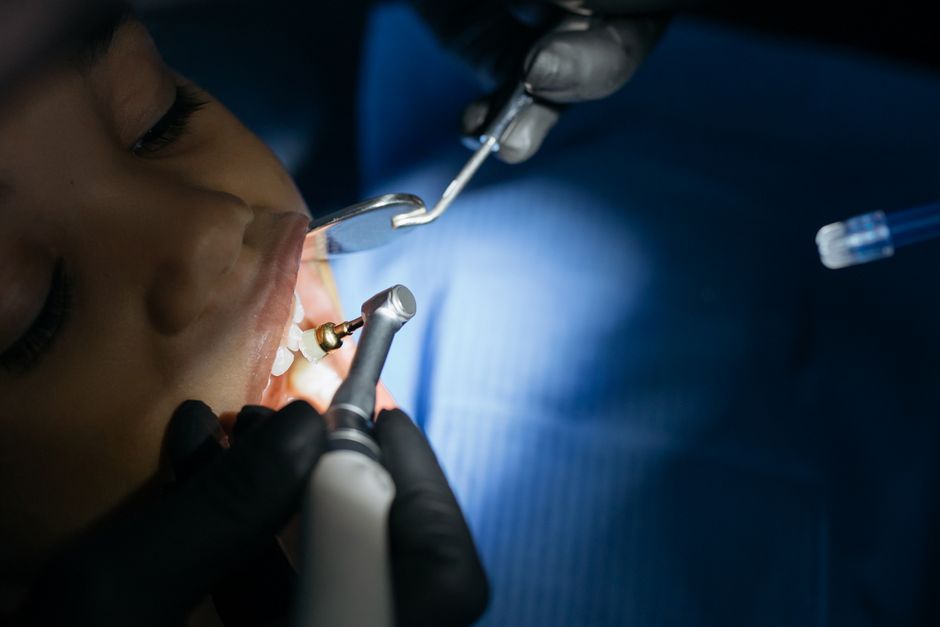
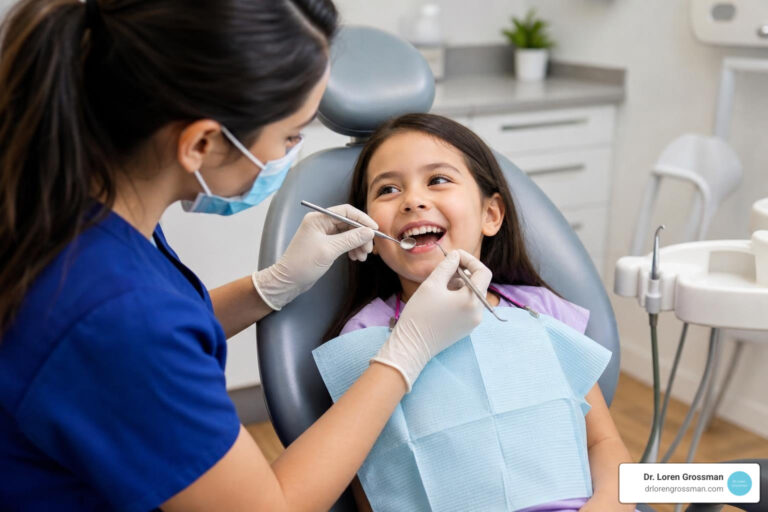
For children under age 21, dental coverage is mandatory in every state under the Early and Periodic Screening, Diagnostic, and Treatment (EPSDT) benefit. This benefit requires states to provide all medically necessary dental care, including checkups, cleanings, X-rays, fillings, and even orthodontics if they are deemed medically necessary. This is a core part of being a family dentist providing lifelong oral health.
For adults, however, dental coverage is optional for states. In Pennsylvania, adult Medicaid (Medical Assistance) does cover many essential services, but the list is more limited than it is for children. Common covered services for adults in PA include:
- Routine exams and cleanings (usually once or twice a year).
- X-rays.
- Extractions (pulling teeth).
- Palliative care (emergency pain relief).
- Dentures (with specific limits and prior authorizations).
Special Considerations for Pregnant Women and Foster Care
If you are pregnant or in the foster care system, your benefits often expand. Many states recognize that oral health is directly linked to birth outcomes. For example, some Medicaid plans offer enhanced dental benefits during pregnancy and for up to 60 days postpartum.
If you are looking for specific networks like Delta Dental in your neighborhood, be sure to mention your pregnancy status, as this may open up additional coverage options or “value-added” benefits through your MCO.
For “dual-eligible” individuals (those who have both Medicare and Medicaid), the situation is even better in 2026. Approximately 97% of Medicare Advantage plans offer some form of dental coverage. Dual-Eligible Special Needs Plans (D-SNPs) often combine these benefits, providing a much wider network of dentists than Medicaid alone.
Alternative Options: FQHCs, Dental Schools, and Community Clinics
If you’ve spent hours on how to find a dentist that accepts medicaid and keep hitting dead ends, don’t lose hope. There are “safety net” providers designed for this exact situation.
Federally Qualified Health Centers (FQHCs): These are community clinics that receive federal funding to provide care in underserved areas. They are required to accept Medicaid and Medicare. They also offer a “sliding fee scale” based on your income if you have services that aren’t fully covered. You can find these using the HRSA locator tool.
Dental Schools: If you live near a university with a dental program, you can receive high-quality care at a fraction of the cost. Students perform the work under the strict supervision of licensed faculty dentists. While appointments take longer, they are often much more willing to accept various Medicaid plans.
Community Clinics and Nonprofits: Many local organizations run clinics specifically for low-income residents. While they may have long wait times, they are excellent resources for emergency care. Understanding how to navigate networks like Delta Dental Premier can also help you find providers who might offer discounted rates even if they don’t participate in your specific Medicaid plan.
Overcoming Common Challenges in Your Search
Let’s be honest: the search can be tough. The most common challenges include:
- Long Wait Times: Many Medicaid-accepting offices book 6 to 12 months in advance for routine cleanings.
- Limited Networks: In rural areas, the nearest participating dentist might be 30 or 50 miles away.
- Transportation: If you don’t have a car, getting to a specialist can be nearly impossible.
To overcome these, we recommend looking for a trusted local dentist in Northeastern Pennsylvania who can help coordinate your care. If you live in a rural area, ask your Medicaid MCO about transportation assistance. Most Medicaid plans are required to provide non-emergency medical transportation (NEMT) to get you to and from your appointments at no cost to you.
Questions to Ask When Learning How to Find a Dentist That Accepts Medicaid
When you finally get a dental office on the phone, don’t just ask “Do you take Medicaid?” That question is too broad. Instead, use this checklist of specific questions:
- “Are you currently accepting new patients with [Insert your specific plan name, e.g., UnitedHealthcare Community Plan]?”
- “Do you treat [adults/children/patients with special needs]?”
- “What is the average wait time for a routine cleaning versus an emergency visit?”
- “Do you offer teledentistry for initial consultations or emergencies?”
- “Do you have staff who speak [your preferred language] or access to interpretation services?”
By being specific, you avoid the frustration of showing up to an appointment only to find out your specific “flavor” of Medicaid isn’t accepted. We always recommend checking our full list of professional dental services to see what kind of care you might need before you call.
Frequently Asked Questions about Medicaid Dentists
What is the difference between Medicaid dental coverage for children and adults?
As mentioned, children (under 21) have a federal guarantee of “comprehensive” care through EPSDT. This includes everything from cleanings to fillings and even medically necessary braces. For adults, coverage is determined by the state. Some states provide “comprehensive” care, while others provide “emergency only” or “limited” care. In Pennsylvania, adults have access to basic restorative work and dentures, but it is not as broad as the pediatric benefit.
How do I know if a dentist is currently accepting new Medicaid patients?
The only way to be 100% sure is to call the office directly. Online directories are often outdated by 3 to 6 months. When you call, have your ID card ready and ask specifically about your plan. If an office says they are full, ask if they have a “cancellation list” you can join to get in sooner.
What should I do if there are no Medicaid dentists in my rural area?
First, contact your Medicaid MCO and tell them there are no “in-network” providers within a reasonable distance (usually 30 miles or 30 minutes). This is called a Network Adequacy issue. The insurance company may be required to authorize a visit to an out-of-network dentist or provide transportation to a further location. You can also look into teledentistry for initial screenings.
Conclusion
Your oral health is a vital part of your overall well-being. While the process of how to find a dentist that accepts medicaid can be a bit of a hurdle, the benefits of regular care—from boosting your confidence to preventing painful infections—are worth the effort.
At the office of Dr. Loren Grossman, we believe everyone deserves a smile they can be proud of. Whether you are looking for pediatric dentistry services for your children or general care for yourself, we are here to help you navigate the complexities of dental health in Northeastern Pennsylvania. Don’t let a complicated system stand in the way of your health. Use the tools in this guide, make those calls, and take the first step toward a healthier smile today.