When a Dental Emergency Strikes in Kingston, PA: What to Do First
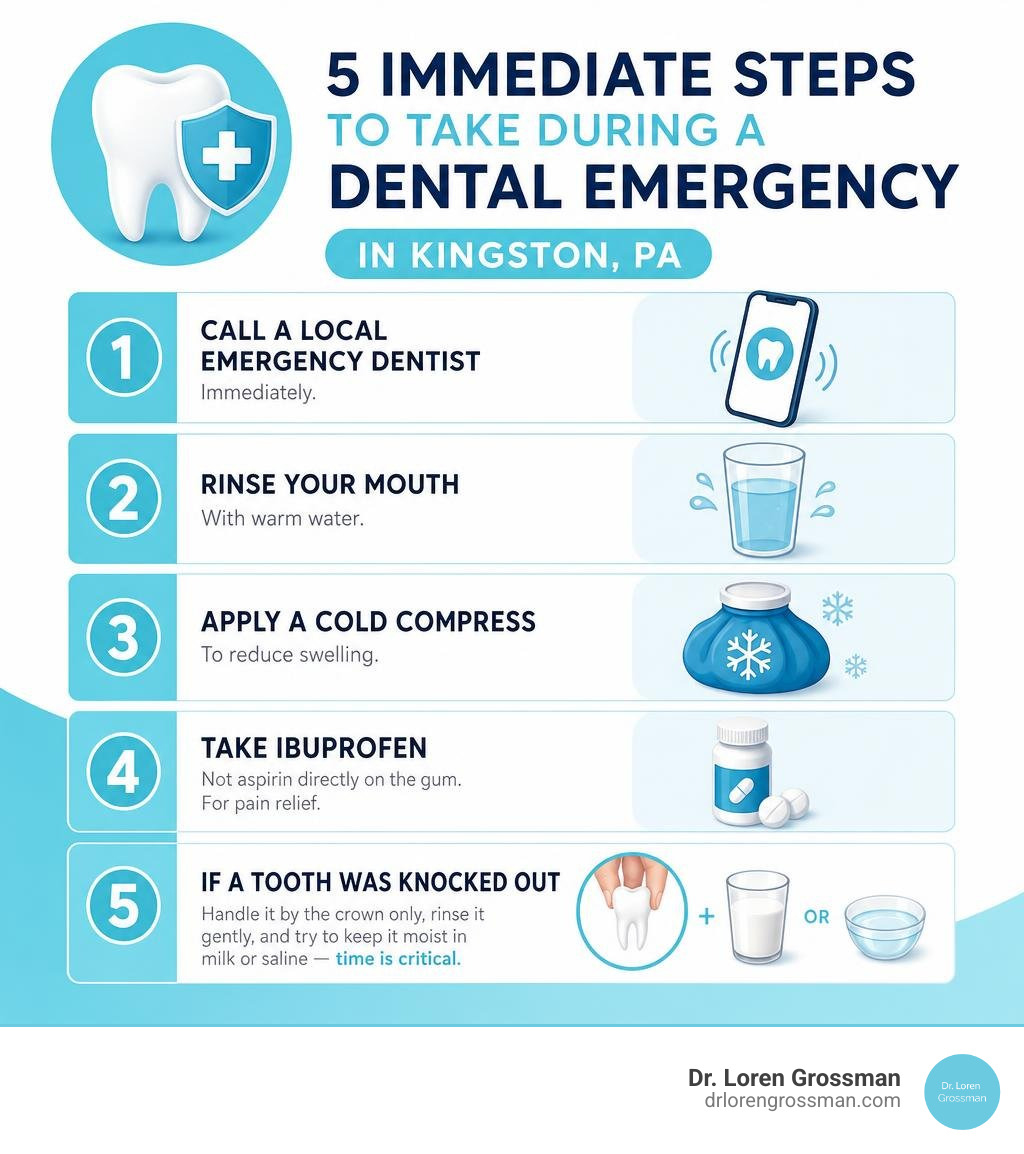
If you need an emergency dentist in Kingston, PA, here is what to do right now:
- Call a local emergency dentist immediately — same-day appointments are often available.
- Rinse your mouth with warm water.
- Apply a cold compress to reduce swelling.
- Take ibuprofen (not aspirin directly on the gum) for pain relief.
- If a tooth was knocked out, handle it by the crown only, rinse it gently, and try to keep it moist in milk or saline — time is critical.
Important: For most dental emergencies, a dentist — not an emergency room — is your best first call. ER doctors can manage bleeding and pain temporarily, but they cannot repair teeth or treat the underlying dental problem.
Dental emergencies rarely happen at a convenient time. A cracked tooth at dinner. A throbbing abscess on a Saturday morning. Sudden, intense pain that makes it impossible to focus on anything else. Over 1 million dental emergencies happen every year in the U.S., and the worst thing you can do is wait — patients who delay treatment are three times more likely to need more invasive procedures like root canals or extractions.
Whether you are dealing with a knocked-out tooth, a severe toothache, or a broken crown, knowing where to turn — and what to do in the first few minutes — can mean the difference between saving and losing a tooth.
I’m Dr. Loren Grossman, D.M.D., and I’ve been providing emergency dental care to patients across the Wyoming Valley as a trusted emergency dentist in Kingston, PA since 1984 — handling everything from urgent extractions to same-day restorations, all in one practice. This guide walks you through exactly what to do when a dental crisis hits.
What Qualifies as a Dental Emergency?
Not every dental quirk or minor ache requires a midnight dash to the clinic. However, knowing the difference between a situation that can wait a few days and one that requires immediate, same-day intervention is crucial for protecting your oral health.
Broadly speaking, a dental emergency is any situation involving severe pain, continuous bleeding, or acute trauma to the teeth, gums, or jaw that requires prompt professional attention to alleviate pain, save a tooth, or stop a spreading infection.
When you experience a sudden injury or severe pain, it can be hard to think clearly. We always recommend that patients bookmark our guide on Emergency Dental Services in Kingston PA: What to Do in a Dental Crisis so they have a reliable, step-by-step checklist ready at a moment’s notice.
The most common occurrences that qualify as true emergencies include:
- Knocked-Out (Avulsed) Teeth: If a permanent tooth is completely knocked out, the clock is ticking. There is a critical two-hour window to successfully re-implant the tooth.
- Severe Toothaches and Abscesses: Pain that keeps you awake at night or is accompanied by swelling in your cheek, gums, or lymph nodes often points to an infection that needs immediate attention.
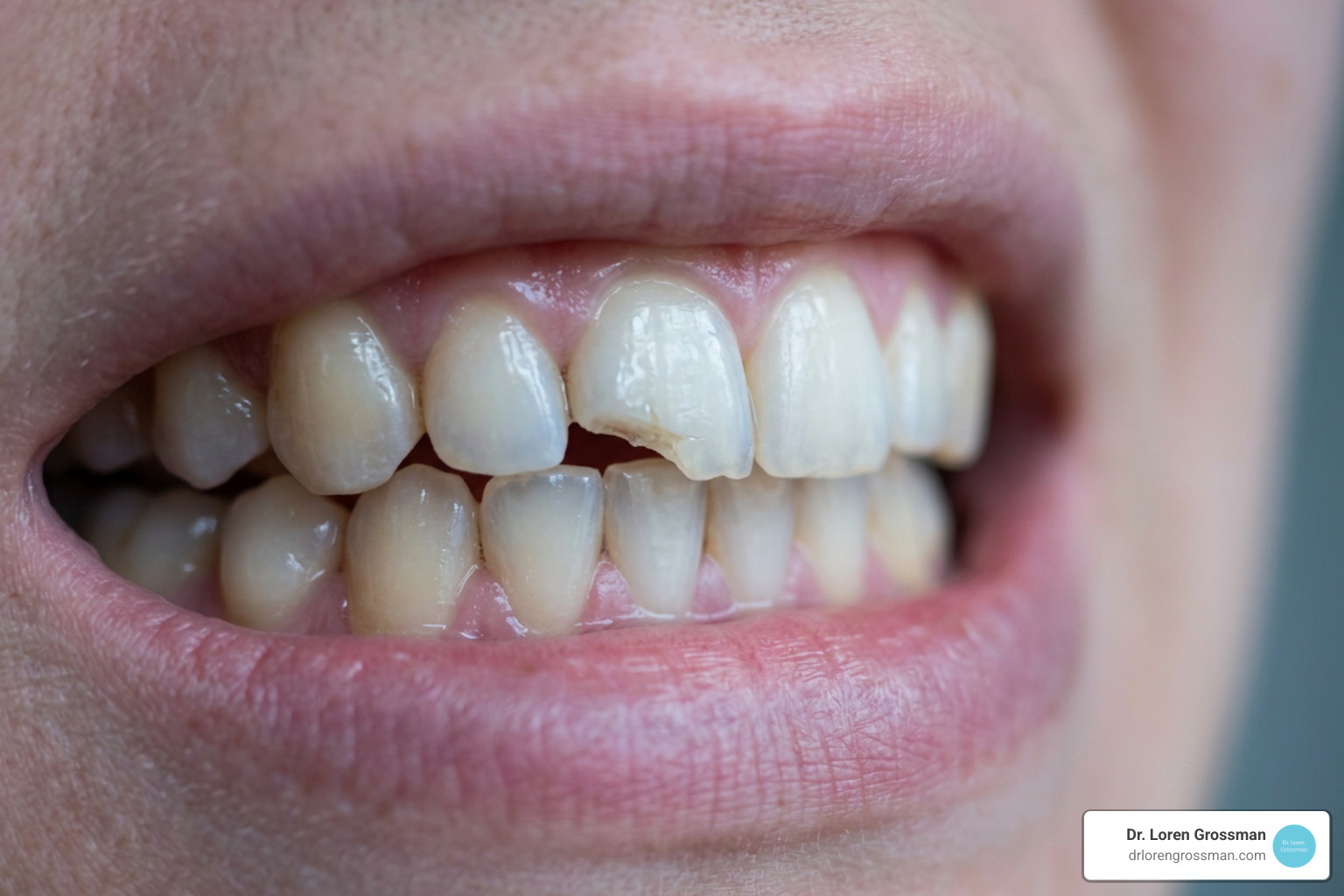
- Fractured, Cracked, or Heavily Chipped Teeth: While a minor chip can wait, a deep fracture that exposes the inner pulp of the tooth is highly painful and vulnerable to infection.
- Soft Tissue Trauma: Deep cuts, punctures, or tears to your tongue, cheeks, or gums that won’t stop bleeding after applying pressure for 15 to 20 minutes.
When to Call an Emergency Dentist in Kingston PA
If you are experiencing any of the following urgent symptoms, do not wait for your next routine cleaning. Pick up the phone and contact an emergency dentist in Kingston, PA right away:
- Uncontrollable or Persistent Bleeding: Especially after an injury or an extraction.
- Rapidly Spreading Swelling: Swelling in your face, jaw, or neck can indicate a severe infection that may eventually compromise your airway.
- Fever and Chills alongside Dental Pain: These are systemic signs that an infection is spreading beyond your tooth and into your bloodstream.
- Extreme, Debilitating Pain: Pain that is unresponsive to over-the-counter pain relievers like ibuprofen or acetaminophen.
For a deeper dive into these urgent scenarios, review our breakdown of the Top 5 Common Dental Emergencies to help you identify when immediate action is non-negotiable.
Non-Urgent Dental Issues vs. True Emergencies
We completely understand that a broken filling or a loose crown feels like a massive crisis — especially if it happens right before a big job interview or a family wedding. However, in the medical world, some issues are categorized as “urgent but non-emergent.” This means they require prompt care (usually within 24 to 48 hours) but do not require you to call an after-hours emergency line at 3:00 AM.
- Lost Fillings or Crowns: While uncomfortable and visually distracting, a lost restoration is rarely a medical emergency unless it is accompanied by excruciating pain. You can temporarily protect the area with over-the-counter dental cement or sugar-free gum until you can get into our office.
- Minor Chips or Hairline Cracks: If there is no pain, bleeding, or sensitivity to hot and cold, the tooth’s nerve is likely undamaged. We can easily restore your smile during normal business hours. For a complete list of restoration paths, check out our guide on Chipped Tooth SOS and Repair Options.
- Dull, Intermittent Aches: A mild toothache that comes and goes when you chew or drink something cold is certainly a sign of decay or a minor crack, but it generally does not require emergency scheduling. Call us to book the next available standard appointment.
How to Choose the Right Emergency Dentist in Kingston PA
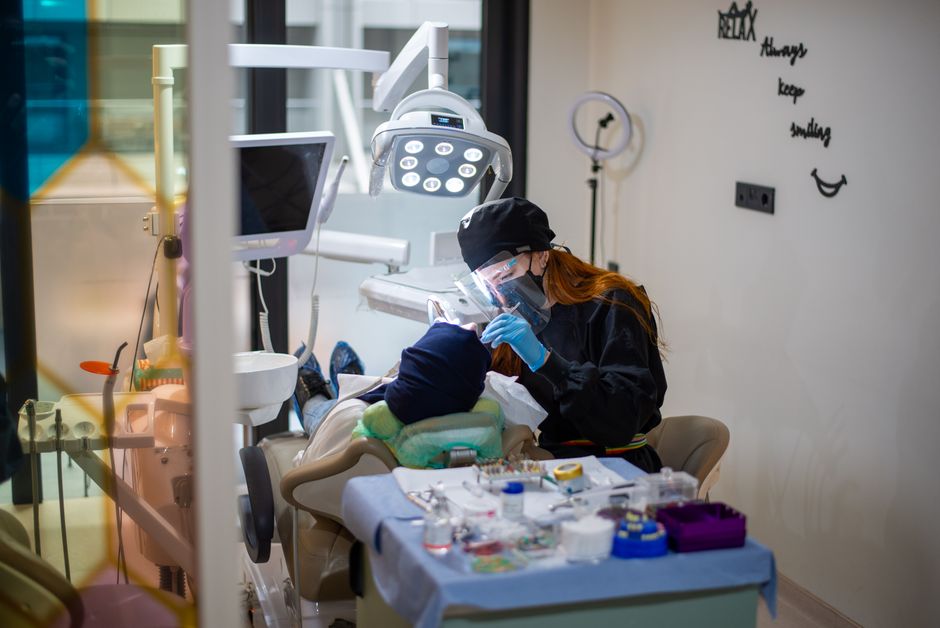
When pain strikes, you don’t want to spend hours scrolling through search engines trying to find a trustworthy provider. You need a team that combines decades of experience, state-of-the-art diagnostic tools, and a genuinely compassionate approach to patient care.
Choosing a local, established practice ensures that you aren’t just getting a quick fix from a random clinic; you are receiving care from professionals who understand your dental history and are committed to your long-term wellness. If you want to know what sets a premier local practice apart, read about what makes A Dentist in Kingston PA: The Best Dental Care so you can make an informed decision for your family.
When evaluating your options, look for a clinic that offers:
- Same-Day Emergency Appointments: A practice that leaves open slots in their daily schedule specifically to accommodate patients in pain.
- Advanced In-House Technology: Digital X-rays, 3D imaging, and modern restorative tools allow for fast, highly accurate diagnoses without unnecessary delays.
- Comprehensive Care: From emergency root canals and extractions to cosmetic touch-ups, having a full-service provider means you won’t have to be referred out to multiple specialists while you are in pain.
What to Expect at an Emergency Dentist in Kingston PA
Walking into a dental office when you are already in pain can be incredibly stressful. Knowing what to expect can help ease your anxiety.
When you arrive at our office for an emergency visit, our primary goals are to diagnose the root cause of your discomfort, alleviate your pain, and stabilize your condition. Here is how that process typically unfolds:
- Immediate Triage: Our clinical team will quickly assess your symptoms and vital signs to determine the urgency of your situation.
- Diagnostic Imaging: We will take targeted digital X-rays to see what is happening beneath the surface of your teeth and gums. This helps us identify hidden fractures, deep decay, or infections at the root tip.
- Pain Management: Before we begin any restorative treatment, we will focus on making you comfortable. This may involve local anesthetics, prescription pain management, or discussing sedation options if you suffer from dental anxiety.
- Clear Treatment Plan: We will explain our findings in simple, straightforward language, outlining your options (such as a filling, root canal, or extraction) and the associated costs so you can make an informed decision.
For more details on navigating a sudden dental visit, take a look at our resource on Urgent Dental Care for People Who Can’t Wait.
Insurance, Payment Plans, and Financing Options
We believe that financial worry should never stand between you and emergency healthcare. Dental emergencies are entirely unplanned, and we work hard to make the billing process as stress-free as possible.
Our practice accepts a wide variety of PPO insurance plans. Before your treatment begins, our administrative team will contact your provider to get a clear breakdown of your coverage, helping you maximize your benefits and minimize your out-of-pocket expenses.
If you do not have dental insurance, please do not let that prevent you from seeking care. Delaying treatment only leads to more complex, expensive procedures down the road. We offer several flexible payment options and in-house savings arrangements to help fit your care into your budget.
To explore nearby network providers or verify your coverage details in the area, you can also consult the Best Dentists Near Me in Kingston, Pennsylvania | Delta Dental directory.
Common Dental Emergencies and Immediate First Aid
When a tooth is damaged or knocked out, what you do in the first thirty minutes can determine whether the tooth can be saved. The table below outlines the most common dental emergencies and the immediate first-aid steps you should take before you arrive at our office.
| Dental Emergency | Immediate First-Aid Action | What Not to Do |
|---|---|---|
| Knocked-Out Tooth | Handle only by the crown. Rinse gently with water. Keep moist in milk, saline, or saliva. Seek care within 2 hours. | Do not scrub the tooth or touch the root surface. Do not let it dry out. |
| Severe Toothache / Abscess | Rinse with warm salt water. Apply a cold compress to the cheek. Take ibuprofen. | Do not place aspirin directly against the gums or aching tooth (it can burn the tissue). |
| Chipped or Broken Tooth | Save any broken fragments. Rinse mouth with warm water. Apply cold compress for swelling. | Do not attempt to file down sharp edges or use superglue to fix it yourself. |
| Lost Crown or Filling | Clean the area. Apply over-the-counter dental cement or sugar-free gum to protect the exposed tooth. | Do not leave the sensitive inner layers of the tooth exposed to hot, cold, or food particles for long. |
If you want to read more about saving a damaged tooth, check out our guide on How to Save Your Smile When a Tooth Goes Rogue.
Handling a Knocked-Out or Loose Tooth
A knocked-out permanent tooth is one of the most time-sensitive emergencies in all of dentistry. If we can treat you within one to two hours of the injury, there is a very high probability that the tooth can successfully re-integrate into your jawbone.
Here is your emergency checklist:
- Find the tooth immediately.
- Pick it up by the chewing surface (the crown). Never touch the sensitive root, as this can damage the delicate periodontal fibers needed for reattachment.
- Rinse it gently. Use cool water or milk if it is dirty. Do not use soap, chemicals, or scrub the tooth.
- Keep it moist. The absolute best place for the tooth is back in its socket. If you can, gently insert it back into the gap and bite down softly on a piece of gauze. If that isn’t possible, place the tooth in a small container of cold milk, saline solution, or even inside your cheek (being careful not to swallow it). Do not store it in plain tap water, as this can cause the root cells to burst.
- Get to our office immediately.
Managing Severe Toothaches and Abscesses
A dental abscess is a localized pocket of pus caused by a bacterial infection. It can occur at the very tip of the tooth root (periapical) or in the gums alongside the root (periodontal). Abscesses are incredibly painful and will not go away on their own. Left untreated, the infection can spread to other parts of your face, neck, or body, creating a life-threatening medical crisis.
If you suspect you have an abscess or are dealing with a severe, throbbing toothache, follow these steps while you wait for your appointment:
- Rinse with warm salt water: Mix half a teaspoon of salt into eight ounces of warm water. Rinse gently and spit. This helps draw out fluid, soothe irritated tissues, and reduce bacteria.
- Apply a cold compress: Place an ice pack wrapped in a towel against your cheek for 15 minutes on, 15 minutes off. This will help numb the area and keep swelling down.
- Avoid trigger foods: Do not eat or drink anything extremely hot, cold, sweet, or acidic, as this can trigger intense waves of pain.
For immediate, practical advice on handling these painful infections, read our post on Emergency Dentist in Kingston PA: What to Do When You Need Immediate Care.
Preventing Dental Crises and Protecting Your Smile
While we are always here to help you when things go wrong, our ultimate goal is to help you avoid dental emergencies entirely. Approximately 22% of adults in the U.S. have untreated dental caries (cavities), which significantly increases the likelihood of a sudden, agonizing toothache. By being proactive, you can protect your smile from painful and costly surprises.
To keep your teeth safe and healthy:
- Maintain Rigorous Oral Hygiene: Brush twice a day with fluoride toothpaste and floss daily to remove plaque before it hardens into tartar.
- Schedule Routine Checkups: Visiting us every six months allows our team to detect tiny weak spots, micro-cracks, or early decay long before they develop into a painful emergency.
- Wear a Custom Mouthguard: If you or your children play contact sports — or if you grind your teeth at night — a custom-fitted mouthguard is your best defense against broken or knocked-out teeth.
- Avoid Using Your Teeth as Tools: Never use your teeth to open plastic packaging, crack nuts, chew ice, or tear off clothing tags. Keep scissors and bottle openers handy instead!
For a comprehensive list of preventative strategies, read our expert Tips from an Emergency Dentist on How to Prevent Dental Emergencies.
Frequently Asked Questions About Emergency Dental Care
What should I do if I have a dental emergency after hours?
If you experience a severe dental emergency outside of our regular office hours, please call our main office line. Our voicemail system will provide clear instructions on how to reach our on-call dentist or leave an urgent message.
If you are dealing with uncontrollable bleeding, severe facial swelling that makes it difficult to breathe or swallow, or a suspected broken jaw, please go directly to the nearest hospital emergency room. For non-life-threatening dental issues, visiting our Kingston Dental Practice is always preferred, as ER physicians are not trained to repair teeth or perform root canals.
How quickly can I get an appointment for a dental emergency?
We understand that when you are in pain, every minute feels like an eternity. We make every effort to offer same-day emergency dental appointments to patients in distress. When you call, our dental team will triage your situation over the phone to understand the severity of your symptoms and prepare our treatment room for your arrival.
What should I bring to my emergency dental visit?
To make your emergency visit go as smoothly as possible, please bring:
- A valid photo ID.
- Your dental insurance card (if applicable).
- A list of any medications you are currently taking, along with any medical conditions we should be aware of.
- Any tooth fragments, lost crowns, or knocked-out teeth you managed to save (stored safely in milk or saline).
Conclusion
When a dental crisis strikes, you don’t have to suffer through the pain. At the practice of Dr. Loren Grossman, we provide top-tier cosmetic, general, and emergency dentistry in Northeastern Pennsylvania. We offer personalized care, advanced technology, and a patient-focused approach to deliver exceptional smile transformations, relieve pain, and boost your confidence.
If you are currently experiencing a dental emergency, do not wait for the pain to get worse. Read more about our Emergency Dental Services in Northeastern Pennsylvania: Quick Care with Dr. Grossman or contact us directly to Schedule an Emergency Appointment today. Let us help you get your smile back on track!