Why Safe Teeth Whitening Matters for Your Dental Health
Safe teeth whitening means choosing methods that brighten your smile without damaging your enamel, irritating your gums, or harming your overall oral health. Nearly 90% of patients request tooth whitening, but not all methods are created equal.
The safest teeth whitening options include:
- Professional in-office whitening – Supervised by a dentist with gum protection and professional-strength agents
- Custom-fitted take-home trays – Prescribed by your dentist with professional-grade gel that fits precisely to minimize gum contact
- ADA-Accepted over-the-counter products – Whitening toothpastes, strips, and rinses that meet safety standards
- Whitening toothpastes and mouthwashes – Lowest risk options with minimal bleaching agents for surface stain removal
Avoid: Unsupervised use of high-concentration products, DIY remedies like charcoal or vinegar, and products without professional guidance.
Nobody wants to flash a set of pearly yellows when they smile. As you age, it’s natural for your once-gleaming grin to begin looking a little bit dingy as years of eating and drinking leave a mark. Coffee, tea, red wine, and smoking are common culprits that stain tooth enamel. But teeth can also darken due to aging itself, as enamel thins and reveals more of the yellower dentin underneath.
The good news? Safe teeth whitening can reverse these effects when done correctly. The key is understanding the difference between methods that work safely versus those that can damage your teeth.
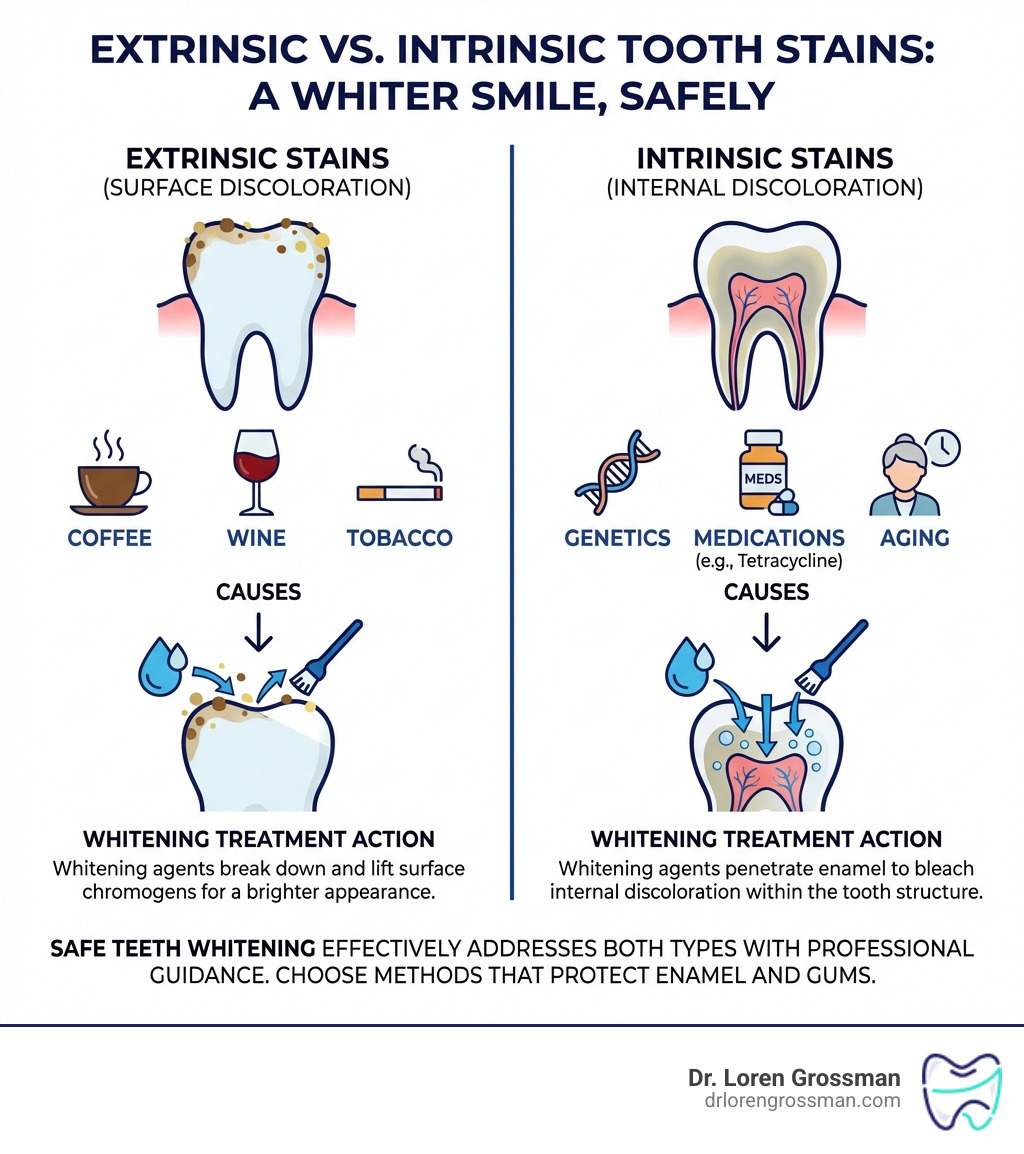
Tooth discoloration falls into two main categories. Extrinsic stains sit on the enamel surface and come from food, drinks, and tobacco. Intrinsic stains occur inside the tooth structure, caused by factors like genetics, certain medications during childhood (like tetracycline), or fluorosis. Each type responds differently to whitening treatments, which is why professional guidance matters.
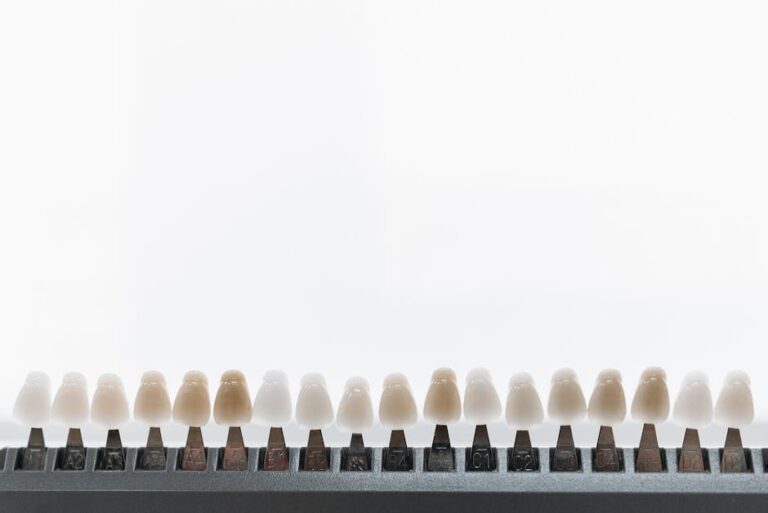
When whitening products use bleaching agents like hydrogen peroxide or carbamide peroxide, they work by releasing reactive oxygen molecules. These molecules break down the colored compounds (chromogens) trapped in your enamel and dentin, making stains less concentrated and your teeth appear brighter. But without proper supervision or application, these same agents can cause tooth sensitivity, gum irritation, or even enamel damage.
I’m Dr. Loren Grossman, and I’ve been helping patients in the Wyoming Valley achieve brighter, healthier smiles since 1984. With over three decades of experience in cosmetic dentistry—including expertise with professional whitening systems and smile makeovers—I’ve seen how safe teeth whitening transforms not just smiles, but confidence, when done with the right approach and professional care.
The Potential Risks of Unsupervised Teeth Whitening
While the allure of a brighter smile is strong, it’s crucial to understand that not all teeth whitening methods are created equal in terms of safety. The common causes of damage from teeth whitening often stem from overuse, incorrect application, or using products that are too harsh or unregulated. Our goal is always to achieve a dazzling smile while preserving your dental health.
One of the most frequently encountered issues is temporary tooth sensitivity. As Dr. Clemons clarifies, “It’s very common to experience temporary sensitivity in your teeth or irritation to the gums after you start using a whitening product.” This sensitivity can occur when the bleaching agents, primarily hydrogen peroxide or carbamide peroxide, penetrate the enamel and reach the underlying dentin and pulp. While typically transient, this discomfort can range from mild to significant. If the bleaching gel comes into contact with your gums, it can also lead to temporary gum irritation, manifesting as redness or soreness.
Beyond temporary discomfort, more serious concerns arise with aggressive or unsupervised whitening practices. Laboratory research has pointed to the possibility of tooth erosion and changes in tooth microstructure through aggressive bleaching. While these studies are often conducted in vitro (not on living teeth), they highlight the potential for harm, especially when products are used incorrectly or in excessive concentrations. We want to ensure that your pursuit of a brighter smile doesn’t inadvertently compromise the strength and integrity of your enamel.
Another critical consideration is the impact of whitening agents on existing dental restorations. Studies suggest that whiteners may chemically react to ceramic crowns, sealants, and other restorations like composite fillings. These materials do not whiten like natural tooth structure, which can lead to an uneven smile where your natural teeth are brighter than your dental work. Furthermore, some research indicates that peroxide may accelerate the leaching of mercury from dental amalgam, though the resulting concentrations are generally considered to be below levels associated with health concerns. Nevertheless, it’s another reason why a professional assessment of your oral health, including any existing restorations, is vital before starting on a whitening journey.
The market is flooded with various over-the-counter (OTC) whitening solutions, and while many are safe when used as directed, the lack of professional oversight can lead to misuse. Applying strips incorrectly, leaving gels on for too long, or using ill-fitting trays can increase the risk of gum irritation and uneven whitening. Even seemingly innocuous ingredients can pose a threat; some whitening toothpastes, for example, contain hydrated silica, which can be overly abrasive and potentially damage tooth enamel and gum tissue over time.
We strongly caution against DIY home remedies for teeth whitening, such as using baking soda, apple cider vinegar, activated charcoal, or hydrogen peroxide straight from the medicine cabinet. These methods often lack scientific evidence for effectiveness and can be abrasive, acidic, or too concentrated, leading to irreversible damage to your enamel, increased sensitivity, and gum recession. Our priority is always your long-term oral health, and these unregulated approaches carry significant and unnecessary risks.
A Guide to the Best Options for Safe Teeth Whitening
Choosing the right method for safe teeth whitening is paramount to achieving a brighter smile without compromising your oral health. The effectiveness and safety of various options largely depend on the active ingredients used, their concentration, and the application method.
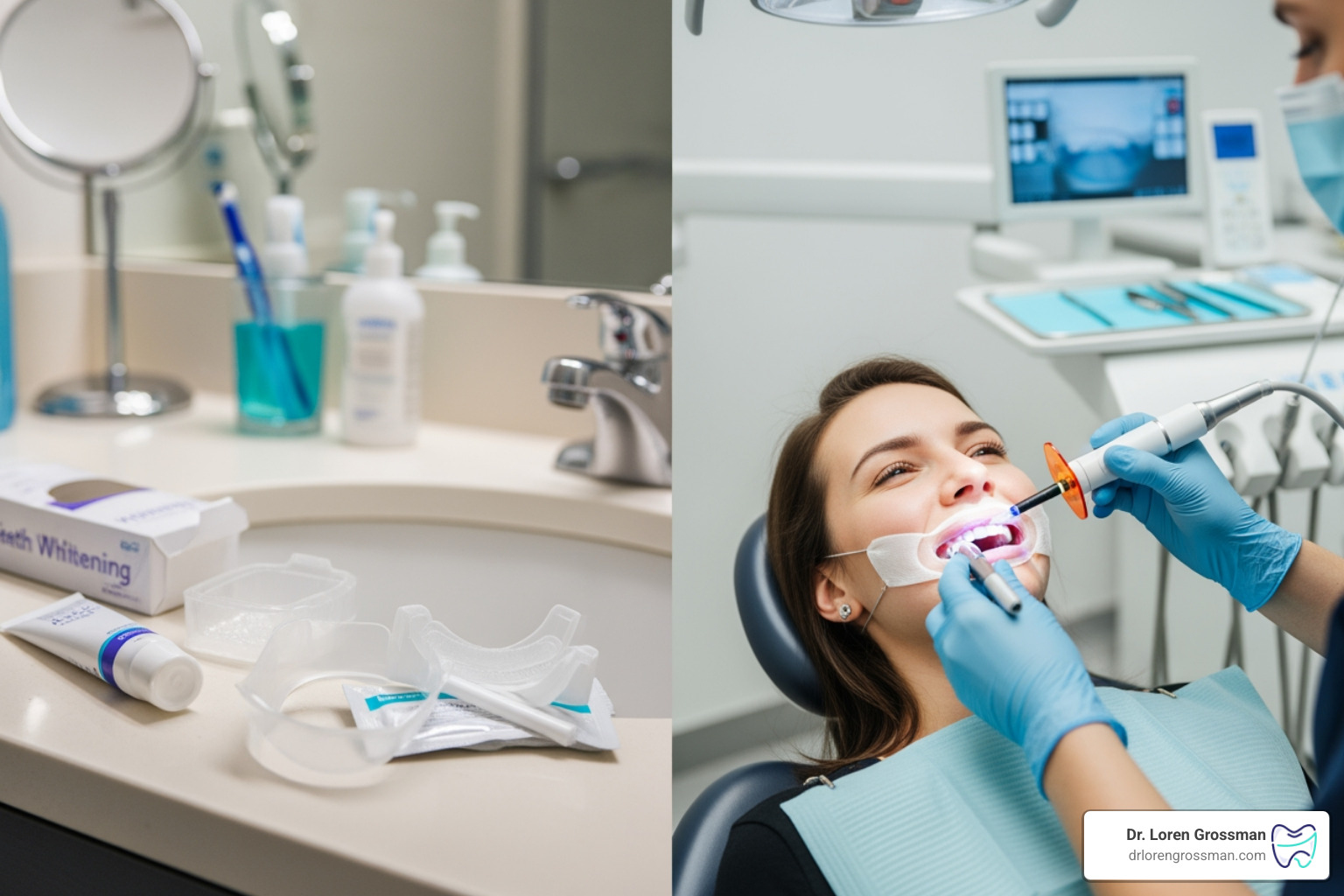
The primary whitening agents used in almost all effective teeth whitening products are hydrogen peroxide and carbamide peroxide. These powerful oxidizers work by breaking down the chromogens—the colored compounds responsible for stains—within the enamel and dentin. Carbamide peroxide is a more stable compound that breaks down into hydrogen peroxide and urea when it comes into contact with water. This slower release makes it a popular choice for at-home kits, as it provides a gentler, more sustained whitening action. Hydrogen peroxide acts more quickly and is typically found in higher concentrations in professional in-office treatments.
To help you steer the options, here’s a comparison of common teeth whitening methods:
| Whitening Method | Safety | Speed | Effectiveness |
|---|---|---|---|
| In-Office Professional | Highest, supervised by dentist, protective gels/barriers used. | Fastest (often 1 visit). | Most dramatic, up to several shades lighter. Professional-strength agents (e.g., 25-40% hydrogen peroxide). |
| Professional Take-Home | High, custom-fitted trays minimize gum contact, dentist provides professional-grade gel and instructions. | Moderate (days to weeks). | Significant, noticeable results. Dentist-prescribed gels (e.g., 10-22% carbamide peroxide, 3-7.5% hydrogen peroxide). |
| OTC At-Home (Strips/Gels) | Moderate, lower concentrations, risk of gum irritation if ill-fitting or misused. Look for ADA Seal. | Slower (weeks). | Mild to moderate, typically 1-2 shades lighter. Lower concentrations (e.g., 10-35% carbamide peroxide, 3-10% hydrogen peroxide). |
| Whitening Toothpaste | Very High, primarily abrasive action, minimal chemical whitening. Look for ADA Seal. | Slowest (months). | Mild, primarily surface stain removal. |
| Whitening Mouthwash | Very High, very low concentrations, minimal chemical whitening. | Very Slow (months). | Mild, primarily surface stain removal and fresh breath. |
At-Home Options for Safe Teeth Whitening
For those seeking to brighten their smile from the comfort of their home, there are several options available, each with varying levels of efficacy and safety.
Whitening toothpastes and whitening mouthwashes are often the first line of defense against discoloration. These products work primarily by removing extrinsic, or surface, stains through mild abrasives or very low concentrations of whitening agents. Whitening toothpastes, like the “Made by Dentists Professional Sensitive + Whitening Toothpaste,” contain small polishing compounds to scrub away stains. Similarly, whitening mouthwashes contain low-strength whitening agents that work gradually. Their limitations lie in their inability to penetrate deep into the tooth structure to address intrinsic stains or achieve dramatic shade changes. They are best for maintaining a bright smile and addressing minor surface discoloration.
Over-the-counter strips and whitening gels offer a more noticeable improvement than toothpastes or mouthwashes. Products like “Lumineux Teeth Whitening Strips” or “Colgate Optic White Overnight Teeth Whitening Pen” use peroxide-based gels (or peroxide-free alternatives) applied directly to the teeth. These typically lighten teeth within two weeks. While generally safe, incorrect application or prolonged use can lead to gum irritation. It’s crucial to follow the manufacturer’s instructions carefully. For instance, Lumineux strips are described as “enamel safe for whiter teeth” and “whitening without the sensitivity,” using ingredients like Dead Sea salt, coconut oil, and lemon peel oil to target stains. When considering any at-home product, we strongly recommend that you look for the American Dental Association (ADA) Seal of Acceptance. This seal indicates that the product has been evaluated for safety and effectiveness by independent scientific experts.
Professional Whitening: The Dentist-Supervised Gold Standard
When it comes to achieving the most significant, safest, and fastest results, professional teeth whitening under the guidance of a dentist is truly the gold standard. We believe that visiting a dental office in Northeastern Pennsylvania, such as our practice in Kingston, Wilkes-Barre, Scranton, or Dallas, is the safest and best way to whiten your teeth.
Custom-fitted whitening trays provided by a dentist offer a superior at-home whitening experience compared to generic OTC options. After taking impressions of your teeth, we create trays that fit your unique dental anatomy perfectly. This custom fit is crucial because it ensures that the professional-grade whitening gel stays in contact with your teeth and minimizes leakage onto your gums, drastically reducing the risk of irritation and maximizing effectiveness. Patients use these trays at home for a prescribed period, often overnight or for a few hours a day, achieving noticeable results over several days to a few weeks. This method combines the convenience of at-home treatment with the safety and efficacy of professional oversight.
In-office whitening, often referred to as chairside bleaching, delivers the most dramatic results in the shortest amount of time. During this procedure, we apply a professional-strength whitening agent, typically a higher concentration of hydrogen peroxide (e.g., 25-40%), to your teeth. Before applying the gel, we carefully protect your gums and other soft tissues with a specialized barrier. This allows us to use stronger agents safely, under controlled conditions. Many in-office systems, like Zoom! Teeth Whitening, may also use a special light to accelerate the whitening process, though research on the added benefit of light activation is mixed, with some studies suggesting no significant improvement in whitening or sensitivity reduction compared to chemical action alone. A single 30-minute session with your dentist may be all you need for a much more radiant smile.
The key benefits of professional whitening, whether in-office or with custom take-home trays, are unparalleled safety and effectiveness. We, as dental professionals, can assess your oral health, diagnose the cause of your discoloration, and recommend the most appropriate and safe teeth whitening solution custom to your specific needs. This personalized approach minimizes risks and maximizes your chances of achieving the beautiful, bright smile you desire.
Before You Whiten: Important Considerations for Safety and Success
Before you even think about applying any whitening product, a thorough dental consultation is the most critical step. We can’t stress this enough: your dentist is your best partner in ensuring a safe and successful whitening journey. During this initial visit, we conduct a comprehensive oral health assessment to determine if you are a good candidate for teeth whitening.
Are You a Good Candidate for Whitening?
Not everyone is an ideal candidate for teeth whitening, and certain existing dental conditions can contraindicate the procedure or lead to unsatisfactory results.
First, your overall oral health must be sound. If you have untreated cavities, exposed tooth roots, or gum disease, whitening agents can cause significant pain, sensitivity, or further damage. We always ensure these issues are addressed before recommending any whitening treatment. As Dr. Clemons points out, brown or gray discoloration could signal problems that a bleaching kit won’t fix, so tackling concerns like gum disease or cavities before starting is essential.
Another crucial factor is the presence of dental restorations. Whitening agents only work on natural tooth structure. This means if you have crowns, veneers, bridges, or tooth-colored fillings, they will not change color during the whitening process. This can result in a noticeably uneven smile, where your natural teeth are gleaming white, but your restorations remain their original shade. We will discuss these implications with you and explore options to ensure a harmonious aesthetic outcome.
There are also age restrictions and specific physiological conditions to consider. The American Academy of Pediatric Dentistry (AAPD) discourages full-arch cosmetic bleaching for child and adolescent patients in the mixed dentition and primary dentition. Similarly, teeth whitening is generally not recommended for individuals under 17 years old. Furthermore, if you are pregnant or breastfeeding, we advise against teeth whitening as the effects on the developing fetus or infant are not fully understood. Lastly, any known peroxide allergies would, of course, preclude you from using most whitening products.
Why a Dentist is Your Partner in Safe Teeth Whitening
Your dentist plays an indispensable role in ensuring safe teeth whitening. We bring expertise and a personalized approach that over-the-counter solutions simply cannot match.
- Diagnosing Discoloration Cause: Your dentist probably knows your teeth better than you do, from your molars to your incisors. We can help you determine why your teeth might look a little discolored. This is important because bleaching products work best on teeth that have yellowed with age or through staining by food or drinks. For intrinsic stains, such as those caused by certain medications like tetracycline, the whitening process might be longer or require a different approach. For example, tetracycline stains can require three to four months of nightly treatment on average to diminish.
- Recommending Appropriate Treatments: Based on our diagnosis and your oral health, we can recommend the safest and most effective whitening method for you. This might involve in-office treatment, custom take-home trays, or guidance on selecting ADA-accepted over-the-counter products. We understand the varying concentrations of whitening agents (e.g., 10-35% carbamide peroxide or 3-10% hydrogen peroxide in OTC kits, much higher in professional settings) and how to apply them safely.
- Managing Side Effects: While professional whitening is safe, temporary side effects like sensitivity can occur. We can provide solutions to manage this, such as recommending desensitizing toothpastes, fluoride treatments, or adjusting the whitening protocol. We also ensure proper gum protection to prevent irritation.
- Ensuring Long-Term Safety: We monitor your progress and oral health throughout the whitening process, ensuring that your enamel and gums remain healthy. Our supervision helps prevent overuse, which can lead to enamel damage, and ensures that your results are not only bright but also sustainable. The American Dental Association (ADA) urges legislative efforts to classify intra-oral chemical whitening as the practice of dentistry, performed only by licensed dentists, underscoring the importance of professional involvement.
We act as your guide, ensuring that your journey to a brighter smile is both effective and completely safe.
Conclusion: Your Path to a Brighter, Healthier Smile
Achieving a bright, confident smile through safe teeth whitening is an attainable goal, but it’s a journey best undertaken with professional guidance. We’ve explored the common causes of tooth discoloration, the potential risks of unsupervised whitening, and the safest and most effective methods available. From gentle at-home options to powerful in-office treatments, the key to success lies in understanding your unique dental needs and partnering with a trusted dental professional.
Maintaining your dazzling results is just as important as the whitening treatment itself. Your lifestyle choices play a significant role in how long your brighter smile will last. To help preserve your whitened teeth, we recommend:
- Limiting Staining Foods and Drinks: Cut down on items known to cause discoloration, such as coffee, tea, red wine, and certain berries. If you do consume them, consider rinsing your mouth with water afterward.
- Avoiding Tobacco Products: Smoking is a major culprit for stubborn tooth stains and can quickly reverse the effects of whitening. Quitting smoking will not only benefit your smile but your overall health.
- Practicing Excellent Oral Hygiene: Regular dental cleanings are vital. Brushing twice a day with a fluoride toothpaste and flossing daily helps remove plaque and prevent new stains from forming. Using a whitening toothpaste and mouthwash can also help extend the longevity of your results.
- Regular Dental Check-ups: Visiting our dental team regularly, as often as we recommend, allows us to monitor your oral dental hygiene, address any new stains, and perform touch-up treatments if necessary. The effects of whitening are thought to last up to three years, but this varies from person to person and with proper care.
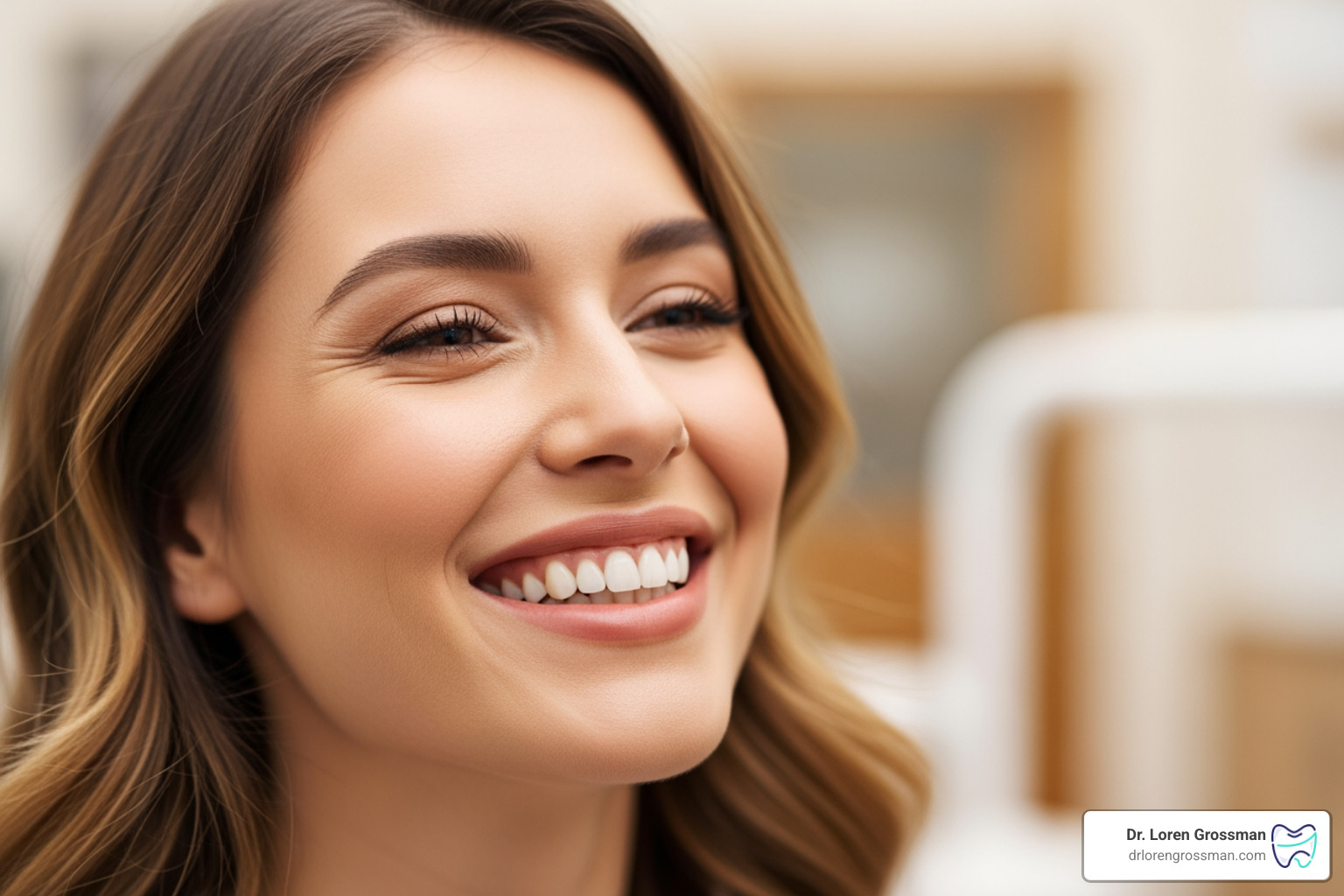
The best and safest way to whiten your teeth is under the care and supervision of a dentist. Professional oversight minimizes risks like sensitivity and gum irritation, ensures that the whitening agents are used correctly, and helps manage your expectations for realistic and satisfying results. We offer personalized care, advanced technology, and a patient-focused approach to deliver exceptional smile changes and boost confidence for all our patients in Kingston, Wilkes-Barre, Scranton, and Dallas.
If you’re ready to transform your smile and boost your confidence with safe teeth whitening, we invite you to connect with us. Our team at Dr. Loren Grossman is here to guide you through every step of the process, ensuring your comfort and satisfaction.
Visit our dental office in Kingston PA for a whitening consultation today and let us help you achieve the bright, healthy smile you deserve.