Why Baby Teeth Matter More Than Most Parents Expect
Here are the most important baby teeth care tips for parents to know right away:
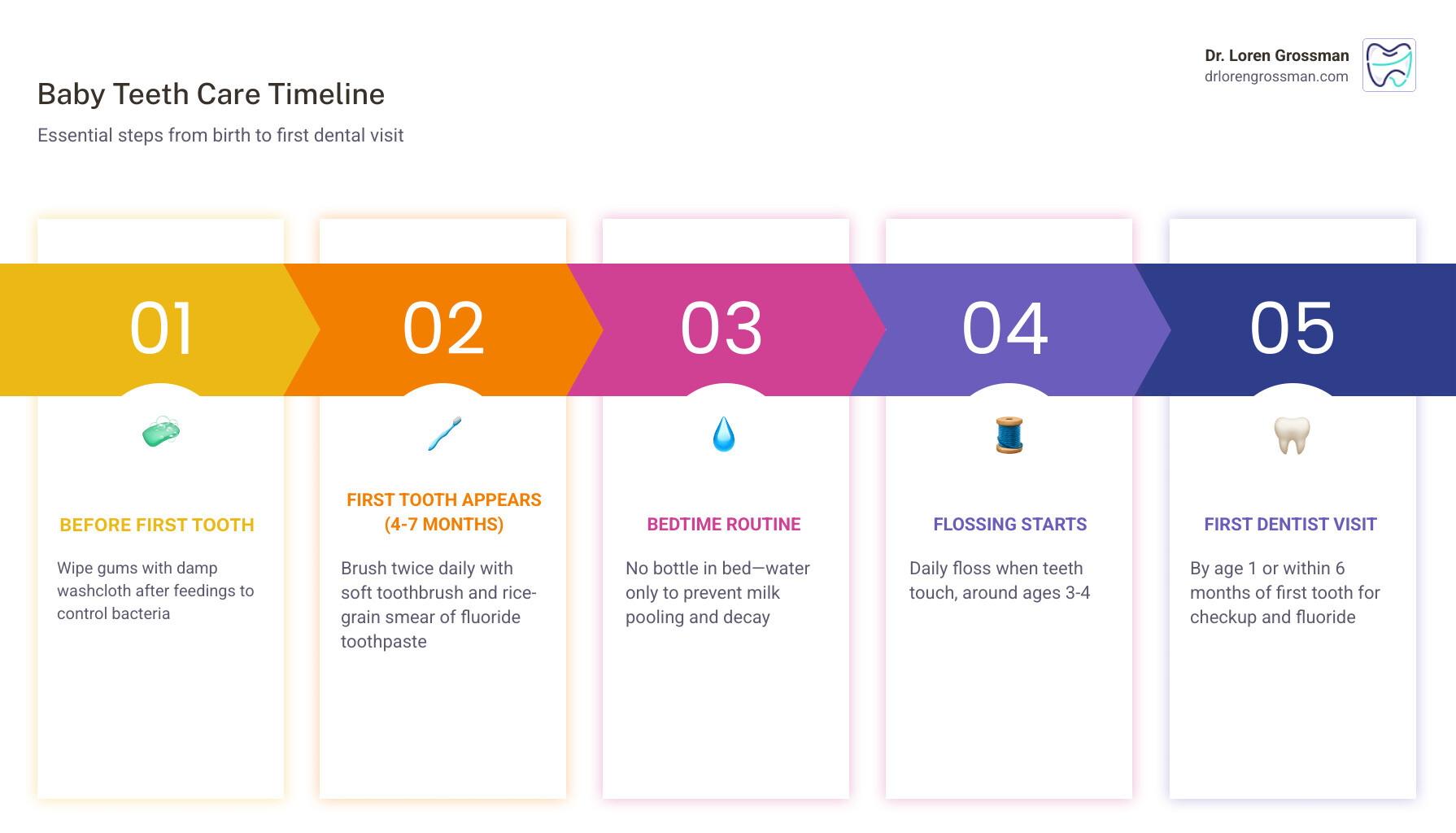
- Clean gums before teeth appear — wipe with a damp washcloth after every feeding
- Start brushing at the first tooth — use a soft infant toothbrush twice daily
- Use the right amount of fluoride toothpaste — a rice-grain smear under age 3, pea-sized from age 3 onward
- Never put baby to bed with a bottle — milk and juice pool around teeth and cause decay
- Schedule the first dental visit by age 1 — or within 6 months of the first tooth appearing
- Begin flossing when two teeth touch — usually around ages 3 to 4
- Limit juice to 4 oz per day — and always offer water after meals
It is easy to think baby teeth are temporary and therefore not that important. They fall out eventually, so why worry?
Here is the truth: baby teeth do a lot more than just fill a small smile. They help your child chew food, develop clear speech, and hold the right amount of space in the jaw so adult teeth can come in properly. Lose a baby tooth too early — from decay or infection — and the neighboring teeth can shift, leaving no room for the permanent tooth underneath.
There is also a bigger-picture concern. Tooth decay is the most common chronic health problem in children, and 23% of kids will have a cavity before their fifth birthday. The habits built in infancy and toddlerhood tend to stick — for better or worse.
The good news? Most of this is preventable with simple, consistent routines that start earlier than most parents realize.
I’m Dr. Loren Grossman, a family dentist with over 40 years of experience serving families across Northeastern Pennsylvania, and I’ve guided countless parents through practical baby teeth care tips for parents at every stage of their child’s early development. In this guide, I’ll walk you through exactly what to do — and when — so your child grows up with a healthy, confident smile.
Why Baby Teeth Matter More Than Many Parents Realize
It’s a common myth that because primary teeth (baby teeth) are destined to fall out, they don’t require the same level of care as adult teeth. In our Kingston practice, we often explain to parents that these early teeth are the foundation for a lifetime of oral health.
Baby teeth serve several critical functions. First, they are essential for speech development. Children learn to form sounds and words using their teeth as guides for the tongue. If teeth are lost prematurely due to decay, it can lead to speech delays or lisps. Second, they are vital for proper nutrition. A child with painful cavities or missing teeth will struggle to chew healthy, crunchy foods like fruits and vegetables, often reverting to soft, processed foods that lack nutrients.
Furthermore, baby teeth act as natural “placeholders.” They save the exact amount of space needed for permanent teeth to erupt later. When a baby tooth is lost too early, the surrounding teeth may tilt or drift into the empty space, leading to significant crowding and the need for extensive orthodontic work in the future.
Why baby teeth care tips for parents start before cavities do
Good oral hygiene isn’t just about preventing holes in teeth; it’s about protecting the developing enamel and the jawbone itself. Many parents don’t realize that the permanent teeth are already forming inside the jaw, right beneath the baby teeth. An infection in a baby tooth (an abscess) can actually travel down and damage the developing permanent tooth, causing spots or weakened enamel before the adult tooth even breaks the surface.
Establishing baby teeth care tips for parents early also helps manage dental anxiety. When oral care is a normal, daily part of life from birth, the child is much less likely to fear the dentist. We want their first experiences to be about “counting teeth” and “polishing smiles,” not about treating painful infections that could have been avoided.
What can happen when baby teeth are neglected
Neglect can lead to a “silent decay” that parents don’t notice until it’s quite advanced. Because baby tooth enamel is much thinner than adult enamel, cavities can travel to the nerve very quickly. This results in:
- Severe Tooth Pain: Which can interfere with a child’s ability to learn, play, and sleep.
- Infections: Which can spread to the face or neck in extreme cases.
- Eating Problems: Leading to poor weight gain or nutritional deficiencies.
- Multiple Dental Visits: Treating a toddler with multiple cavities often requires several appointments, which can be stressful for both the parent and the child.
Interestingly, research shows that dental costs are nearly 40% lower over a five-year period for children who see a dentist by age five compared to those who wait. Early prevention is truly the best investment you can make in your child’s health.
Baby Teeth Care Tips for Parents by Age and Stage
The journey to a healthy smile begins long before that first pearly white “bud” pops through the gums. Understanding the timeline of eruption and the specific care needed at each stage is the best way to stay ahead of decay.
Before the first tooth: baby teeth care tips for parents for healthy gums
Even before your baby has teeth, their mouth is home to bacteria. After every feeding—whether breast or bottle—residue remains on the gums. We recommend taking a clean, damp washcloth or a soft silicone finger brush and gently wiping the upper and lower gums.
This does two things: it clears away food particles and bacteria, and it gets your baby used to having their mouth cleaned. This simple step makes the transition to a toothbrush much easier later on.
When the first tooth appears: how to brush the right way
Most babies get their first tooth between 6 and 10 months of age, though it can happen as early as 3 months. As soon as you see that first tooth, it is time to start brushing.
Use a small, soft-bristled toothbrush designed specifically for infants. We suggest a “lap position” for brushing: sit on the floor or a chair and lay your baby’s head in your lap. This gives you the best visibility and control. Brush twice a day—once in the morning and once right before bed. Use gentle, circular motions and be sure to reach the gum line where plaque likes to hide. For more details on the basics, you can check out this guide on Looking after your baby’s teeth.
How much fluoride toothpaste to use at each age
Fluoride is like a “superhero” for teeth; it strengthens the enamel and helps “re-mineralize” areas where acid has started to wear the tooth down. However, because young children often swallow toothpaste, you must use the correct amount.
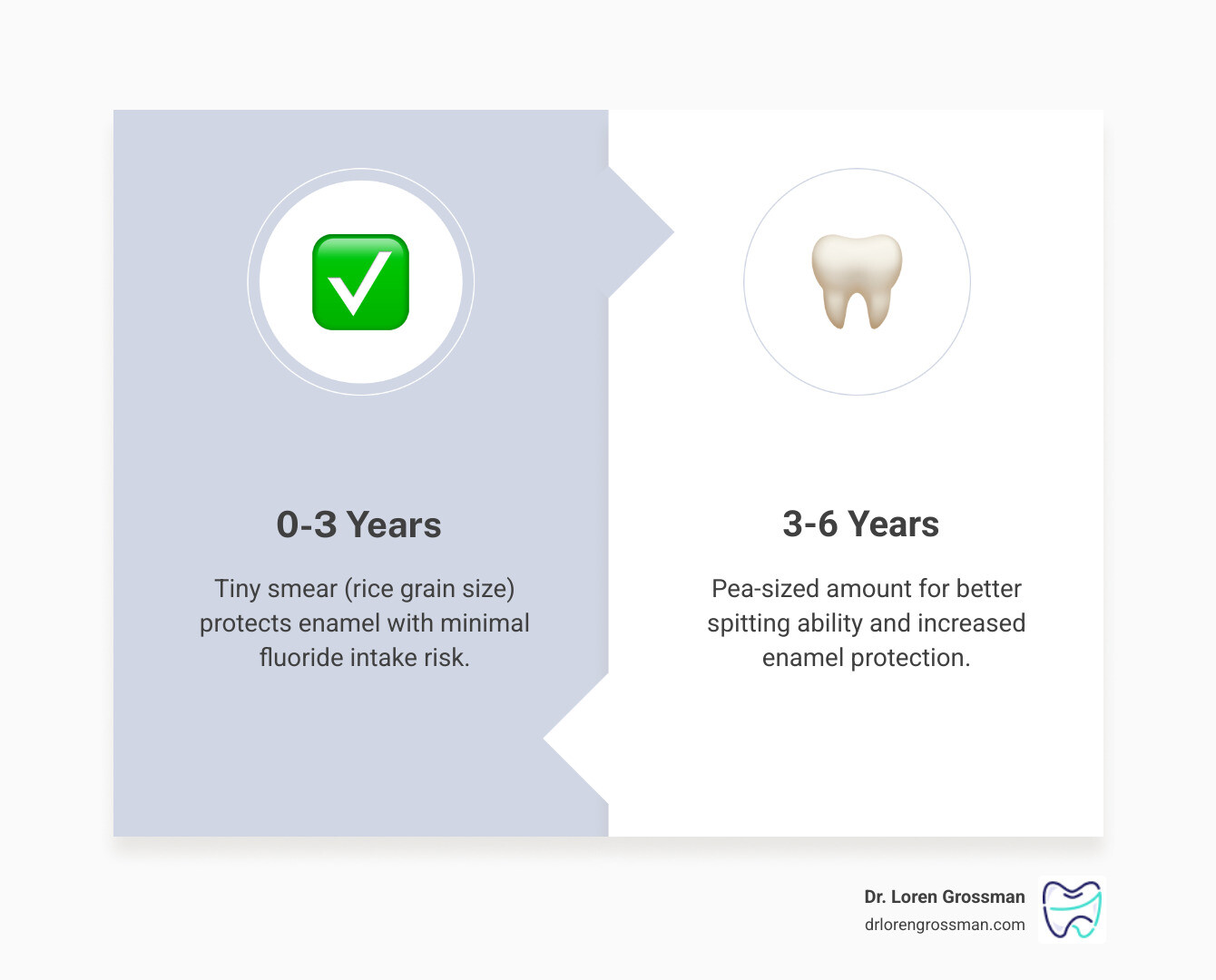
| Age Range | Amount of Fluoride Toothpaste | Why? |
|---|---|---|
| 0 to 3 Years | A tiny “smear” (size of a grain of rice) | Minimizes fluoride ingestion while still protecting the enamel. |
| 3 to 6 Years | A pea-sized amount | Children are better at spitting by this age, allowing for a bit more fluoride. |
Encourage your child to spit out the excess toothpaste, but do not rinse with water afterward. Leaving that tiny bit of fluoride on the teeth helps it continue to work throughout the night or day.
When to start flossing baby teeth
Most parents are surprised to learn that flossing should start long before all the permanent teeth arrive. You should start flossing as soon as any two teeth touch side-by-side. For most children, this happens with the back molars around age 3 or 4.
Plaque and food particles get trapped in those tight spaces where a toothbrush cannot reach. Using “floss picks” can make this much easier for parents to manage than traditional string floss.
Feeding, Fluoride, and Daily Habits That Prevent Cavities
What your baby eats and drinks—and how they consume it—is just as important as brushing.
How to prevent baby bottle tooth decay
“Baby bottle tooth decay” (also known as bottle mouth) occurs when sugary liquids like milk, formula, or fruit juice pool around the teeth for long periods. This most often happens when a baby is put to sleep with a bottle. As the baby sleeps, saliva flow decreases, and the natural sugars in the milk feed the bacteria in the mouth, which then produce acid that eats away at the enamel.
To prevent this:
- Never put your baby to bed with a bottle containing anything other than plain water.
- Try to finish the bedtime bottle before laying the baby down, and wipe their gums or brush their teeth afterward.
- Transition from a bottle to a sippy cup around 6 to 12 months.
- If your child is already habituated to a sugary bottle at night, try diluting the contents with water over a period of 2 to 3 weeks until it is only water.
For a deeper dive into this specific issue, WebMD offers an excellent resource on Baby Teeth Care: Brushing First Teeth, Teething, Gum Care, and More.
Diet tips that protect baby teeth every day
Babies are not born with a natural “sweet tooth”—they learn to prefer sugar based on what they are fed. To protect their teeth:
- Limit Juice: The AAP recommends no juice before age 1, and no more than 4 ounces of diluted juice per day for toddlers.
- Avoid Sticky Snacks: Dried fruits like raisins or fruit leathers are very sticky and stay on the teeth for hours. Whole fruit is a much better choice.
- Water is Best: Make water the family drink of choice. If your local tap water in Kingston is fluoridated, it provides an extra layer of protection.
- Meal Timing: It’s better to have a sweet treat with a meal rather than as a standalone snack. The extra saliva produced during a full meal helps wash away the sugars.
How parents can reduce cavity-causing bacteria transfer
Did you know that cavities are actually “contagious”? Babies are born without the bacteria (Streptococcus mutans) that cause cavities. They usually acquire this bacteria from their caregivers.
When you share a spoon with your baby, “clean” a dropped pacifier with your own mouth, or kiss your baby on the lips, you are transferring your oral bacteria to them. If you have active decay or gum disease, you are passing those harmful bacteria along. We recommend that parents maintain their own oral health and avoid sharing utensils to keep their baby’s mouth as clean as possible. You can find more on this at Children’s Dental Health: Caring for Their Teeth.

Teething, Dentist Visits, and Signs Something Is Wrong
Teething can be a stressful time for both babies and parents, but it’s a natural milestone that usually begins between 4 and 7 months.
Safe ways to soothe teething pain
Common symptoms of teething include drooling, irritability, and swollen gums. To help your little one:
- Cold is Your Friend: Give them a cold (not frozen) washcloth to chew on or a chilled teething ring.
- Gum Massage: Use a clean finger to gently rub their gums.
- Avoid Numbing Gels: The FDA warns against using teething gels containing benzocaine, as they can be dangerous for infants. Stick to physical soothing methods.
When babies should see the dentist and how often
The American Dental Association (ADA) and our team at Dr. Loren Grossman’s office recommend that a child has their first dental visit by their first birthday, or within six months of their first tooth appearing.
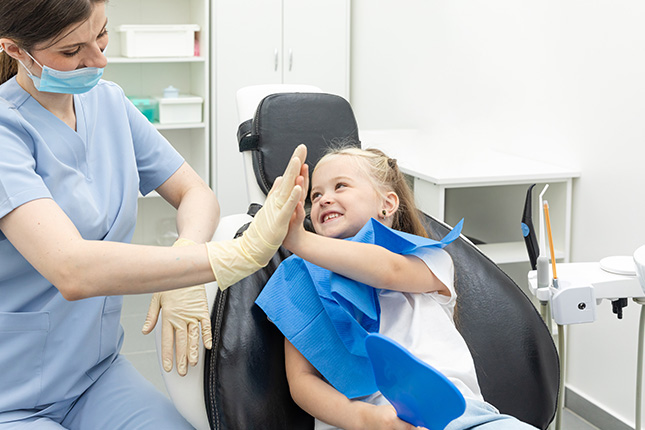
This first visit is primarily about education and comfort. We check the jaw, gums, and any existing teeth, and we talk to you about nutrition and home care. Building this relationship early ensures that if an emergency ever does happen, your child is already comfortable with us.
To help you get ready, we’ve put together a guide on Pediatric Dentistry How To Prepare Your Child For Their First Visit To Dr Loren Grossman. You can also learn more about our specific pediatric dentistry services here.
Signs of tooth decay or dental problems parents should watch for
Keep an eye on your baby’s teeth during your daily brushing. Early decay doesn’t always look like a black hole. Watch for:
- Dull White Spots: This is often the first sign of enamel weakening.
- Brown or Black Spots: This indicates a cavity has formed.
- Pitted Enamel: Teeth that look “pock-marked” or uneven.
- Bad Breath: Persistent bad breath in a toddler can be a sign of infection.
- Feeding Refusal: If your child suddenly refuses cold foods or cries while eating, they may have a sensitive tooth.
Common dental emergencies in babies and toddlers
Accidents happen, especially when toddlers start walking (and falling).
- Chipped Tooth: Rinse the mouth with warm water and call us immediately.
- Knocked-Out Baby Tooth: Unlike a permanent tooth, we usually do not try to put a baby tooth back in, as it can damage the permanent tooth underneath. However, you should still see us to ensure no fragments are left behind.
- Bitten Lip or Tongue: Apply a cold compress to reduce swelling. If bleeding doesn’t stop after 10 minutes of pressure, seek medical attention.
Making Brushing Fun and Building Lifelong Habits
Let’s be honest: not every toddler loves having their teeth brushed. Some might treat it like a wrestling match! The key is to keep it lighthearted and consistent.
Simple ways to make brushing easier for toddlers
- The “Brush-Book-Bed” Routine: Incorporate brushing into a predictable nightly sequence.
- Modeling: Let your child watch you brush. Children love to imitate their parents!
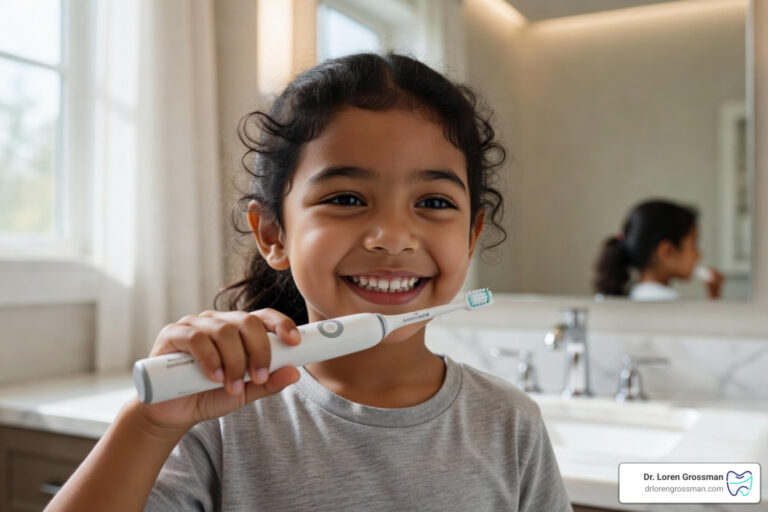
- Choice: Let them pick out their own toothbrush (perhaps with a favorite character) and their favorite flavor of ADA-approved toothpaste.
- Apps and Music: There are many “brushing timer” apps that play two-minute songs.
- Games: Pretend to “find the hidden dinosaurs” or “brush the sugar bugs” away.
How long parents should help with brushing
Most children do not have the manual dexterity to brush effectively on their own until they can tie their own shoelaces—usually around age 7 or 8. Even when they start doing it themselves, we recommend “supervised brushing.” You can let them take the first turn, but you should always “finish up” to ensure the back molars and gum lines are clean.
For more practical advice on managing this stage, see How To Use These Pediatric Dental Care Tips Today and our Kingston Pediatric Dentistry Tips Parents.
Frequently Asked Questions About baby teeth care tips for parents
When do babies usually get their first tooth?
Most babies see their first tooth (usually the bottom front two) between 4 and 7 months. However, every child is different. Some are born with “natal teeth,” and others don’t get their first tooth until after their first birthday. Both can be perfectly normal!
Is fluoride toothpaste safe for babies?
Yes, as long as you use the correct amount. A tiny “smear” the size of a grain of rice is safe even if the baby swallows it. Fluoride is essential for hardening the enamel against the acids produced by bacteria.
What should my baby drink at bedtime?
Plain water is the only safe drink for bedtime once teeth have erupted. Milk, formula, and juice all contain sugars that will sit on the teeth and cause decay while your child sleeps.
Conclusion
Caring for baby teeth is one of the most important things you can do for your child’s overall health and self-esteem. By starting early—even before that first tooth appears—and staying consistent with brushing, diet, and regular dental checkups, you are setting your child up for a lifetime of healthy smiles.
At the office of Dr. Loren Grossman, we are committed to providing gentle, expert care for the youngest members of your family here in Kingston. Whether you need a first “well-baby” checkup or advice on toddler dental habits, we are here to help. For more information on how we can support your family’s oral health, please explore our general services.
Let’s work together to keep those little smiles bright!