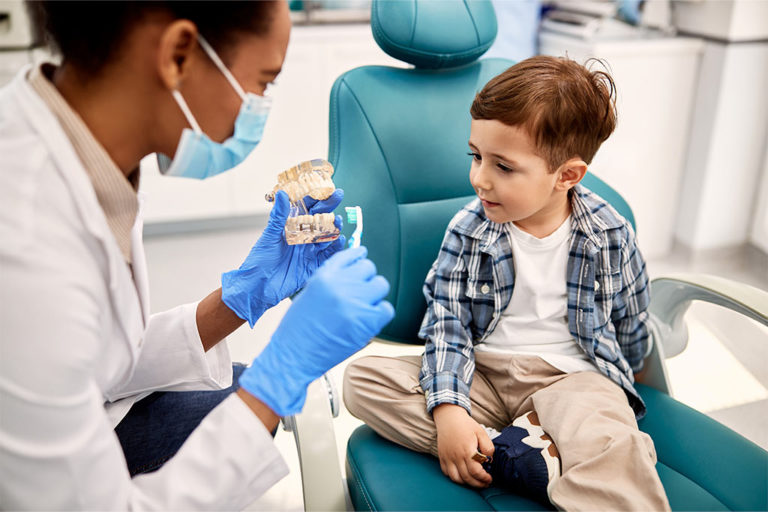
Preventive Dental Care Tips That Protect Your Smile
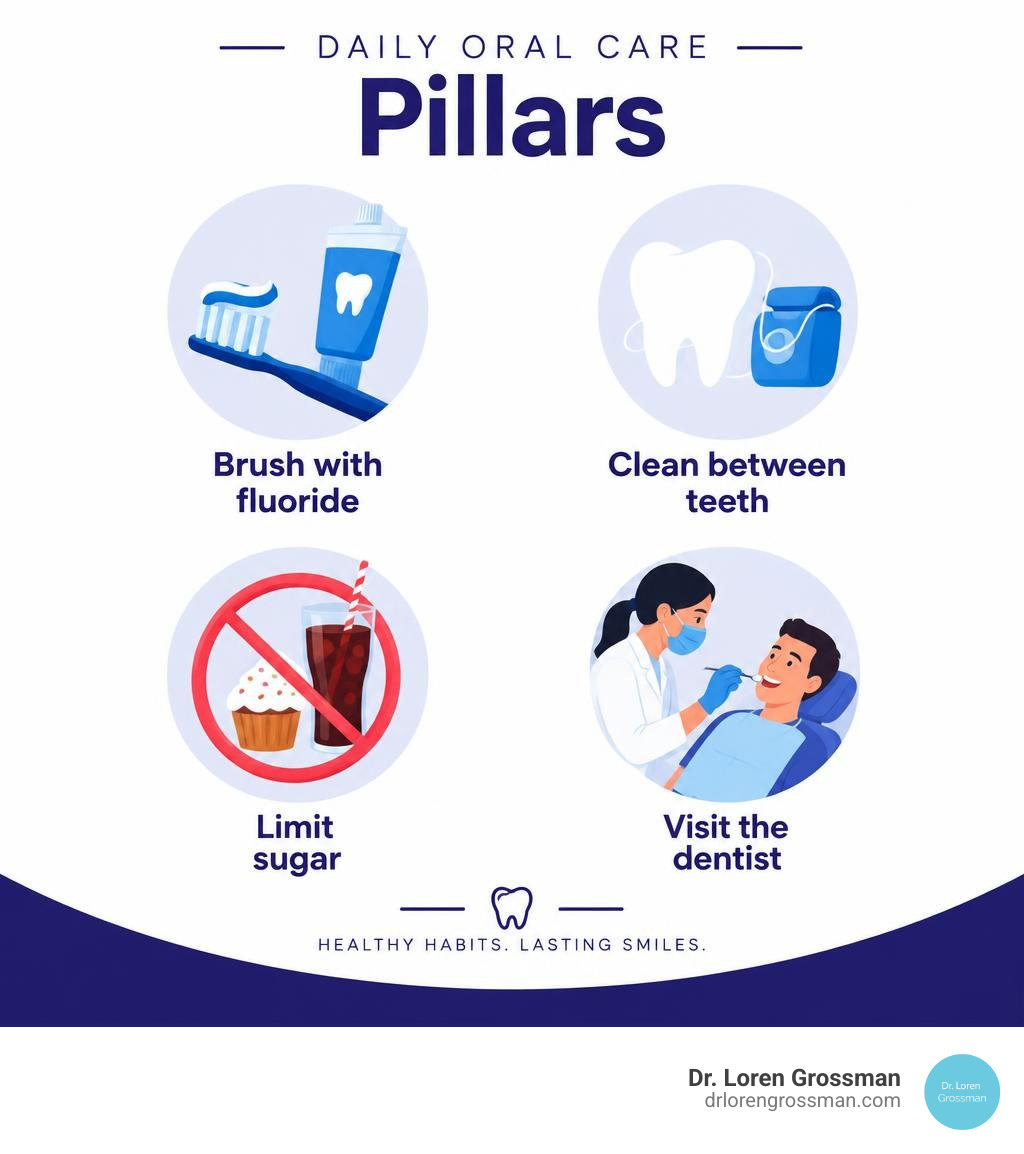
Brush for two minutes twice a day with fluoride toothpaste, and clean between your teeth once a day. Choose water more often than sugary drinks, avoid tobacco, and ask your dentist how often you need checkups and cleanings. If you have tooth pain or gums that bleed, don’t wait for your next routine visit.
These small habits matter. CDC oral health guidance reports that more than 40% of adults have felt mouth pain in the past year, and more than 80% have had a cavity by age 34.
I’m Dr. Loren Grossman, a family dentist who has served the Wyoming Valley since 1984. In this guide, I’ll share preventive dental care tips shaped by decades of caring for children and adults.
Understanding Preventive Dentistry and Its Lifelong Benefits
Preventive dentistry is the practice of caring for your teeth and gums to preserve oral structures, stop dental disease before it begins, and intercept developing conditions at their earliest stages. Rather than waiting for a severe toothache to force an emergency visit, proactive care focuses on daily hygiene routines, routine clinical assessments, and ongoing risk management.
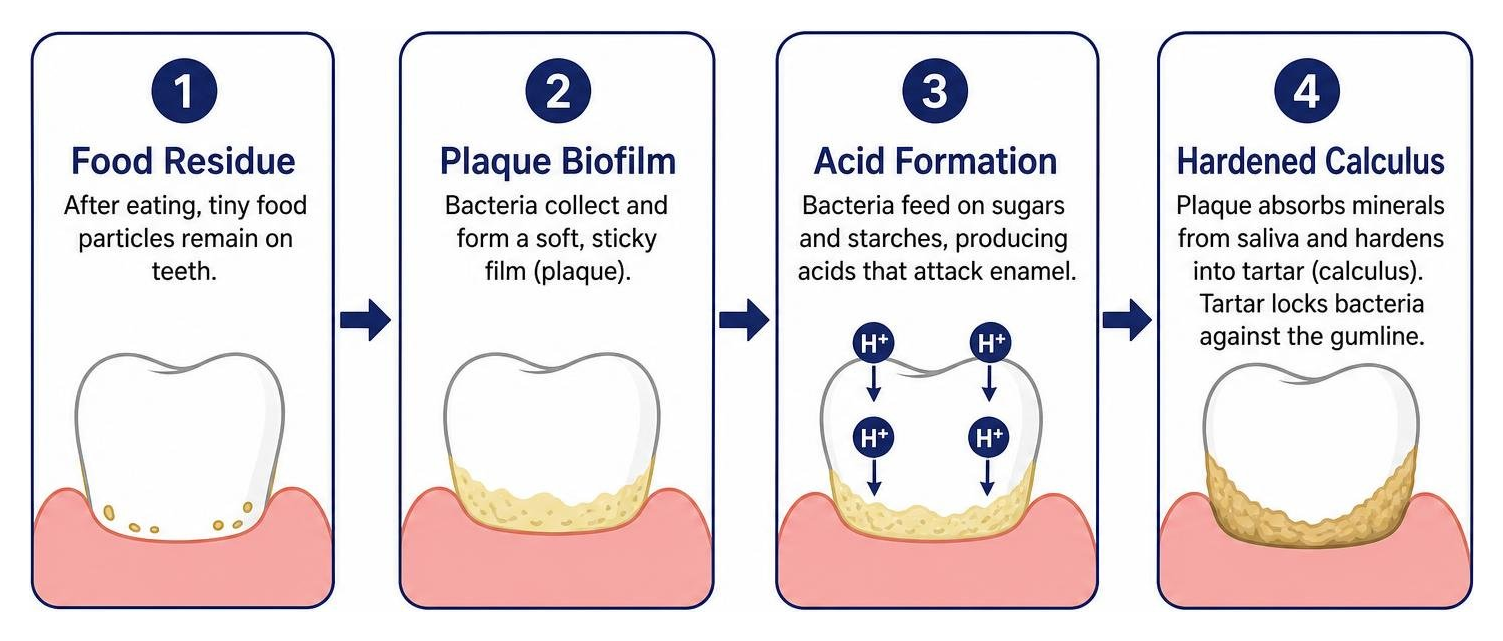
Every day, a soft, sticky film of bacteria called plaque forms across your teeth. Within minutes of eating, these oral bacteria feed on lingering dietary starches and sugars, generating acidic byproducts that attack your outer enamel. If this biofilm is left undisturbed, it absorbs minerals from your saliva and calcifies into tartar (calculus). Unlike soft plaque, tartar cannot be removed with a standard toothbrush or dental floss; it locks bacteria against the gumline, triggering progressive inflammation and tissue breakdown.
A healthy mouth serves as an essential gatekeeper for the rest of your body. Modern medical research demonstrates clear bidirectional links between systemic well-being and periodontal stability. According to CDC preventive care guidelines, maintaining routine medical and dental visits helps mitigate long-term chronic illness risks. Partnering with a dedicated family dentist establishes a lifelong foundation that protects smiles across every stage of growth and aging.
Why Proactive Care Matters for Oral and Overall Health
Your oral cavity does not exist in isolation. Severe periodontal infection allows pathogenic bacteria to enter your bloodstream, elevating systemic inflammatory markers. Uncontrolled gum disease complicates blood glucose control for patients with diabetes, while high blood sugar simultaneously weakens the body’s natural defenses against oral infections.
Proactive care stops this destructive cycle. By disrupting bacterial colonies daily and utilizing mineralizing agents like fluoride, you promote enamel remineralization—reversing microscopic mineral loss before irreversible decay forms. Exploring these tips to protect your oral health empowers you to take control of both your smile and your whole-body vitality.
Key Warning Signs That Demand Immediate Dental Attention
Plaque and early decay frequently develop in total silence. However, when your mouth exhibits warning signs, delaying care allows simple issues to escalate into extensive dental emergencies. According to adult dental care guidelines from MedlinePlus, you should contact your dentist promptly if you notice any of the following symptoms:
- Bleeding Gums: Bleeding during routine brushing or flossing is an early indicator of gingivitis, not normal wear and tear.
- Persistent Bad Breath (Halitosis): Chronic foul odor or a bad taste often signals hidden pockets of bacteria beneath the gum tissue.
- Sudden Tooth Sensitivity: Sharp discomfort when consuming hot, cold, or sugary foods suggests enamel erosion, micro-fractures, or exposed root surfaces.
- Lingering or Throbbing Pain: Spontaneous ache indicates that decay may have reached the inner pulp chamber of the tooth.
- Gum Recession or Loose Teeth: When teeth appear elongated or shift out of position, underlying bone loss may be actively occurring.
- Non-Healing Oral Sores: Any patch, ulcer, or red/white lesion in the mouth lasting longer than two weeks warrants professional clinical evaluation.
Essential Preventive Dental Care Tips for Daily Oral Hygiene
An exceptional oral health routine relies on consistency, proper mechanics, and the right tools. Brushing alone cleans approximately 60% of your tooth surfaces. The remaining 40% sits tightly between adjacent teeth—an area completely unreachable by regular bristles.
Brushing and Flossing: Core Preventive Dental Care Tips
To maximize the benefits of your daily routine, adopt these evidence-based techniques:
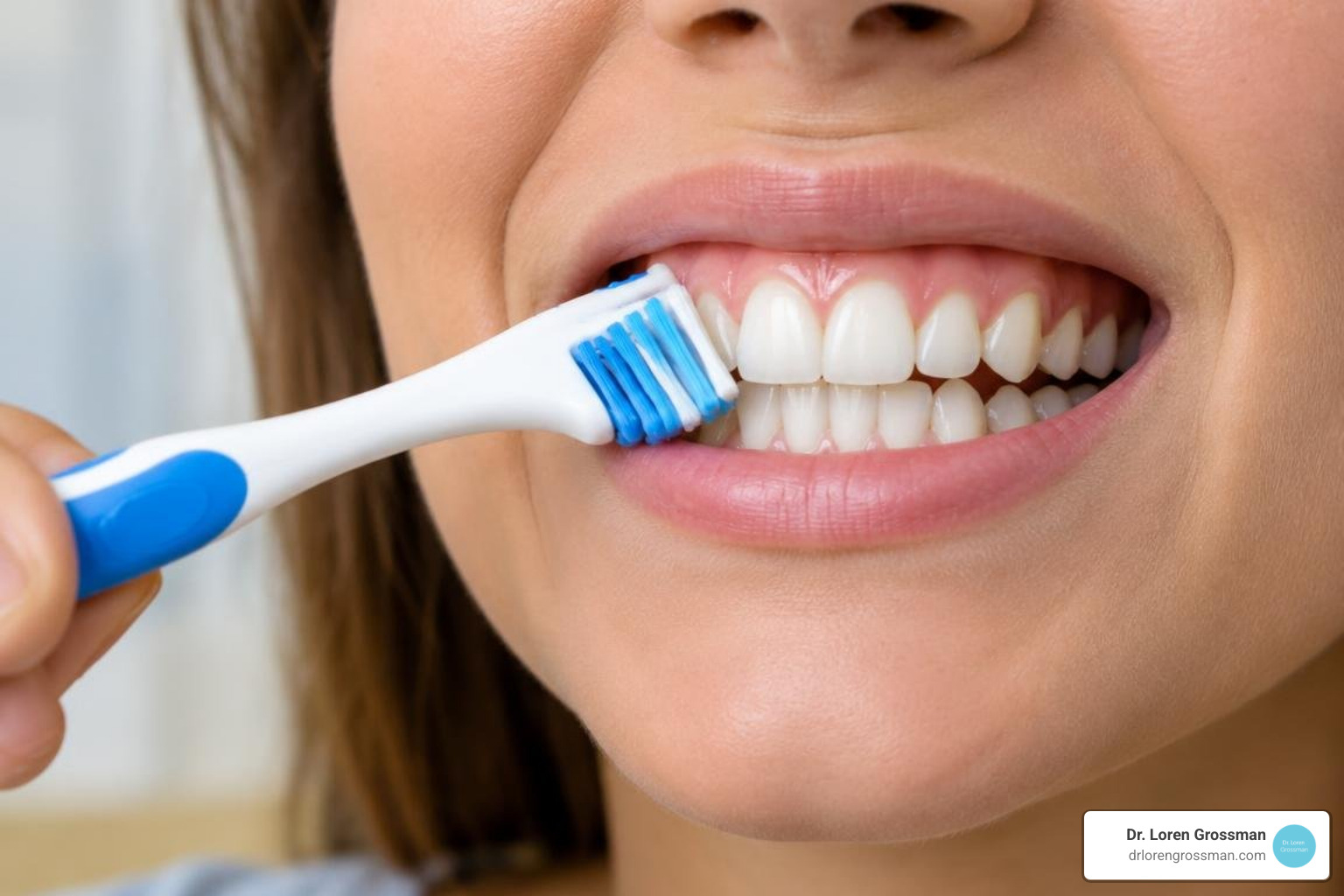
- Follow the Two-Minute Rule: Brush for a minimum of two full minutes twice daily. Divide your mouth into four quadrants (upper right, upper left, lower left, lower right) and devote 30 seconds of attention to each.
- Angle Your Bristles at 45 Degrees: Position a soft-bristled toothbrush at a 45-degree angle toward the gumline. Use gentle, short, circular vibrating motions rather than aggressive back-and-forth scrubbing, which can abrade enamel and cause gum recession.
- Clean All Tooth Surfaces: Systematically clean the outer cheek surfaces, inner tongue surfaces, and the grooved chewing tops of every tooth. Tilt the brush vertically to reach the inside surfaces of your front teeth.
- Clean Between Teeth Daily: Discover the real benefits of flossing daily by removing trapped food debris and interproximal plaque every single day.
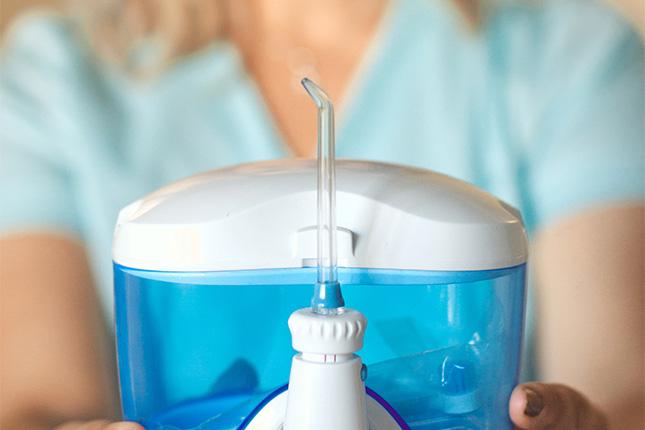
- Master Interdental Technique: Gently curve your floss into a “C” shape around the side of each tooth, sliding beneath the gumline with smooth, controlled motions. If traditional floss is difficult to maneuver, interdental brushes or water flossers serve as excellent alternatives. Understanding why that tiny string makes a big difference helps prevent interproximal cavities.
- Replace Your Toothbrush Frequently: Change your manual toothbrush or electric brush head every three to four months, or sooner if the bristles splay or after recovering from an illness, as highlighted in CDA preventive oral care guidance.
- Spit, Don’t Rinse Immediately: After brushing with fluoride toothpaste, spit out the excess lather but avoid aggressively rinsing with water right away. Leaving a thin residual layer allows fluoride ions to continue strengthening enamel.
Preventive Dental Care Tips for Diet and Nutrition
What you eat directly impacts your oral microbiome and the chemical integrity of your enamel. Every time you consume fermentable carbohydrates or acidic drinks, your teeth experience an acid attack that lasts 20 to 30 minutes.
| Tooth-Healthy Foods & Habits | Enamel-Eroding Foods & Habits |
|---|---|
| Aged Cheeses & Plain Dairy: High in calcium and phosphates; stimulates saliva to neutralize oral acid. | Sticky Candies & Gummies: Cling to deep fissures and sustain prolonged acid attacks. |
| Crunchy Raw Vegetables (Carrots, Celery): Acts as a natural cleanser while boosting saliva production. | Sodas & Carbonated Energy Drinks: Highly acidic; rapidly dissolves protective enamel minerals. |
| Fluoridated Tap Water: Washes away loose food particles and continuously bathes teeth in strengthening minerals. | Citrus Juices & Sour Treats: Low pH levels soften the outer enamel matrix over time. |
| Nuts & Seeds: Packed with essential minerals and low in fermentable sugars. | Frequent Carbohydrate Snacking: Constant grazing keeps oral pH in a sustained destructive danger zone. |
To safeguard your enamel against dietary acid erosion, drink acidic beverages through a straw to minimize direct contact with your teeth. If you consume citrus fruits or acidic drinks, rinse your mouth with plain water and wait at least 30 to 60 minutes before brushing. Brushing softened, acid-exposed enamel immediately can wear away microscopic layers of tooth structure. Incorporating these habits aligns with general CDC oral health tips for adults.
The Damaging Effects of Tobacco, Alcohol, and Vaping
Lifestyle habits outside of nutrition also dictate oral health outcomes. Using combustible tobacco, smokeless tobacco, or modern vaping devices introduces severe risks to your oral tissues:
- Combustible Tobacco (Cigarettes, Cigars, Pipes): Nicotine constricts microvascular blood vessels in the gingiva, masking the early warning bleeding signs of gum disease while severely impairing tissue healing. Tobacco use remains the leading risk factor for oral cancers and advanced periodontitis.
- Vaping and E-Cigarettes: Aerosols containing propylene glycol, vegetable glycerin, and nicotine reduce salivary flow, leading to severe chronic dry mouth (xerostomia). A dry oral environment accelerates bacterial proliferation and escalates decay rates along the gumline.
- Heavy Alcohol Consumption: Alcohol dehydrates oral mucosal membranes and alters the protective oral microbiome. When combined with tobacco use, alcohol acts as a solvent that increases the permeability of oral tissues to carcinogens, dramatically multiplying the risk of oral cancer.
Following Oral Health Foundation preventive care advice regarding tobacco cessation and moderation in alcohol consumption is essential for preserving healthy oral tissues throughout life.
Professional Dental Treatments That Strengthen and Shield Teeth
While diligent home hygiene forms the cornerstone of oral health, professional clinical care provides the vital defensive layer that at-home tools cannot match. Even with flawless brushing and flossing, anatomical variations—such as deep developmental grooves, crowded arches, and subgingival pockets—create micro-environments where plaque matures into hardened calculus.

Our Kingston, Pennsylvania dental team utilizes specialized instrumentation, advanced diagnostic imaging, and preventive clinical therapies through comprehensive general dentistry services to keep your smile secure.
Fluoride Treatments and Dental Sealants
Clinical preventive treatments reinforce vulnerable enamel and shield high-risk tooth surfaces:
- Professional Fluoride Applications: Highly concentrated fluoride varnishes applied directly to teeth integrate into the crystalline enamel structure, transforming hydroxyapatite into fluorapatite. This newly reinforced surface is significantly more resistant to bacterial acid attacks. Fluoride treatments benefit not only developing children but also adults experiencing root exposure, dry mouth, or elevated cavity rates.
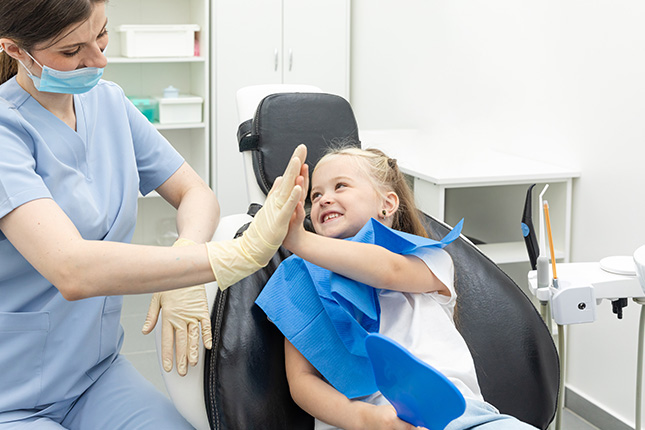
- Dental Sealants: Molars feature deep pits and fissures that are often narrower than a single toothbrush bristle, making them impossible to clean thoroughly. Dental sealants are thin, biocompatible resin coatings painted into these grooved chewing surfaces. Once cured with a specialized light, sealants form an impenetrable physical barrier against food debris and bacteria. Sealants reduce the risk of molar decay by up to 80% and represent a key component of our pediatric dental services, while remaining highly effective for cavity-prone adults.
Diagnostic Exams, Cleanings, and Routine X-Rays
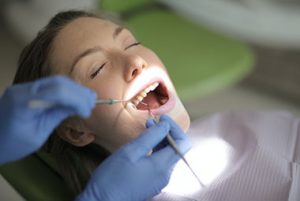
During a routine preventive appointment, our registered dental hygienists perform ultrasonic and manual scaling to thoroughly debride plaque and tartar from above and below your gumline, followed by careful polishing.
Simultaneously, Dr. Grossman conducts a comprehensive diagnostic examination:
- Periodontal Assessment: Measuring the depth of gum pockets around every tooth to detect early gingival detachment before bone loss progresses.
- Oral Cancer Screening: Visual and tactile evaluation of the tongue, floor of the mouth, palate, and neck tissues to detect abnormal cellular changes early.
- Restoration Evaluation: Inspecting existing fillings, crowns, and bridges for signs of micro-leakage, recurrent decay, or structural breakdown.
- Digital Radiography: Utilizing low-radiation digital sensors to evaluate areas invisible to the naked eye. Reviewing the importance of regular dental check-ups underscores how early diagnosis saves teeth. If you have questions about imaging schedules, our guide on how often you should get dental x-rays outlines how frequency is customized to your unique clinical risk profile.
Frequently Asked Questions About Preventive Dentistry
How often should I schedule professional dental checkups and cleanings?
While the standard baseline recommendation is to visit the dentist every six months, preventive visit intervals should always be tailored to your individual health status. Patients with active periodontal disease, a high rate of recurrent decay, diabetes, compromised immune systems, or pregnancy often require cleanings every three to four months to keep bacterial colonies suppressed. Understanding these customized preventive dentistry practices and checkup frequency ensures your visit schedule aligns with your specific oral needs.
Can dental sealants benefit adults or are they only for children?
Yes, dental sealants offer clear benefits for adults. While sealants are routinely placed on children’s newly erupted permanent molars between ages 6 and 12, any adult with deep, un-decayed, and un-restored molar grooves can benefit from this protective barrier. Adult patients experiencing dry mouth from medications or those undergoing orthodontic treatments find that sealants provide an invaluable extra layer of defense against decay.
What are the earliest symptoms of gum disease to watch for?
The earliest stage of gum disease is gingivitis. Key symptoms include:
- Gums that appear red, puffy, or swollen rather than firm and pale pink.
- Bleeding during routine brushing or flossing.
- Tenderness along the gum margins when eating firm foods.
- Persistent bad breath that does not resolve with mouthwash.
Gingivitis is completely reversible with professional cleanings and diligent daily hygiene. However, if ignored, it progresses into periodontitis, causing irreversible bone loss and eventual tooth mobility. If you are uncertain about your flossing habits, reviewing whether to floss or not to floss clarifies why interdental cleaning is crucial for halting gum inflammation.
Conclusion
Protecting your natural smile for life does not require complex routines—it demands smart daily habits, mindful nutrition, and consistent clinical partnerships. By brushing twice daily with fluoride toothpaste, flossing every single day, staying hydrated, and scheduling routine cleanings, you prevent small bacterial issues from evolving into painful, costly dental emergencies.
At Dr. Loren Grossman’s practice in Kingston, Pennsylvania, we combine advanced dental technology with compassionate, patient-centered care to help you maintain vibrant oral health across every season of life. Explore our comprehensive dental care services today and schedule your next preventive checkup with our dedicated team.