Why Tooth Discomfort Happens and What You Can Do About It
Sensitive teeth affect up to 57% of adults, making it one of the most common dental complaints. If you’ve ever winced from a sip of hot coffee or felt a sharp zing from ice cream, you’re not alone.
Quick Facts About Sensitive Teeth:
- What it is: Sharp, temporary pain in teeth when exposed to hot, cold, sweet, or acidic triggers
- Main cause: Exposed dentin (the layer under enamel) due to worn enamel or receding gums
- Who it affects: Most common in ages 20-40, but can happen at any age
- Can you treat it at home? Yes, many cases respond to desensitizing toothpaste and gentle care
- When to see a dentist: If pain is severe, persistent, or affects daily life
This condition, officially called dentin hypersensitivity, happens when the protective layers of your teeth wear down. Your enamel (the hard outer shell) or cementum (the covering on roots) gets thin or damaged, exposing tiny tubules in the dentin layer beneath. These microscopic channels lead directly to the nerve center of your tooth, creating that uncomfortable sensation when triggered.
The good news? Many people find relief through simple at-home strategies, from switching toothpaste to adjusting their diet.
I’m Dr. Loren Grossman, and I’ve been treating patients with sensitive teeth in the Wyoming Valley since 1984. Over three decades of practice, I’ve helped countless patients find relief from tooth sensitivity through both at-home care and professional treatments, always focusing on personal attention and lasting results.
Understanding the “Zing”: What Causes Tooth Sensitivity?
The sharp, sudden pain associated with sensitive teeth can be quite startling. To truly understand why it happens, we need to take a quick look at the incredible structure of your teeth.
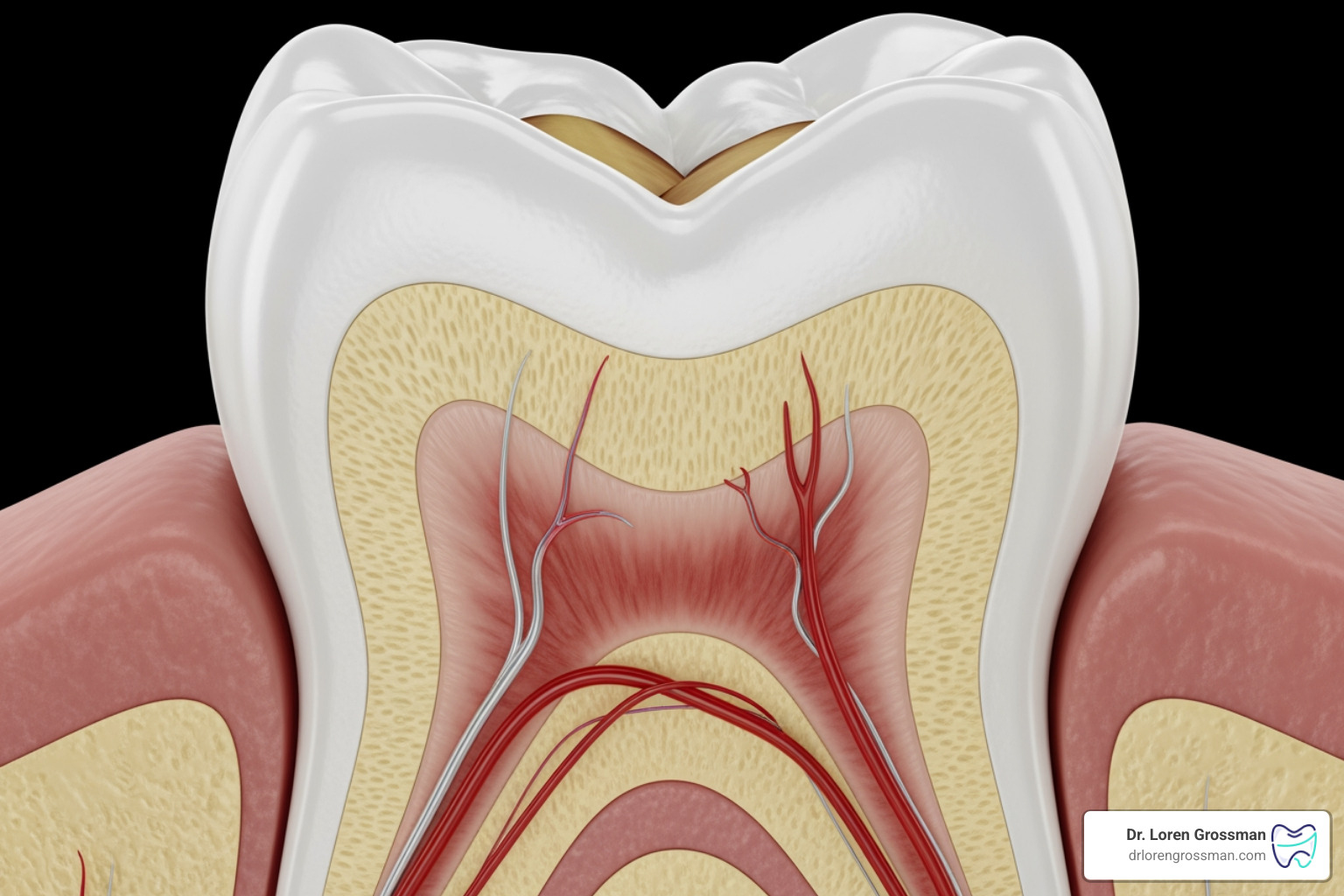
At the outermost layer of your tooth crown, above the gum line, is the enamel. This is the hardest substance in your body, designed to protect the softer inner layers. Below the gum line, covering the tooth roots, is a layer called cementum, which also acts as a protective barrier.
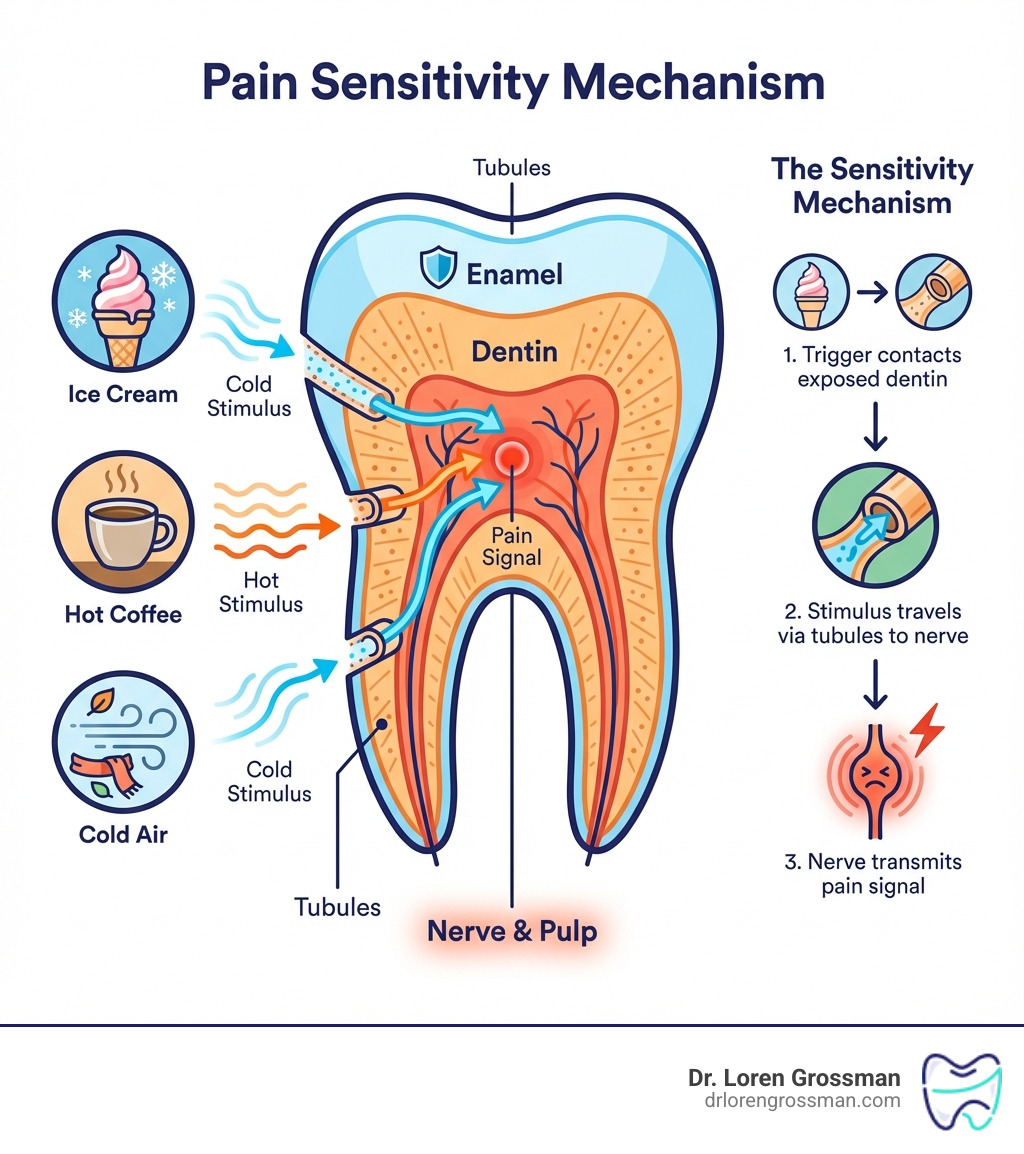
Beneath both the enamel and cementum lies the dentin. Unlike the hard, non-porous enamel, dentin is a softer, yellowish material that contains millions of microscopic tubes called dentin tubules. Each of these tiny tubules leads directly to the pulp, the innermost part of your tooth where the nerves and blood vessels reside.
When enamel or cementum wears away or recedes, these dentin tubules become exposed. This exposure means that external stimuli—like cold air, hot liquids, or sweet foods—can easily travel through these open channels, directly stimulating the nerves within the pulp. This direct stimulation is what causes that characteristic “zing” or sharp pain we associate with sensitive teeth. Your dentin is acting as a protective mechanism, signaling that something is irritating the tooth’s core.
The prevalence of sensitive teeth is quite high, affecting a significant portion of the population. It’s a common issue, and understanding its root causes is the first step toward finding relief. We often see it more frequently in people aged between 20 and 40, though it can indeed affect individuals from their early teens well into their 70s. Interestingly, women tend to be more affected than men.
For a deeper dive into this phenomenon, you can explore resources like our guide on Uncovering the Mystery of Sensitive Teeth and How to Alleviate Sensitive Tooth Discomfort or read more from experts at Sensitive Teeth: Why They Hurt and How to Stop the Pain.
Common Triggers for Tooth Pain
If you have sensitive teeth, certain everyday things can suddenly become quite painful. These are the “triggers” that cause that sharp, temporary discomfort:
- Hot foods and drinks: A steaming cup of coffee or a warm soup can cause a jolt of pain.
- Cold foods and drinks: Ice cream, cold beverages, or even a breath of cold air can make you wince. This is one of the most common complaints.
- Sweet foods: Sugary treats can sometimes provoke a surprising reaction in sensitive areas.
- Acidic foods: Citrus fruits, tomatoes, pickles, and even some wines can irritate exposed dentin.
- Cold air: Simply breathing in cold air, especially in colder months, can be enough to trigger pain.
- Brushing: Aggressive brushing or using a hard-bristled toothbrush can also cause discomfort as it directly stimulates exposed areas.
These triggers are painful because they provide a direct pathway through the exposed dentin tubules to the nerve, causing a momentary, sharp pain.
Underlying Causes of Enamel Wear and Gum Recession
While triggers cause the immediate pain, they aren’t the root cause of sensitive teeth. The underlying issues typically involve the loss of protective enamel or cementum, or the exposure of dentin due to gum recession. Here are some common culprits:
- Aggressive Brushing: Brushing too hard or using a toothbrush with stiff bristles can literally wear away your enamel over time. It can also cause your gums to recede, exposing the sensitive root surfaces. This is a harmful myth that brushing harder cleans better; in reality, proper technique with a soft-bristled brush is key.
- Teeth Grinding (Bruxism): Many people unconsciously grind or clench their teeth, especially at night. This habit puts immense pressure on your teeth, leading to the wearing down of enamel and potentially causing cracks or chips, which then exposes the dentin.
- Gum Disease (Gingivitis and Periodontitis): Inflammation and infection of the gums can lead to gum recession, where the gum tissue pulls away from the teeth, exposing the roots. Since root surfaces are covered by cementum, which is thinner and more easily worn than enamel, they become highly susceptible to sensitivity.
- Cracked Tooth or Chipped Tooth: A crack or chip in a tooth can create an opening for stimuli to reach the pulp, causing pain. These can be tiny, almost invisible cracks, but they can still cause significant sensitivity.
- Acidic Diet: Frequent consumption of highly acidic foods and drinks – like carbonated sodas, citrus fruits, and some sports drinks – can erode tooth enamel. This process, known as dental erosion, thins the enamel, making your teeth more vulnerable to sensitivity.
- Recent Dental Procedures: It’s not uncommon to experience temporary sensitive teeth after certain dental treatments, such as fillings, cleanings, or crown placements. This sensitivity usually subsides on its own within a few days or weeks as the tooth recovers. Similarly, some teeth whitening products can increase sensitivity temporarily.
Understanding these underlying causes helps us address the problem effectively, often starting with changes you can make at home.
How to Manage Your Sensitive Teeth at Home
The good news is that many cases of sensitive teeth can be effectively managed and even resolved with simple changes to your at-home oral care routine and lifestyle. We encourage our patients in Kingston, Wilkes-Barre, Scranton, and Dallas to try these strategies first.
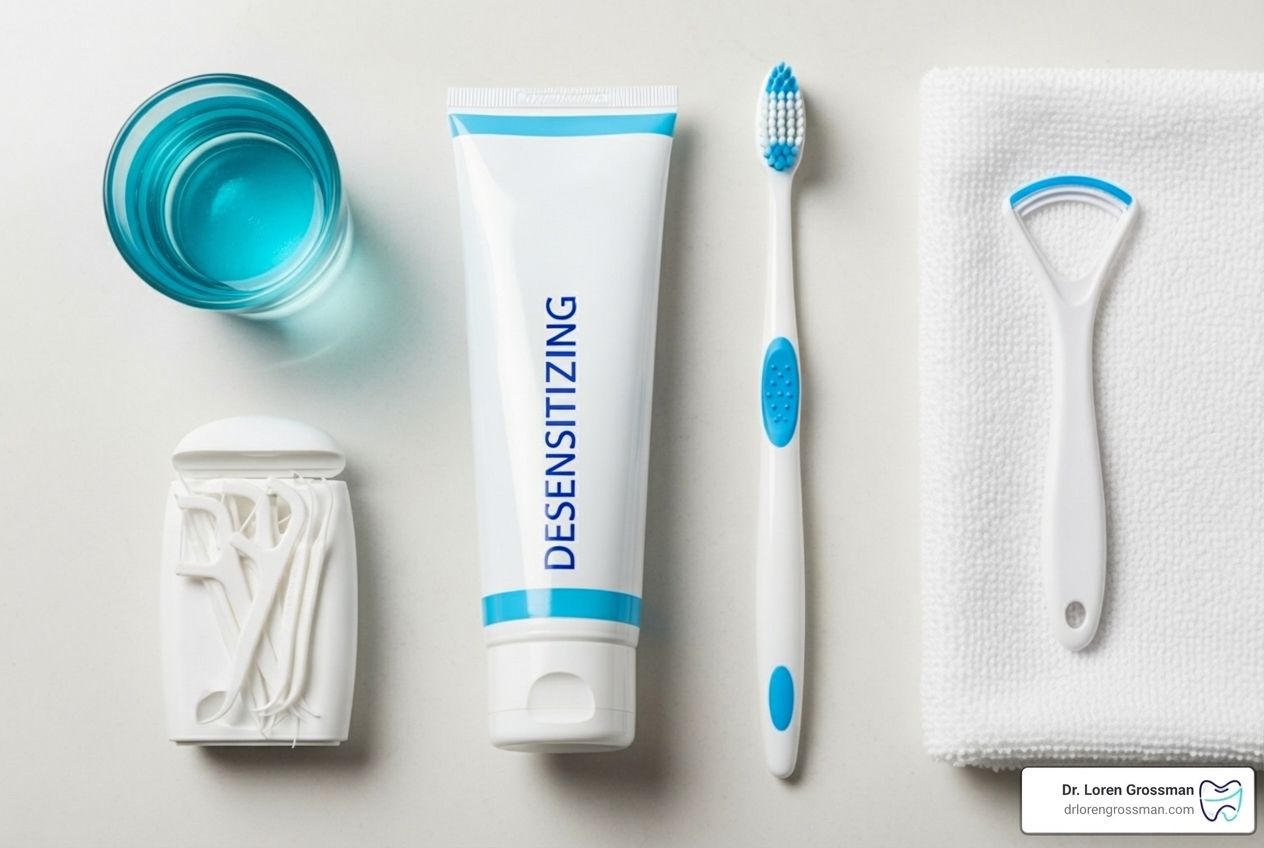
At-Home Treatments for Sensitive Teeth
The cornerstone of at-home care for sensitive teeth often involves specific dental products designed to block the pain signals or strengthen your enamel.
- Desensitizing Toothpaste: This is usually the first line of defense. These toothpastes contain special ingredients that work to either block the dentin tubules or calm the nerve endings.
- Potassium Nitrate: This common ingredient desensitizes the nerve within the tooth, reducing its ability to send pain signals.
- Stannous Fluoride: This ingredient works by forming a protective layer over the exposed dentin tubules, physically blocking stimuli from reaching the nerve. Consistent use, often twice a day, is key for these toothpastes to be effective. You can even dab a small amount on particularly sensitive spots before bed.
- Soft-Bristled Toothbrush and Gentle Brushing Technique: As we mentioned, aggressive brushing is a major contributor to enamel wear and gum recession. Switching to a soft-bristled toothbrush and using a gentle, circular motion can make a world of difference. Hold your brush at a 45-degree angle to your gums, making sure to clean all surfaces without scrubbing too hard.
- Fluoride Mouthwash: Over-the-counter fluoride rinses can help strengthen tooth enamel, making it more resistant to acid attacks and reducing sensitivity. They can also provide an extra layer of protection for exposed dentin.
Consistency is crucial. It might take a few days or even a few weeks of diligent use before you notice significant improvement.
Dietary Changes to Help Your Sensitive Teeth
What you eat and drink can have a profound impact on your tooth sensitivity. Making a few mindful dietary adjustments can help protect your enamel and reduce discomfort.
- Limit Acidic Foods and Drinks: Foods and beverages high in acid can erode tooth enamel over time, leading to increased sensitivity. While we don’t expect you to eliminate them entirely, reducing your intake or modifying how you consume them can be very beneficial.
- Common culprits include: citrus fruits (lemons, oranges, grapefruit), carbonated sodas, sports drinks, wine, and pickles.
- Using a Straw: When you do consume acidic or sugary beverages, using a straw can help minimize contact with your teeth, especially the sensitive front surfaces.
- Rinsing with Water: After consuming acidic foods or drinks, a simple rinse with plain water can help neutralize the acids in your mouth and wash away residual sugars, protecting your enamel.
- Waiting to Brush After Acidic Meals: It might seem counterintuitive, but brushing your teeth immediately after consuming acidic foods can actually cause more harm. The acid temporarily softens your enamel, making it more vulnerable to abrasion from your toothbrush. We recommend waiting at least 30 minutes to an hour after eating or drinking anything acidic before brushing.
Lifestyle Adjustments for Prevention
Beyond your daily brushing and dietary habits, a few other lifestyle choices can significantly impact your tooth sensitivity.
- Avoiding Teeth Whitening Products: While a bright smile is appealing, some over-the-counter teeth whitening products contain harsh chemicals that can temporarily increase tooth sensitivity. If you’re experiencing sensitivity and using these products, consider pausing their use. If you’re interested in whitening, discuss safer options with us that can minimize sensitivity.
- Using an Over-the-Counter Mouthguard for Grinding: If you suspect you grind or clench your teeth (bruxism), an over-the-counter mouthguard can provide a protective barrier between your upper and lower teeth. This can prevent further enamel wear and reduce the stress on your teeth, which often contributes to sensitivity. For severe grinding, a custom-fitted mouthguard from our office might be a better solution.
- Regular Dental Check-ups: We can’t stress enough the importance of routine dental visits. Regular check-ups allow us to identify potential issues like enamel wear, gum recession, or early signs of gum disease before they lead to significant sensitivity. We can also provide professional fluoride treatments, which are much stronger than over-the-counter options and highly effective in reducing sensitivity. These preventive measures are crucial for maintaining long-term oral health, as detailed in our Preventive Dental Care Tips From Your Scranton Dentist to Protect Your Oral Health.
By adopting these at-home treatments and lifestyle adjustments, many of our patients in Northeastern Pennsylvania find significant relief from their sensitive teeth.
When At-Home Care Isn’t Enough: Knowing When to See a Dentist
While many cases of sensitive teeth can be managed with at-home remedies, there are times when professional dental intervention is necessary. Ignoring persistent or severe sensitivity can lead to more serious oral health problems. We always encourage our patients in Kingston, Wilkes-Barre, Scranton, and Dallas to reach out if they’re concerned.
Signs Your Tooth Sensitivity Needs Professional Attention
How do you know when it’s time to stop trying home remedies and call us? Look out for these warning signs:
- Pain is severe or persistent: If the discomfort is intense, disrupts your daily activities, or doesn’t improve after a few weeks of consistent at-home care, it’s a clear signal to seek professional help.
- Sensitivity lasts for hours: While typical sensitivity is a sharp, temporary pain, if the discomfort lingers for an extended period after a trigger, it could indicate a more significant underlying problem.
- A single tooth is highly sensitive: If only one tooth is exceptionally sensitive, especially to pressure or biting, it might point to a specific issue like a crack, a cavity, or a problem with an existing filling.
- You see a crack or chip: Any visible crack or chip in a tooth, no matter how small, warrants immediate dental attention. These can expose the inner layers of the tooth to bacteria and stimuli.
- Gums are bleeding or swollen: These are classic signs of gum disease, which, as we discussed, can lead to gum recession and exposed roots. If your gums are red, tender, or bleed when you brush or floss, it’s time for a professional evaluation.
- No clear cause for sensitivity: If you can’t identify a logical reason for your sensitivity (e.g., you’re not brushing aggressively, not eating many acidic foods, etc.), a dentist can help diagnose the root cause.
Sensitive teeth can sometimes be an early warning sign of more serious dental problems, such as cavities, gum disease, or even an infected tooth. Early diagnosis and treatment are crucial to prevent these issues from escalating. The importance of regular dental check-ups cannot be overstated, as we highlight in The Importance of Regular Dental Check-ups in Wilkes-Barre: Insights From Dr. Grossman.
What a Dentist Can Do
When you visit us for sensitive teeth, our first step is always a thorough professional diagnosis. We’ll examine your teeth and gums, review your dental and medical history, and discuss your oral care routine to pinpoint the exact cause of your sensitivity. Once we understand the problem, we can recommend the most effective treatment.
Here are some of the professional treatments we offer:
- Fluoride Varnish or Gel: We can apply a professional-strength fluoride varnish or gel to your teeth. These treatments contain a much higher concentration of fluoride than over-the-counter products and are highly effective at strengthening enamel and blocking dentin tubules, providing significant relief from sensitivity.
- Dental Bonding or Sealants: For areas where enamel has been significantly worn away or roots are exposed due to gum recession, we might apply dental bonding or a sealant. These tooth-colored resin materials can cover the exposed dentin, creating a protective barrier and reducing sensitivity. Dental adhesives or sealants can be applied to exposed root surfaces to create a protective layer and reduce sensitivity.
- Gum Graft: If gum recession is extensive and is causing severe sensitivity, a surgical gum graft might be recommended. This procedure involves taking a small piece of gum tissue from another area of your mouth (or using donor tissue) and attaching it to the receded area, covering the exposed root surface and reducing sensitivity.
- Root Canal Treatment: In cases where sensitivity is severe and persistent, and other treatments haven’t worked, it could indicate a problem with the tooth’s pulp (nerve). A root canal, which removes the infected or inflamed pulp, can be the most effective way to eliminate the pain and save the tooth.
- Addressing Underlying Issues: We will also treat any underlying conditions contributing to your sensitivity, such as cavities, cracked teeth, or gum disease. Treating these root causes is essential for long-term relief.
Our goal is always to provide personalized care that addresses your specific needs and restores your comfort.
Frequently Asked Questions about Managing Sensitive Teeth
We hear a lot of questions about sensitive teeth from our patients in Northeastern Pennsylvania. Here are some of the most common ones we encounter:
How long does it take for desensitizing toothpaste to work?
The time it takes for desensitizing toothpaste to work can vary from person to person. Generally, you should start to notice an improvement within several days to a few weeks of consistent use. It’s crucial to use the toothpaste twice a day, every day, as directed, to allow the active ingredients to build up protection. If you don’t see any improvement after a month, it’s a good idea to consult with us.
Can sensitive teeth go away on their own?
Sometimes, yes, sensitive teeth can be temporary and resolve on their own. For example, if your sensitivity is due to a recent dental procedure like a new filling, it often subsides as the tooth heals. Similarly, temporary sensitivity after teeth whitening usually fades. However, if the sensitivity is caused by issues like worn enamel, gum recession, or a crack in the tooth, it will likely not go away on its own and may even worsen over time without intervention. It truly depends on the underlying cause.
Is tooth sensitivity always a sign of a cavity?
No, tooth sensitivity is not always a sign of a cavity. While a cavity is certainly one possible cause of sensitivity (as the decay can expose the dentin or reach the nerve), many other factors can lead to sensitive teeth. These include worn enamel, gum recession, aggressive brushing, teeth grinding, a cracked tooth, or even acidic diets. Only a dentist can properly diagnose the true cause of your sensitivity after a thorough examination. That’s why we always recommend a professional check-up if you’re experiencing persistent discomfort.
Your Path to a Pain-Free Smile
Living with sensitive teeth doesn’t have to be a constant struggle. As we’ve explored, understanding the “why” behind the “zing” is the first step toward finding lasting relief. Many people find significant comfort through simple, consistent at-home strategies, from switching to a desensitizing toothpaste and a soft-bristled brush to making mindful dietary adjustments. These steps empower you to take control of your oral health and protect your precious enamel.
However, persistent or severe sensitivity can be a signal from your body that something more significant is happening beneath the surface. Ignoring these signs can lead to more complex and costly dental problems down the road. If your at-home efforts aren’t bringing relief, or if you notice any of the warning signs we’ve discussed, don’t hesitate to reach out.
At Dr. Loren Grossman’s office, we’re dedicated to helping our patients in Kingston, Wilkes-Barre, Scranton, and Dallas achieve comfortable, healthy smiles. We combine personalized care with advanced technology to accurately diagnose the cause of your sensitive teeth and provide effective, custom treatment solutions. Your comfort and confidence are our top priorities.
Ready to say goodbye to the discomfort of sensitive teeth and enjoy your favorite foods and drinks again? We’re here to help.
Learn more about our general dentistry services and schedule your consultation with us today. Let us guide you on your path to a pain-free smile.