Invisalign vs. Braces in Pennsylvania: Which Is Right for You?
For adults comparing Invisalign vs. braces in Pennsylvania, clear aligners are less noticeable and come out for meals and brushing. But they must be worn 20 to 22 hours a day. Braces stay in place and often give the clinician more control over severe crowding or complex bite problems. Neither option is always faster or cheaper; your bite, daily habits, and insurance benefits all matter.
I’m Dr. Loren Grossman, and I’ve cared for Wyoming Valley dental patients since 1984. If you found this guide by searching “invisalign vs braces pennsylvania,” my experience in general and cosmetic dentistry helps frame the choice around both your smile and your oral health.
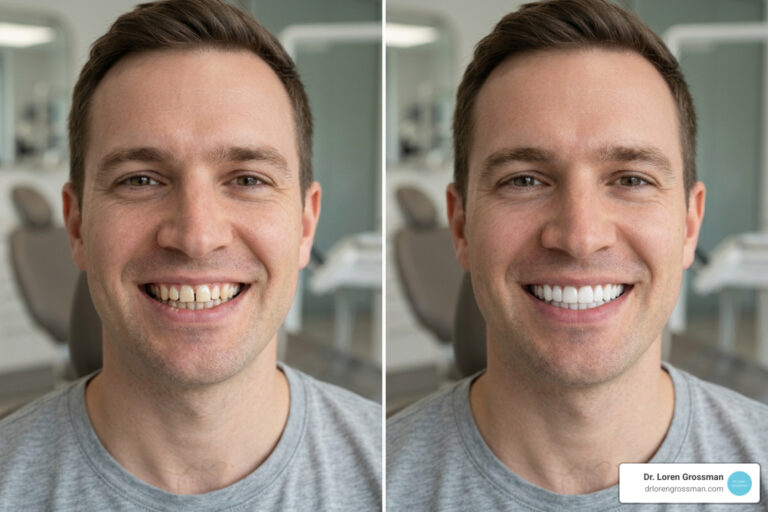
Orthodontics is no longer just a rite of passage for teenagers. Today, about 1 in 3 orthodontic patients are adults who want to invest in a healthier, more confident smile. Whether you want to fix minor crowding before an upcoming event or resolve a longstanding bite issue, choosing between clear aligners and traditional brackets is the first step.
At our Kingston practice, we look at tooth alignment through the lens of comprehensive oral health. Straight teeth not only enhance your appearance, but they also reduce your risk of gum disease, abnormal enamel wear, and jaw strain.
Invisalign vs. Braces in Pennsylvania: Understanding the Key Differences

When deciding between these two proven systems, understanding how each delivers force to your teeth is essential. Both methods guide teeth into ideal positions, but their mechanisms, daily demands, and aesthetics differ significantly. Comprehensive orthodontic care and appliance selection ensure your choice aligns with your lifestyle and clinical needs.
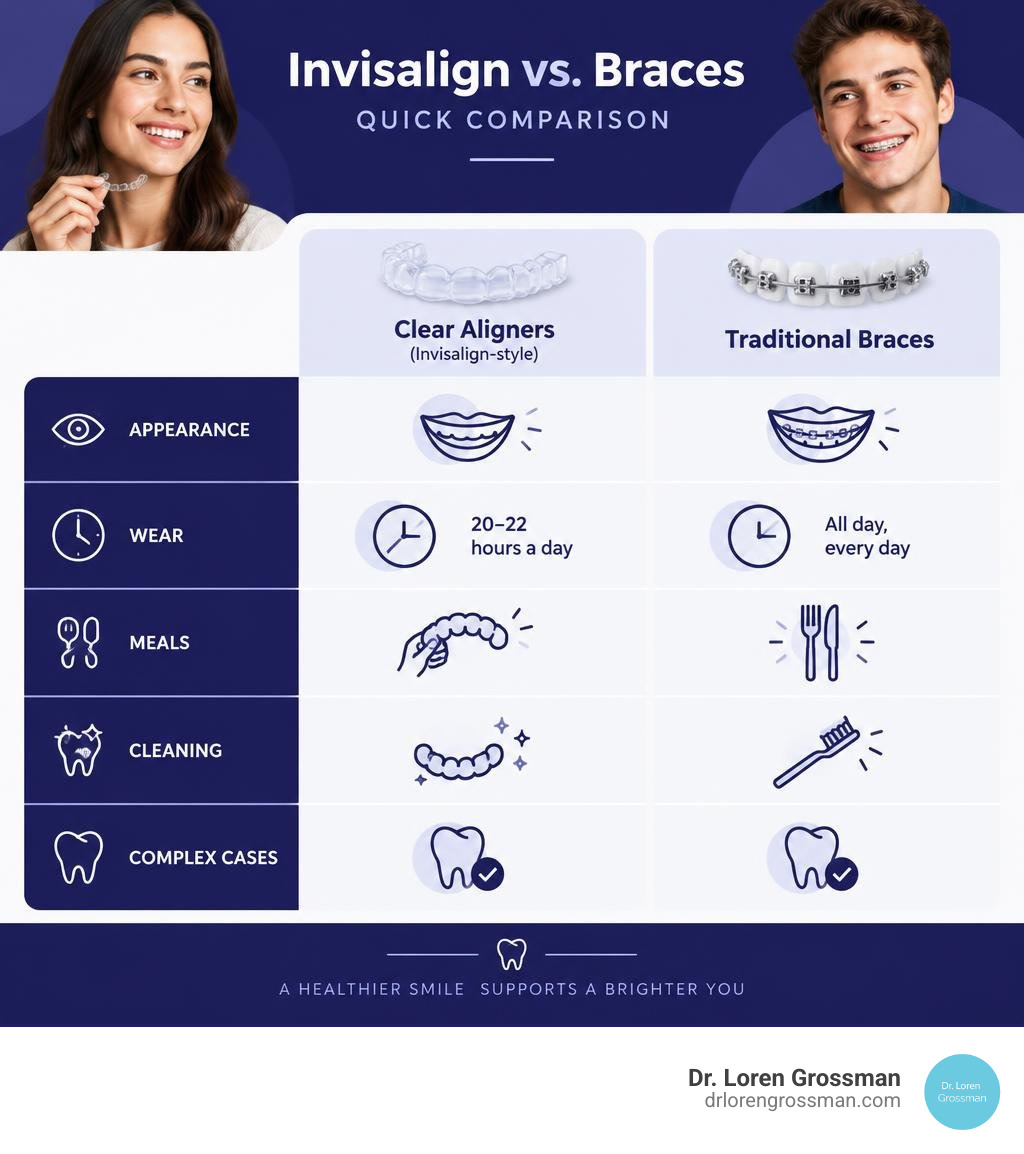
| Feature | Invisalign Clear Aligners | Traditional Fixed Braces |
|---|---|---|
| Material & Look | Clear, medical-grade SmartTrack plastic | Stainless steel or ceramic brackets with archwires |
| Visibility | Discreet, nearly invisible | Noticeable brackets (metal or tooth-colored) |
| Removability | Removable for eating, drinking, and cleaning | Fixed permanently until treatment ends |
| Daily Wear Time | 20 to 22 hours per day | 24/7 continuous wear |
| Dietary Limits | None (remove aligners to eat) | Avoid hard, sticky, or crunchy foods |
| Oral Hygiene | Standard brushing and flossing | Requires floss threaders or water flossers |
| Check-In Routine | Brief checks every 6 to 10 weeks | In-office adjustments every 4 to 6 weeks |
Clear Aligners and Modern Removable Orthodontics
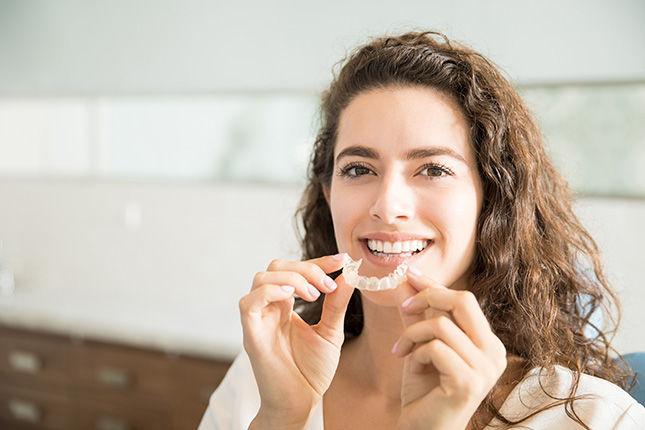
Invisalign relies on a series of custom-molded trays made from patented SmartTrack material. Each set applies calibrated, gentle pressure to specific teeth. Patients wear their trays for approximately one to two weeks before advancing to the next set in the sequence.
The most celebrated advantage of clear aligners is discretion. Adults in professional environments can speak and smile naturally without drawing attention to their treatment. Because they are removable, you can maintain your regular diet and clean your teeth normally. However, this flexibility requires strict self-discipline: removing them for more than 2 to 4 hours a day will stall your progress.
Traditional Fixed Brackets and Biomechanics
Traditional braces use medical-grade stainless steel or ceramic brackets bonded directly to the enamel, connected by flexible archwires and small elastics. By periodically tightening or changing these wires, we apply continuous, 24/7 biomechanical force to guide teeth into place.
Because brackets are bonded directly to the tooth surface, they provide exceptional three-dimensional control. Braces excel at complex rotational adjustments, bodily root movements, and vertical tooth extrusion. For patients who prefer a “set it and forget it” system without tracking daily wear hours, fixed appliances provide reliable, continuous progress.
Clinical Effectiveness: Which System Handles Complex Cases Best?
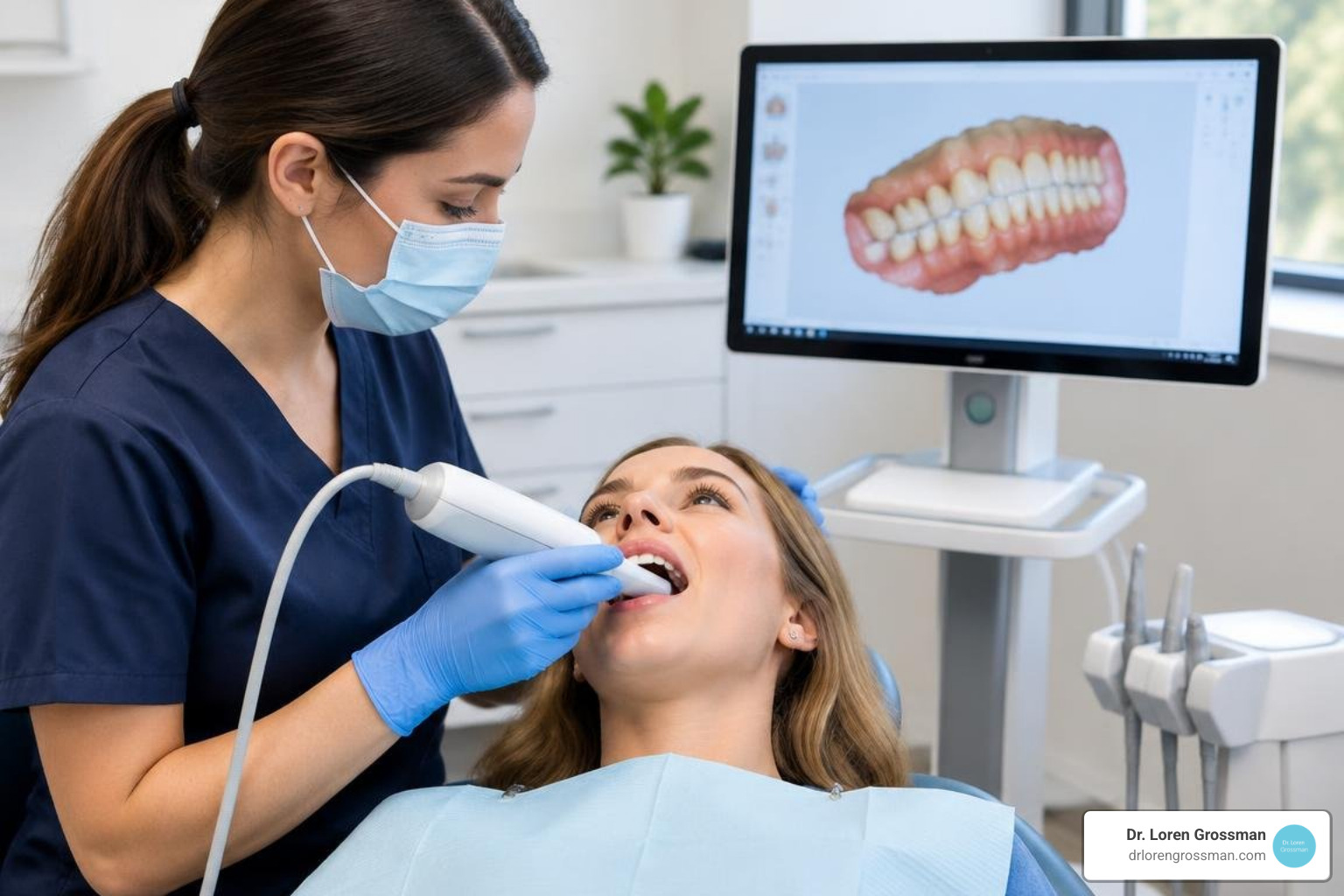
Modern clear aligners have advanced dramatically over the past decade. Thanks to composite tooth-colored attachments (small shapes temporarily bonded to teeth) and specialized elastics, Invisalign can correct mild, moderate, and many complex malocclusions.
Still, severe skeletal discrepancies, deep overbites, severe underbites, and severe crossbites often respond faster and more predictably to traditional fixed braces. Fixed brackets allow us to use specialized auxiliary appliances that clear aligners cannot always anchor effectively. Clinical reviews in publications like The Journal of the American Dental Association emphasize that practitioner expertise and case complexity dictate the best tool for the job.
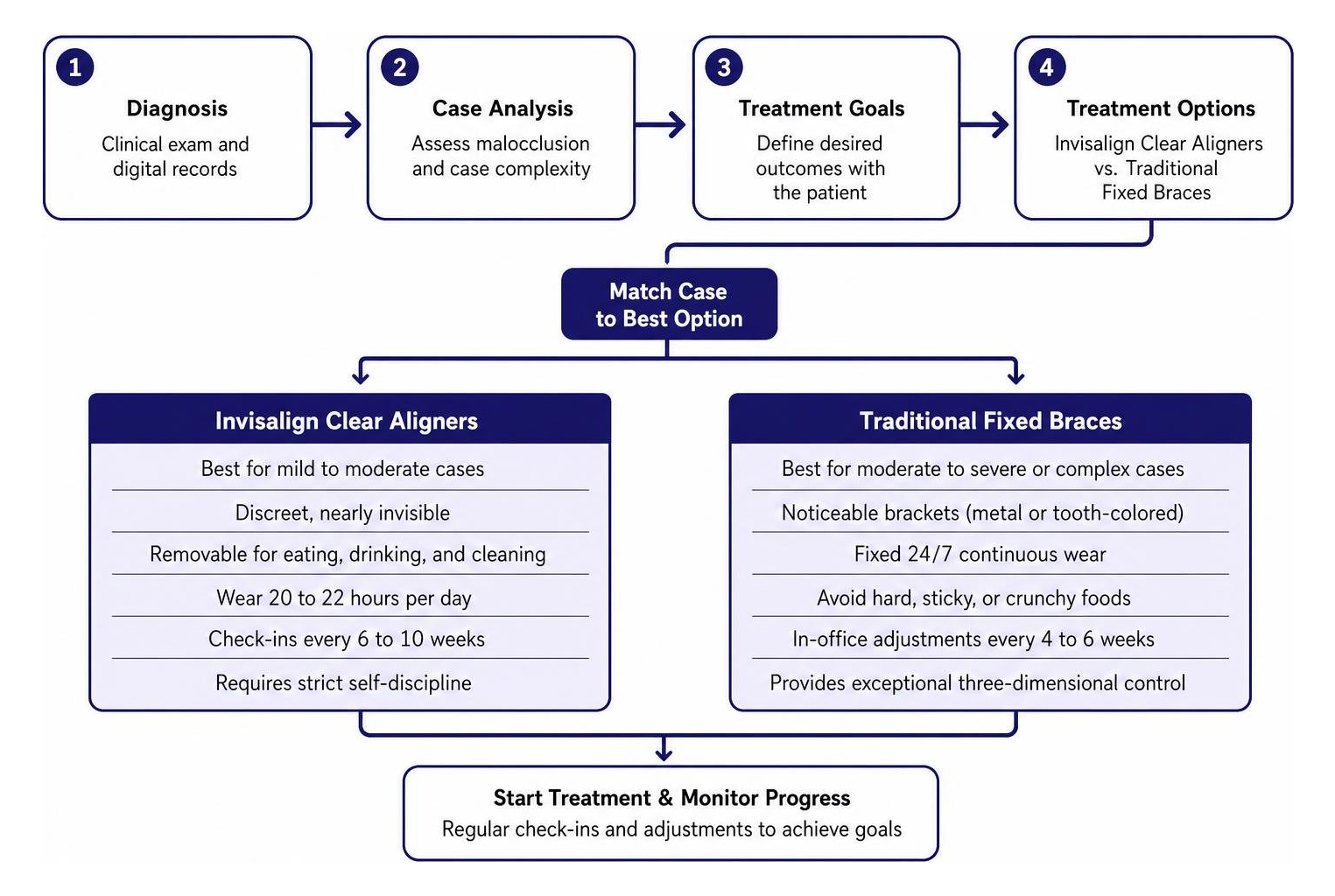
Treating Severe Crowding and Extractions: Invisalign vs. Braces in Pennsylvania
When severe crowding requires premolar extractions to create space, closing those extraction gaps requires moving adjacent teeth bodily rather than just tipping their crowns.
- Braces: Metal archwires guide roots and crowns parallel to one another through extraction spaces with predictable precision.
- Invisalign: Clear aligners can close extraction spaces using specialized SmartForce attachments and power ridges, but this demands absolute adherence to the 20 to 22-hour daily wear rule. Any lapse in wear time can cause teeth to tip inward rather than translate bodily across the bone.
Alternative Smile Transformations for Misaligned Teeth
Orthodontic movement is not the only way to resolve aesthetic concerns. For adult patients seeking faster cosmetic improvements or dealing with chipped, worn, or discolored enamel alongside mild crowding, restorative dentistry offers compelling options:
- Porcelain Veneers: Explore veneers versus clear aligners to determine whether masking minor misalignment with custom porcelain shells achieves your goals faster than moving teeth.
- Cosmetic Tooth Straightening: Discover modern methods for teeth straightening without braces, including aesthetic recontouring and dental bonding.
- Comprehensive Esthetic Dentistry: Learn about targeted cosmetic solutions for crooked teeth that address both shape and spacing simultaneously.
Daily Lifestyle, Maintenance, and Compliance
Your daily routine plays a massive role in choosing between Invisalign and braces.
Diet and Oral Hygiene
With braces, you must avoid hard, crunchy, and sticky foods—such as whole apples, popcorn, hard pretzels, and caramel—which can dislodge brackets or bend wires. Brushing and flossing require dedicated tools like interdental brushes and floss threaders to remove trapped food and prevent enamel demineralization (white spot lesions).
With Invisalign, there are zero dietary restrictions. You remove your aligners before eating or drinking anything other than cool water. However, you must brush your teeth before putting your aligners back in to avoid trapping sugars and bacteria against your enamel.
Patient Responsibility and Treatment Timelines
Invisalign places the timeline directly in your hands. If you leave your aligners in their case or forget them after meals, your teeth will fail to track properly, extending treatment duration.
Braces eliminate compliance worries because they work around the clock. The trade-off is managing occasional bracket irritation or emergency appointments for loose wires, whereas clear aligners rarely cause soft tissue emergencies.
Cost, Insurance, and Value: Invisalign vs. Braces in Pennsylvania
In Northeastern Pennsylvania, the overall cost of Invisalign is typically comparable to traditional braces. Factors affecting your investment include:
- Case Complexity: Mild spacing corrections cost less and take fewer months than complex bite realignments.
- Dental Insurance: Many PA dental benefit plans include adult orthodontic benefits with a lifetime maximum that applies equally to clear aligners and fixed braces.
- HSA & FSA Accounts: Health Savings Accounts and Flexible Spending Accounts allow you to use pre-tax dollars for your orthodontic care.
- Flexible Financing: We offer in-house payment options to keep monthly payments predictable and manageable.
Frequently Asked Questions About Orthodontic Care in PA
How long does treatment take with Invisalign compared to braces for adults?
For most adult cases, treatment duration ranges from 12 to 18 months for both Invisalign and traditional braces. Mild cosmetic alignment can take as little as 6 months with clear aligners, while severe malocclusions or extraction cases may require 24 months or longer regardless of the system used.
Can Invisalign treat complex bite issues and extraction cases?
Yes. With advanced 3D treatment planning, SmartForce attachments, and intermaxillary elastics, Invisalign successfully corrects many deep overbites, open bites, and extraction cases. During your initial evaluation, we assess whether clear aligners or fixed appliances will deliver the most stable, long-term outcome.
Does dental insurance in Pennsylvania cover clear aligners as well as braces?
Most dental insurance policies that offer adult orthodontic benefits cover clear aligner therapy under the same benefit category as traditional metal braces. Our Kingston office team assists you in verifying benefits, filing claims, and maximizing your available coverage.
Conclusion: Finding the Right Smile Solution in Northeastern PA
Choosing between clear aligners and fixed brackets is a personal decision that balances aesthetics, everyday convenience, case complexity, and discipline. Both systems deliver healthy, beautifully aligned smiles when planned with precision.
Whether you are interested in discrete clear aligners, traditional approaches, or alternative aesthetic enhancements, our team is here to guide you. Discover your options with customized Invisalign treatment and smile transformation solutions designed specifically for your goals. Schedule your consultation with our Kingston practice today to take the first step toward a radiant, confident smile.