Why Veneers Sometimes Come Loose
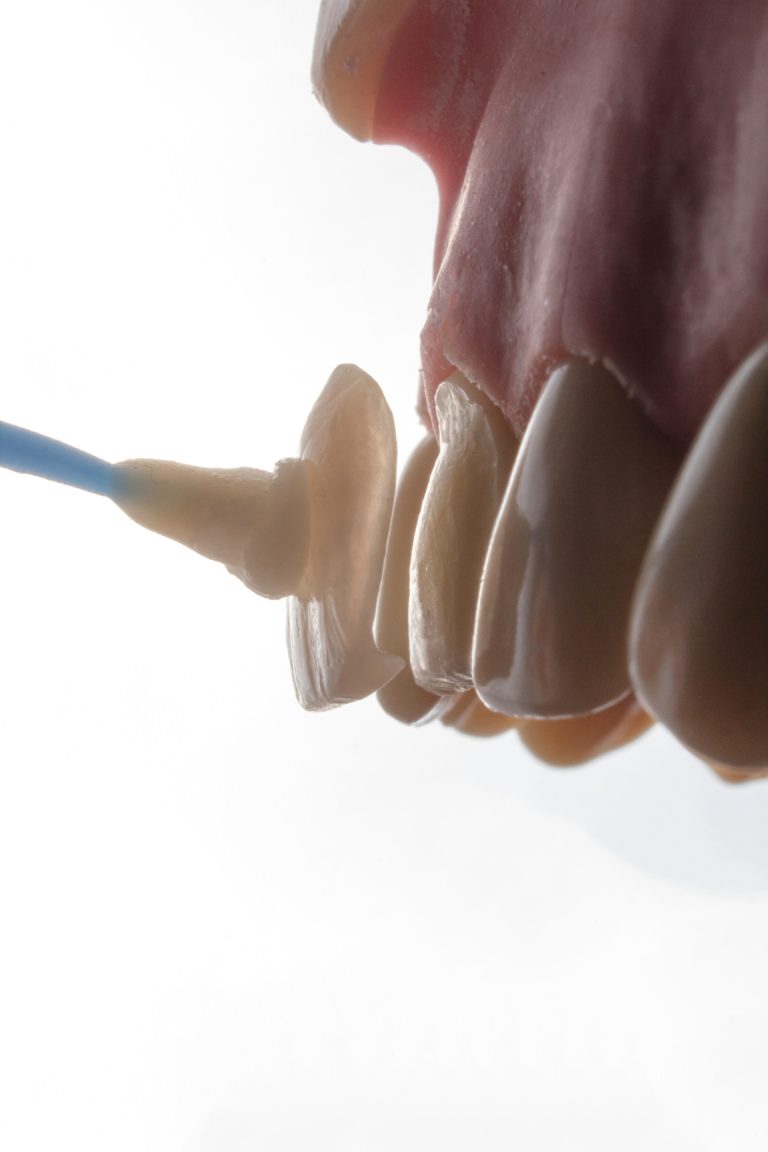
Veneers falling off can feel like a minor disaster, especially if you rely on your smile for confidence. The good news? It’s more common than you think, and in most cases, it’s fixable.
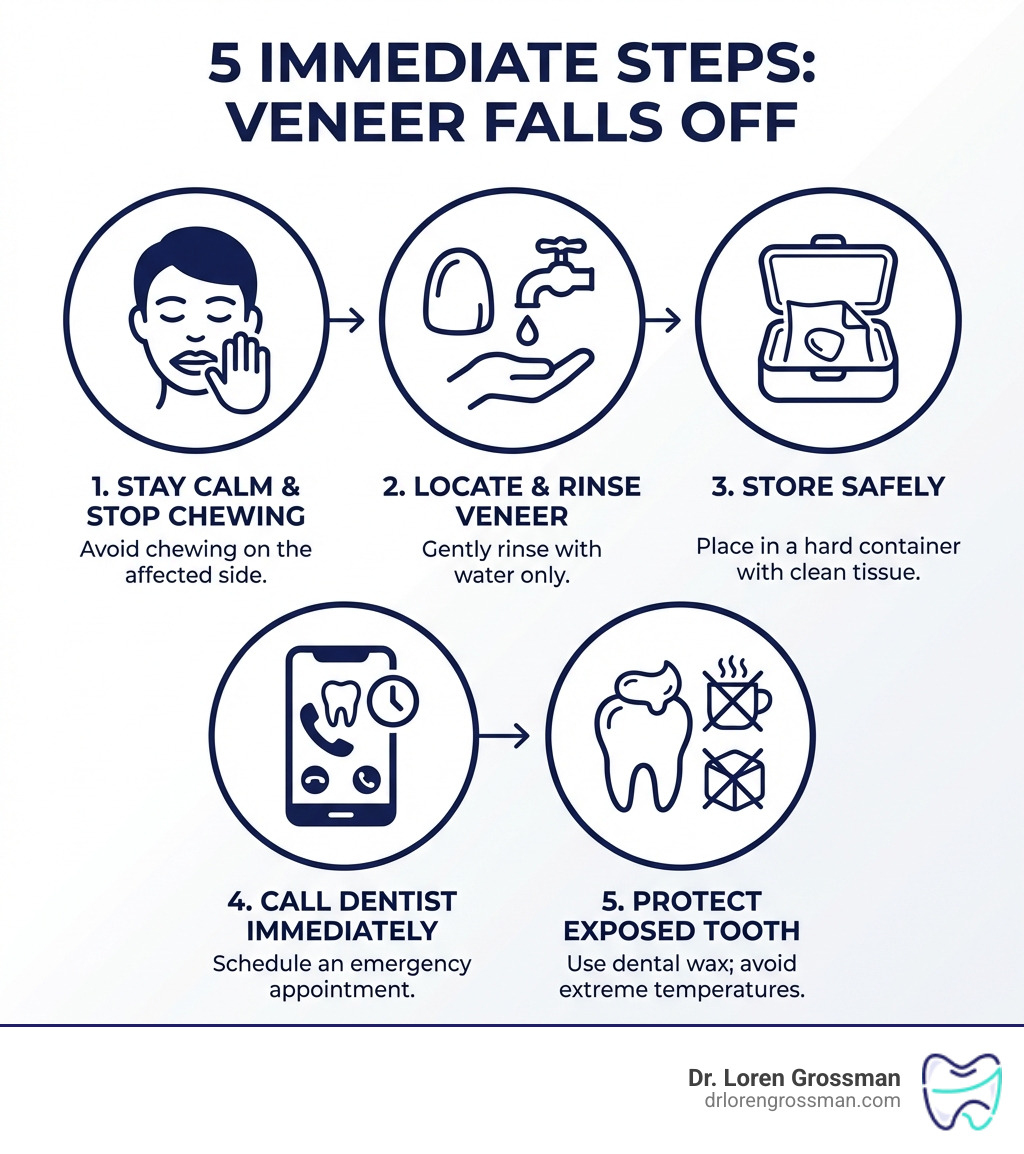
If your veneer just fell off, here’s what to do right now:
- Stay calm – This is not a dental emergency in most cases
- Find and rinse the veneer gently with water (no soap)
- Store it safely in a clean, hard container wrapped in tissue
- Call your dentist immediately to schedule an appointment
- Protect the exposed tooth by avoiding hot, cold, or hard foods
- Never use superglue or household adhesives to reattach it
According to clinical data on dental restorations), approximately 7.2% of patients with veneers experience some form of failure like loosening or detachment. While veneers are designed to last 10-15 years (and porcelain veneers can last up to 25 years), they can come off prematurely due to adhesive failure, tooth decay underneath, teeth grinding, physical trauma, or poor initial bonding technique.
Understanding why this happens matters. A veneer doesn’t just randomly fall off – there’s always an underlying cause. Identifying that cause helps prevent it from happening again and determines whether your veneer can be reattached or needs replacement.
I’m Dr. Loren Grossman, and over my 40+ years of cosmetic dentistry practice in Northeastern Pennsylvania, I’ve successfully handled countless cases of veneers falling off, helping patients understand the causes and restore their smiles quickly. Whether it’s a simple rebonding or a complete replacement, addressing this issue promptly protects both your tooth and your confidence.
Common Causes of Veneers Falling Off
When a veneer detaches, it’s rarely a random act of rebellion. Usually, there is a technical or biological reason behind the failure. In our experience serving patients in Kingston and Wilkes-Barre, we’ve found that understanding the “why” is the first step toward a permanent fix.
Bonding and Adhesive Failure
The most common culprit is a breakdown in the bond between the porcelain and your tooth. Dental veneers procedure details involve a meticulous etching and cementation process. If moisture was present during the initial placement, or if the bonding resin has simply reached the end of its lifespan, the veneer may lose its grip.
Tooth Decay and Oral Health
While the porcelain itself cannot decay, the natural tooth structure underneath it certainly can. If a cavity develops along the margin where the veneer meets the tooth, it can change the shape of the foundation, causing the veneer to loosen. This is why we emphasize perfect smile maintenance-your veneers are only as strong as the teeth supporting them.
Bruxism (Teeth Grinding)
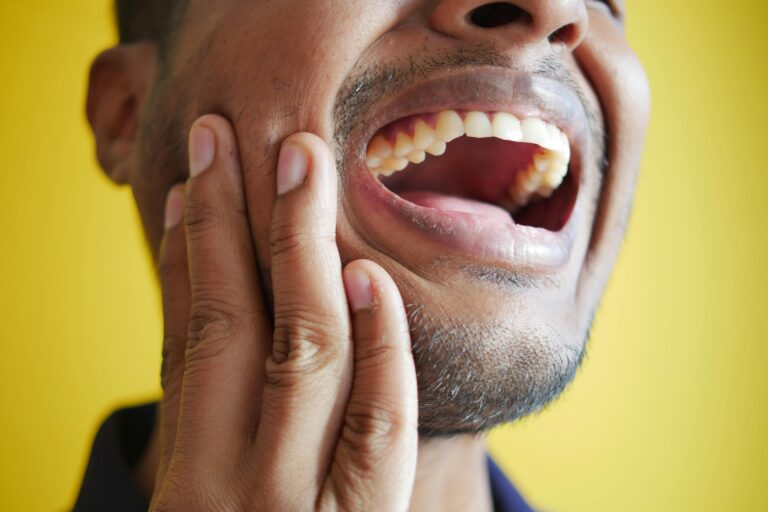
If you wake up with a sore jaw or notice your veneers feel “loose” in the morning, you might be grinding your teeth. This habit, known as bruxism, puts immense pressure on the thin porcelain shells. Over time, this constant shearing force can snap the bond.
Physical Trauma and Habits
A sudden impact-like a sports injury or a hard blow to the face-can knock a veneer loose. Similarly, habits like biting into ice, chewing on pens, or using your teeth as tools to open packages are recipe for disaster.
Aging and Structural Changes
As we age, our jawbones can shift slightly, and our gums may recede. These subtle changes can alter the fit of your veneers. Research indicates a 7.2% failure statistic across the industry, often linked to these long-term changes or poor initial dental technique where the tooth wasn’t prepped correctly.
Signs of a Loose Veneer
You don’t always have to wait for the veneer to fall out to know something is wrong. Keep an ear and a feeling out for:
- Movement: A slight wobble when you run your tongue over the tooth.
- Clicking Sounds: A faint sound when you bite down or speak.
- Food Traps: Suddenly finding that floss gets stuck or food collects around the edges.
- Sensitivity: Increased sensitivity to hot or cold, suggesting the seal is broken.
- Lifting Edges: Feeling a rough or raised margin where the veneer meets the gum line.
If you notice these signs, it’s time to understand the veneer process and schedule an evaluation before the piece falls off entirely.
Impact of Poor Oral Habits
We often tell our patients in Scranton and Dallas that veneers are strong, but they aren’t indestructible. Biting into a hard apple or a piece of sourdough crust with your front teeth can create enough leverage to pop a veneer off. If you’re a nail-biter or an ice-chewer, you’re significantly increasing your risk of veneers falling off.
Immediate Steps: What to Do if Your Veneer Falls Off
If you find yourself holding your veneer in your hand, don’t panic. While it’s startling to see your “prepped” tooth in the mirror, following a specific step-by-step guide to handling a fallen veneer can save the restoration and your tooth.
Step 1: Find and Protect the Veneer
If the veneer comes off while you’re eating, gently remove it from your mouth. Rinse it under lukewarm water to remove any debris. Do not scrub it, as you don’t want to damage the delicate porcelain or the remaining bonding agent on the back.
Step 2: Safe Storage
The goal is to keep the veneer intact so we can potentially rebond it.
- Hard Case: Use a clean pillbox or a small Tupperware container.
- Tissue Wrap: Wrap the veneer in a soft tissue or gauze to prevent it from rattling around.
- Labeling: If you have multiple veneers, label the container so you know which tooth it belongs to.
- Cool, Dry Place: Keep it away from extreme heat, which could warp certain materials.
Knowing the different veneer types and materials helps us determine if a repair is possible. Porcelain is generally sturdy enough to be cleaned and reused if it hasn’t cracked.
Step 3: Protect Your Exposed Tooth
When a tooth is prepped for a veneer, a small amount of enamel is removed. You can learn more about this in our article on enamel preparation facts. Without the veneer, the underlying dentin may be exposed, leading to:
- Sensitivity: Extreme reactions to cold air or hot liquids.
- Roughness: The tooth might feel sharp to your tongue.
- Vulnerability: The tooth is more susceptible to plaque buildup.
Rinse your mouth with warm salt water to keep the area clean and reduce the risk of irritation.
Temporary Solutions for Sensitivity
If you cannot get to our Kingston or Dallas office immediately, there are a few basics of veneer care you can apply at home:
- Orthodontic Wax: Apply a small amount of clear dental wax over the front of the tooth. This creates a barrier against temperature and smooths out rough edges.
- Temporary Dental Cement: Some drugstores sell over-the-counter temporary cement. Use this only if your tooth is extremely sensitive and you’ve spoken to us first.
- Soft Diet: Avoid chewing on the side of the missing veneer. Stick to soft foods like yogurt, mashed potatoes, or soup.
Professional Solutions and Prevention
Once you arrive at our office, we will perform a comprehensive assessment to determine the best path forward.
| Feature | Rebonding Existing Veneer | Replacing with New Veneer |
|---|---|---|
| Condition | Veneer must be 100% intact | Required if cracked or chipped |
| Cost | Generally lower ($100 – $500) | Higher ($500 – $2,500+) |
| Time | Single short visit | Two visits (prep + placement) |
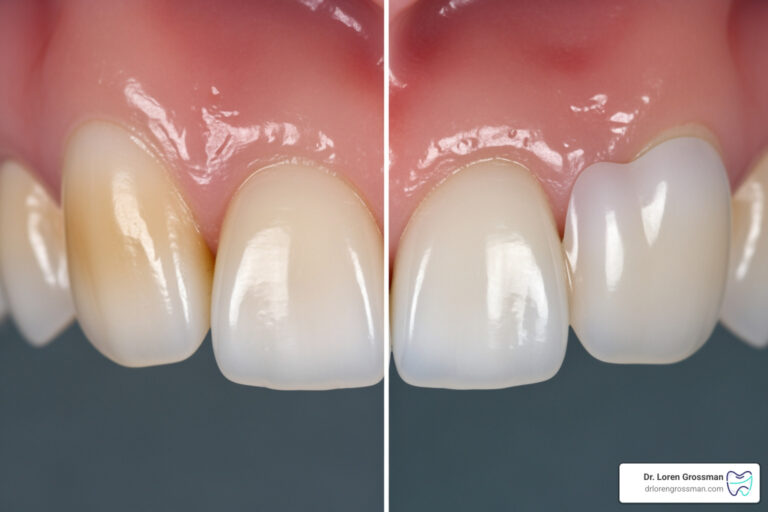
| Longevity | Depends on underlying cause | Fresh start with new bond |
What Happens During the Dentist Visit?
When you visit us for veneer procedures in Kingston, PA, here is what you can expect:
- Assessment: We check the veneer for micro-fractures and the tooth for decay.
- Cleaning: We remove old bonding resin from both the tooth and the veneer.
- Re-etching: We slightly roughen the surfaces to ensure a “mechanical” grip.
- Bonding: Using high-grade resin, we secure the veneer back in place.
- Bite Adjustment: We check your occlusion to ensure no “high spots” caused the detachment.
Having veneer process knowledge ensures you understand that this isn’t just about “gluing” it back on; it’s about re-engineering the bond.
Long-Term Prevention
To prevent veneers falling off in the future, we recommend:
- Night Guards: If you grind your teeth, a custom-fitted guard is your veneer’s best friend.
- Custom Mouthguards: Essential for our patients involved in local sports.
- Non-Abrasive Toothpaste: Use gels rather than gritty pastes to protect the margins.
- Regular Checkups: We can spot “lifting” edges during your routine cleanings before they become a problem.
For a deeper dive into maintaining your results, check out our comprehensive guide to smile transformations.
Frequently Asked Questions
Is it a dental emergency if a veneer falls off?
While it feels like an emergency, it is usually considered an “urgent” matter rather than a life-threatening one. If you are in significant pain or the tooth is sharp enough to cut your lip, we treat it with higher priority. However, the main urgency is aesthetic and protective. You want to get it fixed next quickly to prevent the tooth from shifting or decaying.
Can I use superglue on veneers falling off?
Absolutely not. This is the most important “don’t” in dental care. Superglue is toxic to human tissue and can cause chemical burns on your gums. Furthermore, it creates a thick, uneven layer that makes it impossible for us to properly seat the veneer later. It also traps bacteria against your tooth, which can lead to rapid decay.
How long do veneers last before falling off?
Most veneers have a 10-15 year lifespan. However, with the high-quality porcelain we use and proper maintenance, many of our patients see their veneers last 25 years. Durability is a partnership between our technical skill and your daily habits.
Conclusion
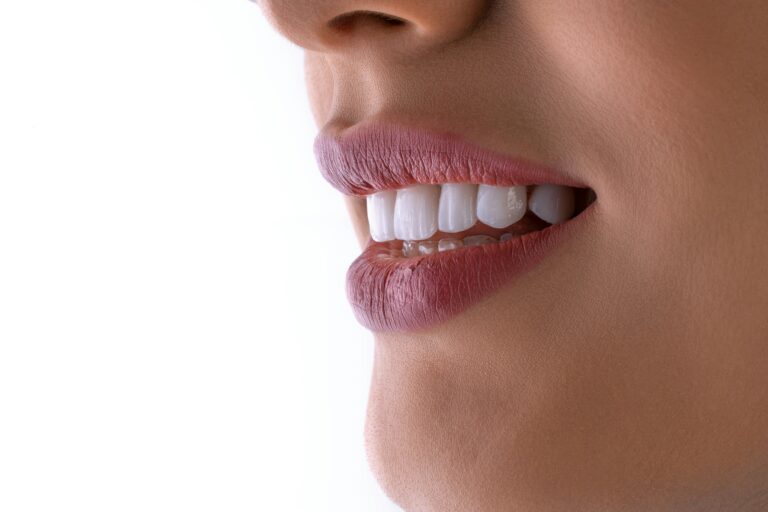
At the practice of Dr. Loren Grossman, we believe a beautiful smile is an investment in your quality of life. Whether you are in Kingston, Wilkes-Barre, Scranton, or Dallas, our team is dedicated to ensuring your cosmetic dentistry stands the test of time. If you are dealing with veneers falling off or simply want to upgrade your smile with a team that uses the latest technology and a patient-focused approach, we are here to help.
Don’t let a missing veneer steal your confidence. Schedule your dental veneer consultation with us today and let’s get your smile back on track!