Why Wilkes-Barre Families Choose One Dentist for Every Age
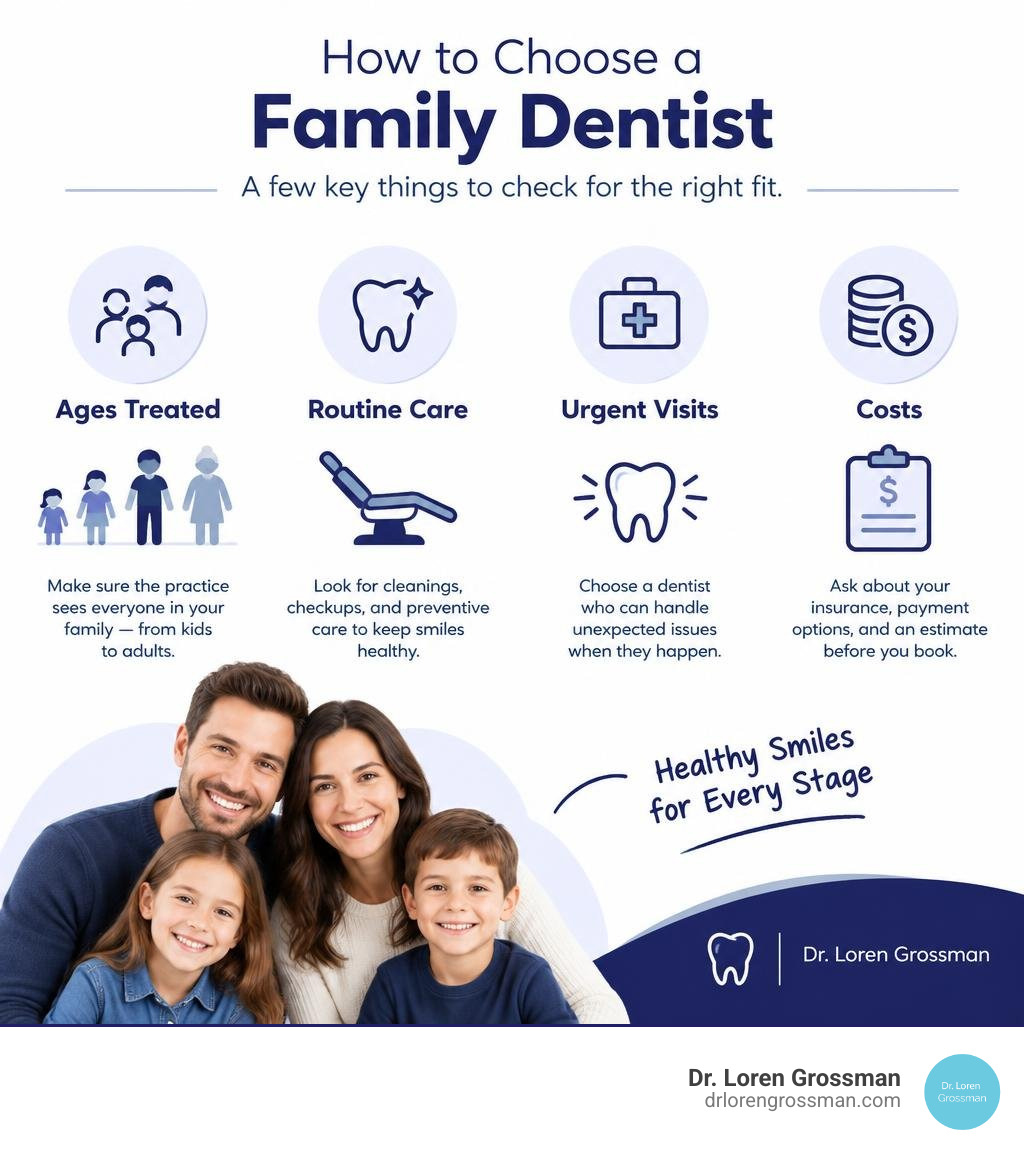
Looking for a family dentist in Wilkes-Barre, PA? Start with a practice that sees both children and adults. Ask which ages it treats, how it handles urgent visits, and whether it accepts your insurance. Request an estimate of your costs before booking.
One dentist for the family can make visits easier to plan and help everyone build a steady care routine. A familiar team may also help children feel more at ease as they grow.
I’m Dr. Loren Grossman, and I’ve cared for Wyoming Valley families since 1984 as a family dentist in the Wilkes-Barre, PA, area. My work spans children’s fillings, general dentistry, and more complex care, so I know how much families value clear answers and personal attention.
5 Reasons Families Choose a Family Dentist in Wilkes-Barre, PA
Juggling school pickups, work shifts, and three different dentist appointments is nobody’s idea of fun. Here is why so many local parents are consolidating.
- Coordinated care. One team sees the whole picture, from a toddler’s first tooth to a grandparent’s crown.
- A familiar team. Children who know the faces in the office tend to feel calmer. Adults get the same comfort.
- Shared records. Family history, such as cavity-prone teeth or gum concerns, stays in one place and helps us spot patterns early.
- Easier scheduling. Back-to-back appointments can save you extra trips and extra time off work.
- A focus on prevention. Catching small problems early is gentler on teeth and on your budget.
Prevention matters here. Roughly 1 in 4 adults in Pennsylvania has untreated tooth decay, and over 20% of children aged 5 to 19 in the state have untreated cavities. Luzerne County also has about 4.5 dentists per 10,000 residents, compared with a national average of 6.1. With fewer providers per person, finding a practice that welcomes the whole household is a real advantage.
One family dentist in Wilkes-Barre, PA can care for different ages
Teeth change a lot over a lifetime, and a good family practice changes with them. Here is how care typically looks at each stage:
- Infants and toddlers: A first visit around the first birthday or when the first tooth appears. We check development and answer feeding, pacifier, and thumb-sucking questions.
- Children: Cleanings, cavity prevention, and building comfortable habits.
- Teens: Monitoring wisdom teeth and bite changes, and coaching on sports safety and sugary drinks.
- Adults: Exams, cleanings, fillings, gum care, and restorations as life happens.
- Older adults: Attention to dry mouth, worn teeth, gum health, and dentures or crowns.
Seeing one team through every stage is the idea behind family dental care through every life stage. The foundation for all of it is general dentistry, which covers the exams, cleanings, and treatments most families need again and again.
Services families can often find under one roof
A family practice usually covers the everyday essentials so you do not have to hunt for a specialist for each one:
- Exams and X-rays: To find problems you cannot see or feel yet.
- Cleanings: To remove plaque and tartar that brushing misses.
- Fillings: To repair cavities and protect the tooth.
- Sealants: Thin protective coatings placed on the chewing surfaces of back teeth, often for children.
- Fluoride treatments: To strengthen enamel.
- Gum care: To catch and treat gum disease before it advances.
For younger patients, pediatric dentistry focuses on gentle, age-appropriate care. You can also see the full range in our overview of family dental services in Wilkes-Barre.
How to Choose a Family Dentist in Wilkes-Barre, PA
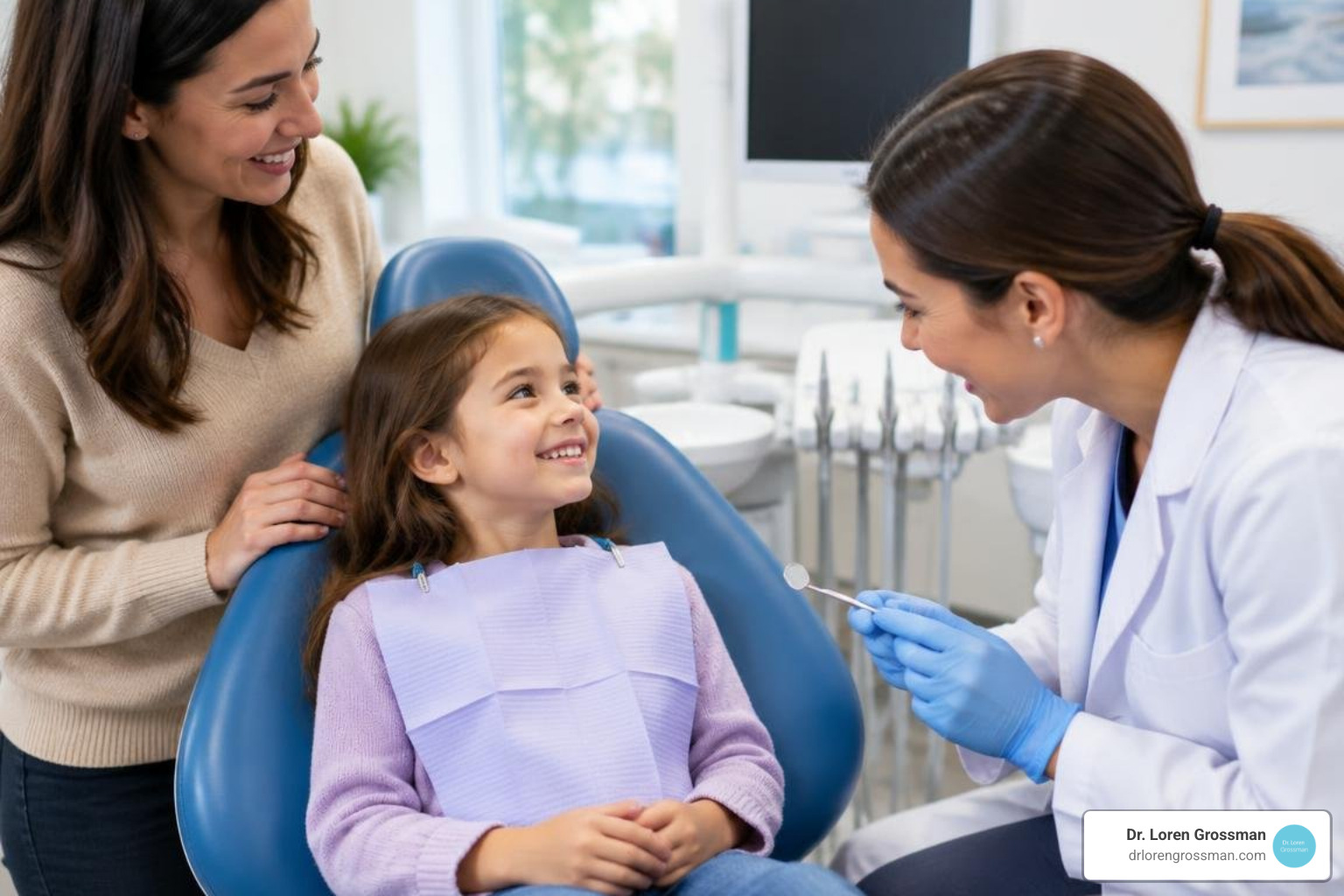
Not every office is the right fit for every family. A few simple questions will tell you most of what you need to know. Think about how the staff communicates, how easy the office is to reach, and how clearly they discuss costs.
What to look for in a family dentist in Wilkes-Barre, PA
- A child-friendly approach. Look for a team that explains what it is doing in kid-sized language and lets children ask questions. Bonus points if nobody calls the drill a “buzzy bee” and then lies about it.
- Clear explanations. You should leave knowing what was found, what is recommended, and why.
- A preventive mindset. Good practices talk about keeping teeth healthy, not only fixing them.
- An accessible location. Easy parking, simple entry, and a location near home or school make routine visits more likely to happen. Our Kingston office serves families throughout the Wilkes-Barre area.
- Flexible appointments. Ask about early, late, or back-to-back family slots.
For a closer look at the full scope of care, see what family dentists do for patients of all ages.
Cost is a big reason people skip care. The American Dental Association reports that 42% of U.S. adults do not visit a dentist as often as they would like, often because of cost or access. A little homework up front can help.
How to check costs and coverage before booking
- Check the insurance network. Ask whether the office is in network with your plan, and confirm with your insurer too.
- Understand your benefits. Know your annual maximum, deductible, and how preventive care is covered.
- Ask for a written estimate. Request it before any treatment beyond a routine visit, so there are no surprises.
- Ask about payment plans. Many offices can discuss payment options or financing for larger treatments.
- Ask about new-patient policies. Find out what to bring, whether records transfer easily, and what a first visit includes.
Plan Routine, At-Home, and Urgent Dental Care

Great dental health comes from three things: regular visits, solid habits at home, and a plan for when something goes wrong.
Checkup timing, prevention, and home care
Six months between checkups is a common starting point, but it is not a rule carved in stone. Some people do well with longer gaps. Others, such as those with gum disease or frequent cavities, may need to come in more often. Your dentist can set a schedule based on your risk.
At home, the basics still win:
- Brush twice a day for two minutes with fluoride toothpaste.
- Floss daily, or help young children until they can do it themselves.
- Drink water, especially after snacks and sweet drinks.
- Limit sticky, sugary snacks between meals.
- Replace toothbrushes every three months or after an illness.
Oral health also connects to the rest of the body. Some research links good gum health with better heart health, and one commonly cited figure suggests regular dental visits may lower heart disease risk by up to 20%. That is another reason to keep appointments, even when your teeth feel fine.
Emergency visits and anxiety support
Dental emergencies rarely pick a convenient time. Call your dentist promptly if you have:
- A severe or persistent toothache
- A chipped or broken tooth
- A knocked-out tooth
- Facial or gum swelling
For a knocked-out adult tooth, handle it by the crown, not the root, and get to a dentist quickly. Swelling with fever or trouble swallowing or breathing needs emergency medical care right away. When you call our office, we will ask about your symptoms and help arrange the earliest appropriate visit. Ask about after-hours instructions before you need them.
Dental anxiety is common, and you are not alone. Tell us if you are nervous. Many practices offer comfort measures and sedation options for suitable patients. Ask what is available, which option fits your health history, and how safety is monitored. For reliable background reading, see this Scientific research on oral health overview from MedlinePlus.
Frequently Asked Questions About Family Dentists in Wilkes-Barre
How often should families schedule dental checkups and cleanings?
Every six months is a common routine, but your ideal interval depends on your individual risk for cavities and gum disease. Your dentist will recommend what is right for each family member.
Can one dentist see children and adults, and help with dental anxiety?
Yes. A family dentist treats a wide age range, and a pediatric-friendly approach helps younger patients feel comfortable. If anxiety keeps you from visits, ask for a consultation about comfort and sedation options.
What should I ask about insurance, payment plans, or dental emergencies?
Ask whether the office is in network with your plan, request an out-of-pocket estimate in writing, and ask about payment options. For emergencies, find out how to reach the office after hours and what to do while you wait.
Conclusion
Choosing one family dentist means fewer scheduling headaches, a team that knows your history, and a steady focus on preventing problems before they grow. For Wilkes-Barre families, that convenience can add up to healthier smiles at every age.
At Dr. Loren Grossman’s practice, we are glad to welcome parents, kids, and grandparents alike. Ready to take the next step? Explore family dental care for all ages and see how simple the whole family’s dental care can be.