Why a Brighter Smile Matters More Than Ever
Teeth whitening is a cosmetic dental procedure that lightens the color of your teeth by removing stains and discoloration. Here’s what you need to know:
Quick Overview:
- Active Ingredients: Hydrogen peroxide (6% or less) or carbamide peroxide (16% or less) break down stains through oxidation
- Main Methods: Professional in-office treatments, dentist-provided at-home kits, or over-the-counter products
- Results Duration: Typically 6 months to 3 years depending on lifestyle and maintenance
- Best Candidates: People with healthy teeth and gums, extrinsic stains from food/drinks/tobacco
- Who Should Avoid: Those under 18, pregnant individuals, people with gum disease or tooth decay
A radiant smile is powerful — boosting your confidence and making a lasting impression. Whether you’re preparing for a job interview, a wedding, or simply want to feel better about your appearance, whiter teeth can make you look younger, healthier, and more approachable.
The desire for a brighter smile isn’t new. Over 100 million Americans spend time and money whitening their teeth, with the industry reaching $15 billion in 2010. But with so many options available in 2026 — from whitening strips at the drugstore to professional laser treatments — how do you choose the safest and most effective method?
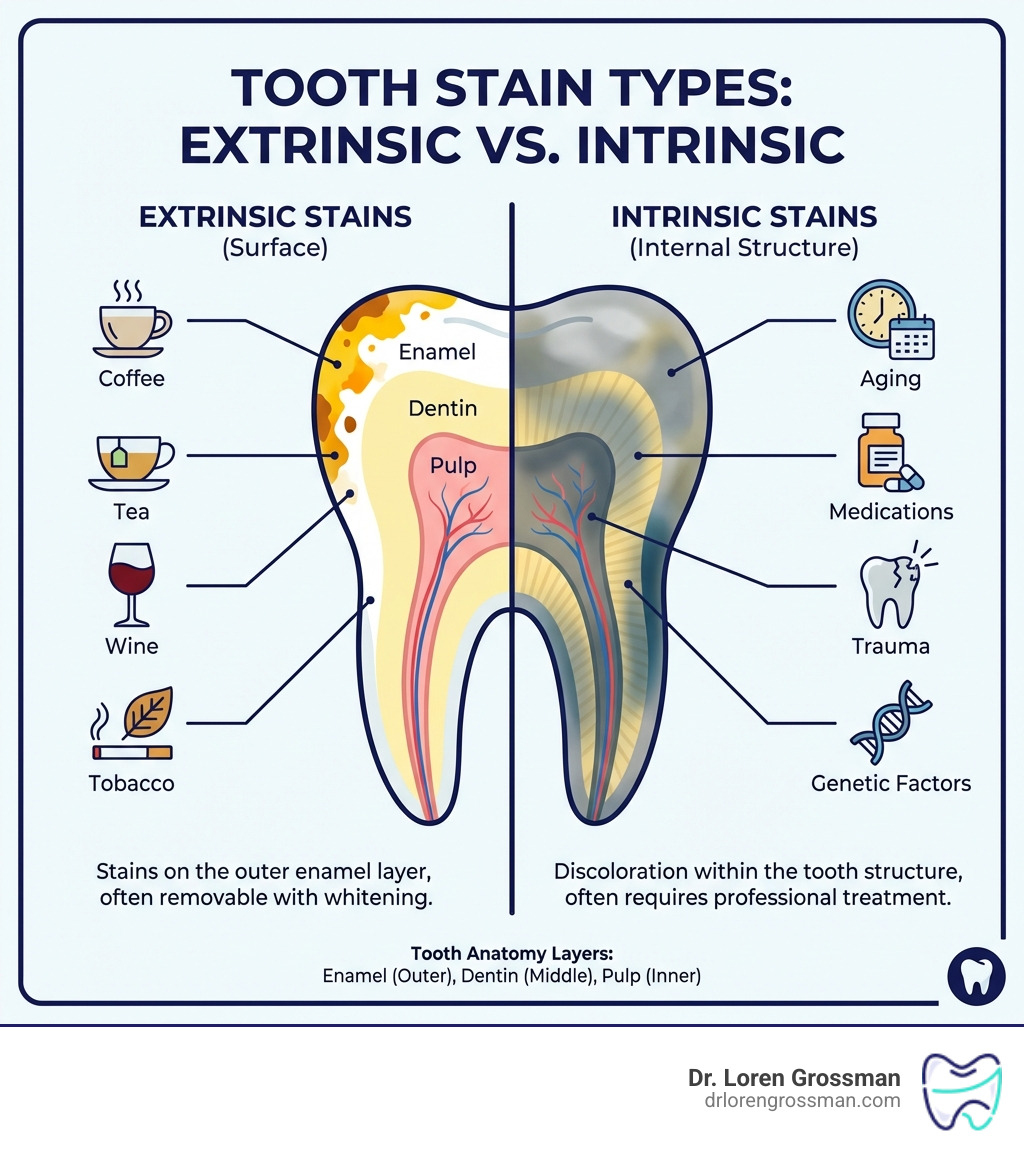
Understanding the difference between surface stains and deeper discoloration is the first step. Extrinsic stains sit on the tooth’s outer enamel layer and come from coffee, tea, red wine, tobacco, and certain foods. These respond well to most whitening treatments. Intrinsic stains occur inside the tooth structure — from aging, certain medications like tetracycline, or dental trauma — and may require more intensive professional treatment.
Not all whitening methods work equally well, and some carry risks if used incorrectly. Between 67% and 78% of people experience temporary sensitivity after professional whitening treatments. Over-the-counter products can be too abrasive or cause gum irritation if misused. That’s why professional guidance matters.
As Dr. Loren Grossman, I’ve been helping patients in Wyoming Valley achieve brighter, more confident smiles since 1984, using advanced teeth whitening systems like Zoom II as part of comprehensive cosmetic dental care. This guide will walk you through the science, safety, and real-world effectiveness of every major teeth whitening option available in 2026.
Professional vs. At-Home Teeth Whitening Systems
When we look at the landscape of teeth whitening today, the options generally fall into two categories: those you buy at a store in Wilkes-Barre or Scranton, and those we provide in a clinical setting. The primary difference lies in the chemistry and the concentration of active ingredients.
Most effective products rely on hydrogen peroxide or carbamide peroxide. Hydrogen peroxide is the “fast-acting” version; it breaks down quickly to release oxygen radicals that scrub away stains. Carbamide peroxide is a more stable complex that breaks down into hydrogen peroxide (at a ratio of about 1:3). This means a 16% carbamide peroxide gel is roughly equivalent to a 5.3% hydrogen peroxide gel.
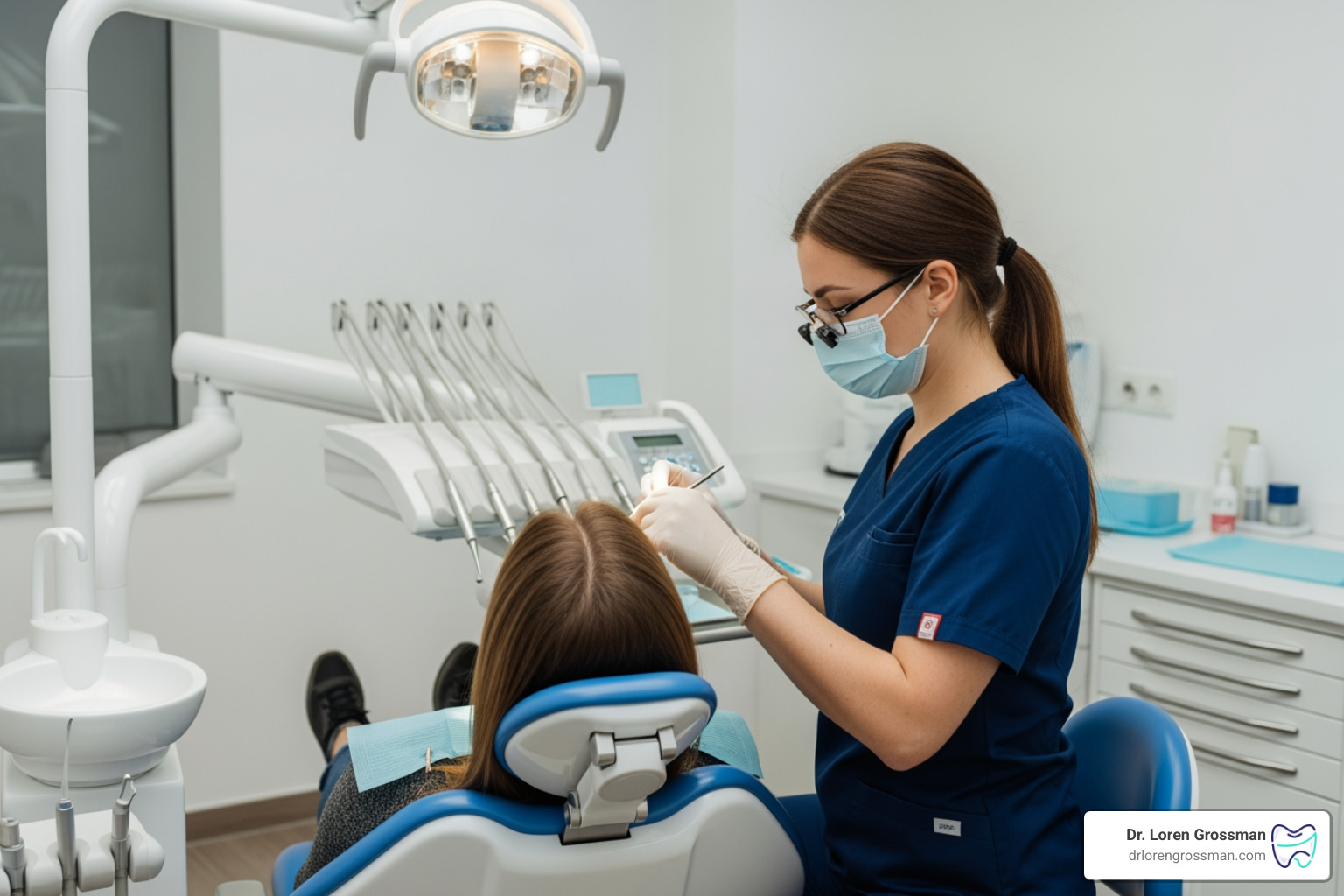
In-office treatments use much higher concentrations—sometimes up to 40% hydrogen peroxide—which are only safe when administered by a professional who can protect your gums. Over-the-counter (OTC) products are legally limited to much lower concentrations (typically 10% or less) to prevent accidental chemical burns to the soft tissues of your mouth.
| Feature | Over-the-Counter (OTC) | Professional In-Office |
|---|---|---|
| Peroxide Concentration | Low (3% – 10%) | High (25% – 40%) |
| Application Time | 10–14 days | 60–90 minutes |
| Gum Protection | Minimal (Standard strips/trays) | High (Gingival barriers/dams) |
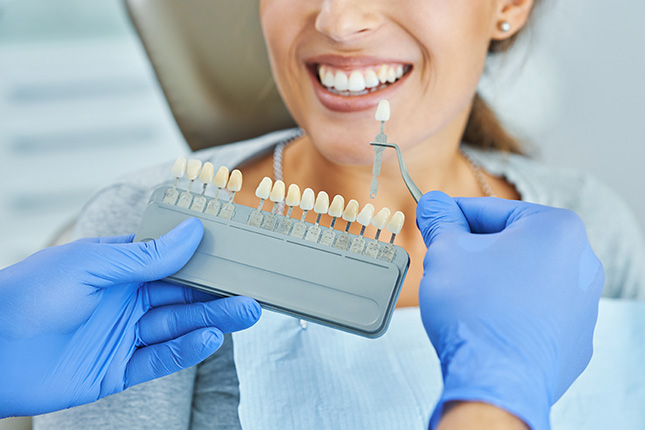
| Results | Subtle (1-2 shades) | Dramatic (2-7 shades) |
| Supervision | None | Clinical Professional |
According to Scientific research on whitening active ingredients, the time of exposure and the concentration of the compound are the two biggest factors in determining how white your teeth will get. If you are looking for the gold standard in speed and efficiency, More info about Zoom Teeth Whitening can help you understand how we achieve these results in just one visit.
Over-the-Counter Teeth Whitening Products
For those looking for a convenient option to use while watching TV at home in Kingston or Dallas, OTC products have come a long way.
- Whitening Strips: These are thin, flexible plastic films coated with a peroxide gel. They are popular because they ensure constant contact with the tooth surface.
- Paint-on Gels: These allow you to “paint” the whitener directly onto specific teeth, though they can be easily washed away by saliva.
- Tray-based Systems: Many store-bought kits include “boil-and-bite” trays. While better than nothing, they often don’t fit perfectly, leading to gel leaking onto the gums.
When shopping, always look for the ADA Seal of Acceptance. This seal ensures the product has been independently tested for both safety and effectiveness. You can read more about the ADA guidelines on whitening safety to see what standards these products must meet.
Professional In-Office Procedures
If you have a big event coming up in Northeastern Pennsylvania, like a wedding or a graduation, you probably don’t have two weeks to wait for strips to work. This is where chairside bleaching shines.
During an in-office procedure, we apply a professional-strength bleaching gel. Because the gel is so potent, we first apply a gingival barrier—a protective light-cured resin or rubber shield—to your gums. This prevents the “burning” sensation or white patches that can occur with high-strength peroxide.
Many systems are light-activated, using specific wavelengths of light to accelerate the chemical reaction. While the light itself doesn’t “whiten,” it helps the peroxide work faster. For patients in Kingston and Wilkes-Barre, we focus on providing more info about professional teeth whitening that balances speed with comfort.
The Science of Stain Removal: How Bleaching Works
To understand how we get your teeth white, we have to look at the tooth’s anatomy. Your enamel isn’t a solid wall; it’s actually a porous structure made of hydroxyapatite crystals. Over time, organic molecules called chromogens (pigments) get trapped inside these pores.
The whitening process is a chemical reaction called oxidation. When peroxide comes into contact with the tooth, it releases free radicals. These highly reactive oxygen molecules dive into the enamel and dentin, breaking the double bonds of the chromogen molecules. By breaking these bonds, the pigments become smaller and colorless, or they reflect light differently, making the tooth appear brighter.
Research on tooth color and whiteness shows that this process doesn’t just “clean” the surface; it changes the way the tooth interacts with light. However, we must be careful—over-bleaching or using improper pH levels can affect enamel nanohardness, which is why professional supervision is vital to keep your enamel strong.
Extrinsic vs. Intrinsic Staining
Not all stains are created equal! We categorize them into two groups:
- Extrinsic Staining: These sit on the surface (the pellicle) and the outer enamel. They are caused by dietary pigments (coffee, tea, red wine, curries) and tobacco. Surface whiteners, like whitening toothpastes, use mild abrasives to “scrub” these away.
- Intrinsic Staining: These are located deep within the dentin (the layer under the enamel). These occur due to aging (as enamel thins, the naturally yellow dentin shows through), trauma (which can cause the pulp to bleed and stain the tooth from the inside), or medications like tetracycline. Bleaching is required to reach these internal stains.
Impact on Dental Restorations
One of the most important things we tell our patients in Scranton and Northeastern Pennsylvania is that whitening does not work on dental restorations.
If you have porcelain veneers, composite fillings, or dental crowns, the peroxide will not change their color. This can lead to a “mismatched” smile if you whiten your natural teeth but your crown remains its original, darker shade. If you’re considering a full smile makeover, we often recommend whitening your natural teeth first, then matching your new restorations to that brighter shade. If your teeth are severely stained or you have many existing restorations, you might want to Transform your smile with dental veneers instead for a more uniform result.
Safety Risks and Minimizing Sensitivity
While teeth whitening is generally safe, it isn’t without side effects. The most common is hypersensitivity to hot and cold. This happens because the peroxide can temporarily dehydrate the tooth and travel through the microscopic tubules in the dentin to irritate the nerve.
Gingival irritation (sore gums) is the second most common issue, usually caused by ill-fitting trays or strips that overlap onto the soft tissue. In extreme cases, high concentrations of peroxide can cause chemical burns or blistering of the mucous membranes.
Managing Side Effects
We don’t want you to suffer for your beauty! There are several ways we manage sensitivity:
- Desensitizing Agents: Using toothpastes with potassium nitrate or sodium fluoride for two weeks before whitening can help “plug” the tubules and calm the nerves.
- Reduced Duration: If you’re using an at-home kit, try wearing it for half the recommended time or every other day.
- Custom-fit Trays: Trays made specifically for your mouth in our Kingston office ensure the gel stays on the teeth and off the gums, significantly reducing irritation.
Contraindications for Treatment
There are some situations where we might suggest holding off on teeth whitening:
- Pregnancy and Lactation: Due to a lack of long-term safety data, most dental professionals recommend waiting until after pregnancy.
- Gum Disease and Decay: Whitening gel can be extremely painful if it gets into an unfilled cavity or an area of active gum recession.
- Enamel Hypoplasia: If your enamel didn’t develop correctly, it might be too thin or porous for standard bleaching.
- Pediatric Restrictions: We generally do not recommend whitening for children under 16, as their pulp chambers are larger and more prone to extreme sensitivity.
Frequently Asked Questions about Teeth Whitening
How long do the results of teeth whitening last?
The results are not permanent. Typically, you can expect the brightness to last about six months, but with excellent care, it can last up to three years.
Longevity depends entirely on your habits. If you smoke or drink red wine every night in Wilkes-Barre, you’ll see the color fade faster. We recommend periodic touch-ups every 6–12 months and maintaining your regular 6-month professional cleanings to remove new surface stains before they set in.
Is teeth whitening safe for everyone?
Not necessarily. A professional consultation is the only way to be sure. We perform a full dental examination to check for cracks, exposed roots, or leaking fillings that could make whitening a painful experience. We also check for peroxide allergies, which—though rare—can cause significant swelling and discomfort.
Are natural whitening methods effective?
Many people ask us about “DIY” methods like baking soda, activated charcoal, or coconut oil (oil pulling).
- Baking Soda: This is a mild abrasive that is effective at removing surface stains, but it doesn’t actually “bleach” the tooth.
- Activated Charcoal: We generally advise against this; it is often too abrasive and can actually wear down your enamel, making your teeth look more yellow as the dentin is exposed.
- Coconut Oil: While it might help with oral hygiene by reducing bacteria, there is no scientific evidence that it whitens teeth.
- Peroxide-free Alternatives: Ingredients like aloe vera can be gentler for sensitive mouths, but they are significantly less effective than peroxide-based treatments.
Conclusion
Achieving a brighter smile is one of the quickest ways to boost your self-esteem and refresh your look. However, the best results come from a combination of the right technology and professional expertise. At the practice of Dr. Loren Grossman, we take a patient-focused approach to cosmetic dentistry, ensuring that your journey to a whiter smile is safe, comfortable, and custom to your unique dental health.
Whether you are in Kingston, Wilkes-Barre, Scranton, or Dallas, our team is dedicated to providing top-tier care in Northeastern Pennsylvania. We don’t just want your teeth to be white; we want them to be healthy and strong for a lifetime.
Are you ready to see what a professional treatment can do for you? Schedule your professional teeth whitening consultation with us today and take the first step toward the smile you’ve always wanted.