Why Stained Teeth Are More Treatable Than You Think
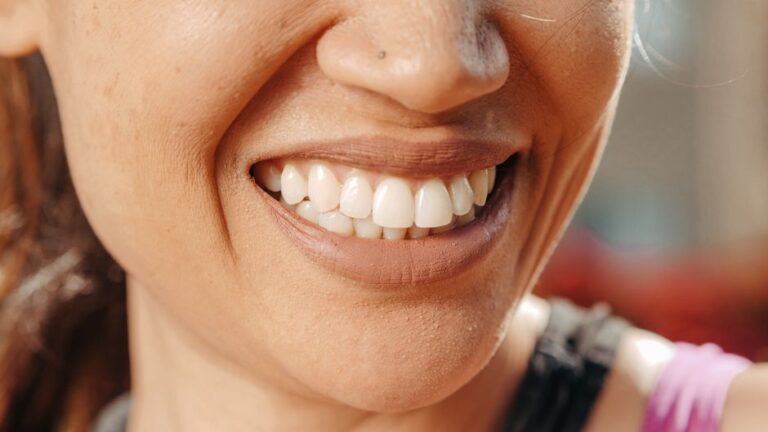
Cosmetic dentistry for stained teeth has come a long way — and today, there are more effective, affordable options than ever before to restore a bright, confident smile.
Here is a quick look at the most common treatments:
| Treatment | Best For | Longevity |
|---|---|---|
| Professional teeth whitening | Surface (extrinsic) stains from coffee, tea, tobacco | 6 months – 3 years |
| Dental bonding | Mild to moderate stains, single discolored teeth | 5 – 8 years |
| Porcelain veneers | Severe or intrinsic stains that don’t respond to whitening | 5 – 15 years |
| Internal bleaching | Discoloration inside a root canal-treated tooth | Up to 5+ years |
Tooth discoloration is one of the most common reasons people feel self-conscious about their smile. Stains can come from the foods and drinks you consume every day — coffee, tea, red wine — or from deeper causes like aging, certain medications, or previous dental work. Not all stains are the same, and the right treatment depends entirely on what type of stain you have.
The good news? Whether your discoloration sits on the surface of your enamel or deep inside the tooth structure, there is a cosmetic solution designed to address it.
I’m Dr. Loren Grossman, D.M.D., and I’ve been helping patients across Northeastern Pennsylvania transform their smiles through cosmetic dentistry for stained teeth since 1984 — including advanced treatments like Zoom II chairside whitening, porcelain veneers, and dental bonding. In this guide, I’ll walk you through every major treatment option so you can make a confident, informed decision.
Easy cosmetic dentistry for stained teeth word list:
Understanding Cosmetic Dentistry for Stained Teeth
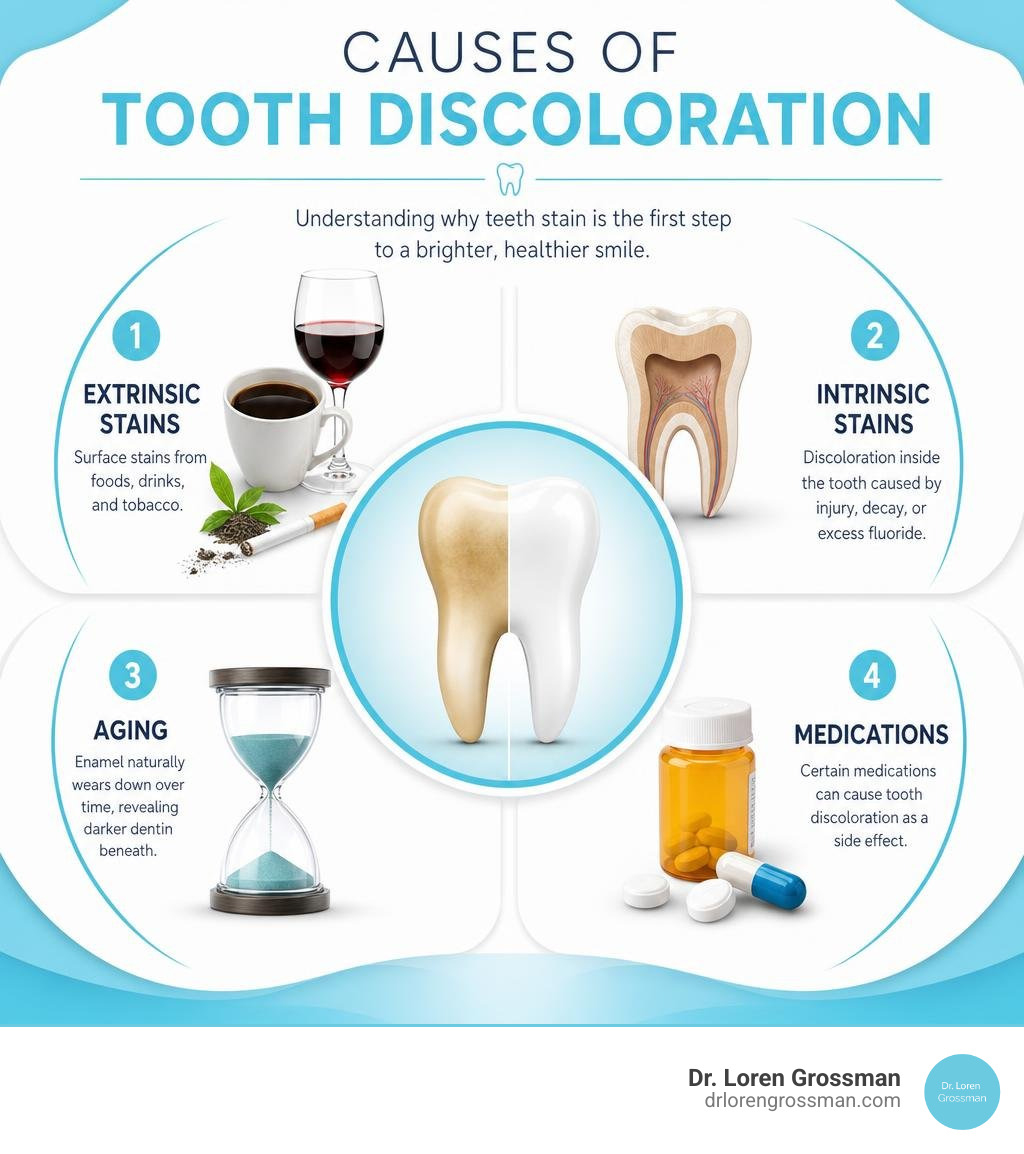
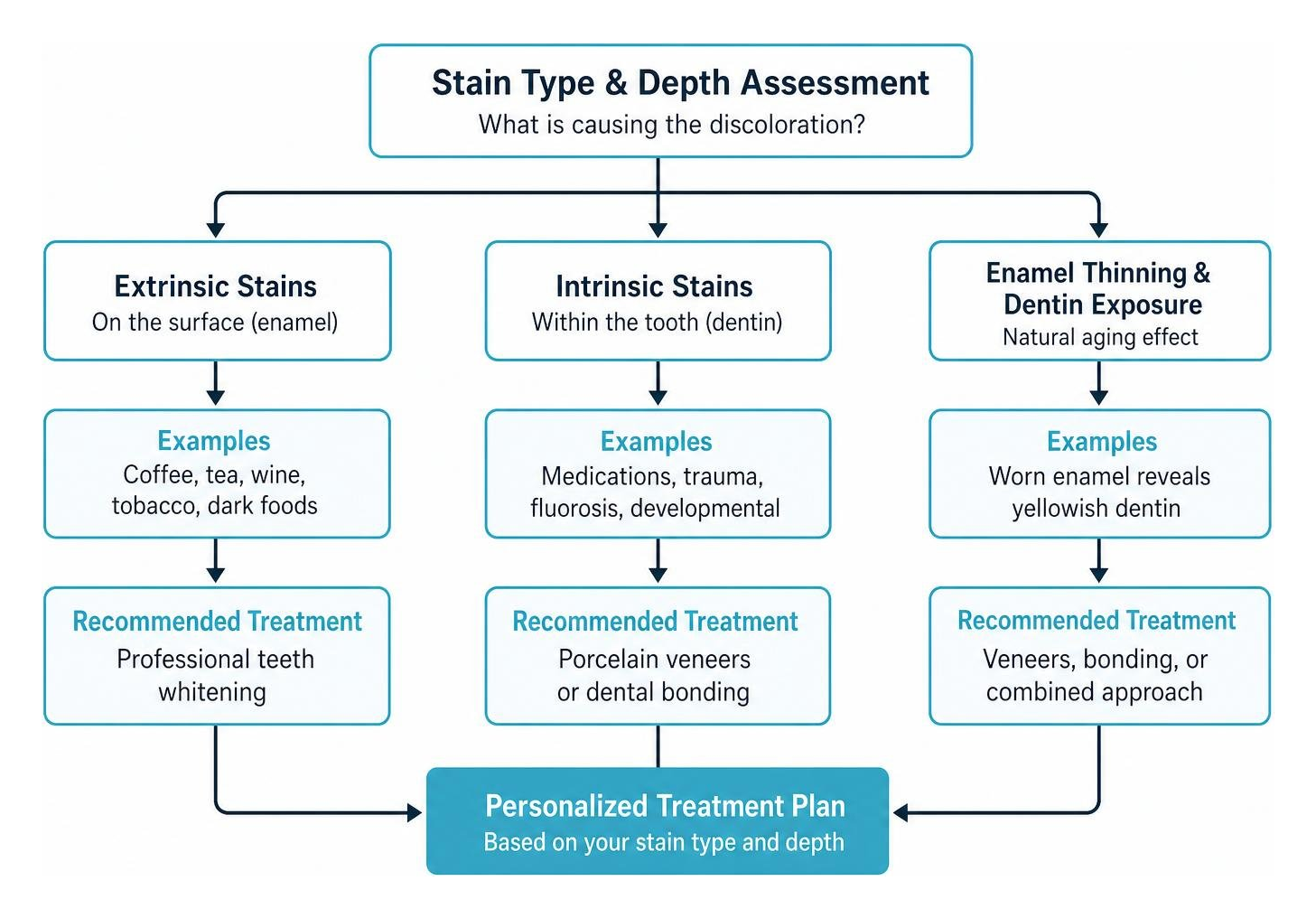
When you look in the mirror and notice your teeth aren’t as bright as they used to be, it is easy to assume a quick brush with a charcoal toothpaste will fix it. However, to truly banish discoloration, we have to look beneath the surface. In our Kingston, PA office, we categorize tooth discoloration into two primary types: extrinsic and intrinsic stains.
- Extrinsic Stains: These are surface-level discolorations that affect the outer layer of your teeth (the enamel). They are typically caused by lifestyle factors such as drinking coffee, tea, cola, or red wine, and using tobacco products. Because these stains live on the surface, they are highly responsive to chemical bleaching agents.
- Intrinsic Stains: These stains occur deep within the tooth structure, specifically inside the dentin (the layer beneath your enamel). Intrinsic staining can be caused by exposure to certain medications (like tetracycline antibiotics during childhood), dental trauma, excessive fluoride exposure (fluorosis), or developmental conditions. Because these stains are embedded within the tooth, standard surface-level chemical whitening is often ineffective.
- Enamel Thinning and Dentin Exposure: As we age, our enamel naturally thins. Because the underlying dentin is naturally yellowish or dark, thinning enamel makes your teeth look yellow or gray, even if you practice impeccable oral hygiene.
Understanding the root cause of your discoloration is the first step in selecting the right treatment. In Cosmetic Dental Treatments for Stained Teeth | Ferguson Dental Montclair NJ , dental experts highlight how identifying the depth and source of a stain dictates whether a patient needs chemical whitening or physical coverings.
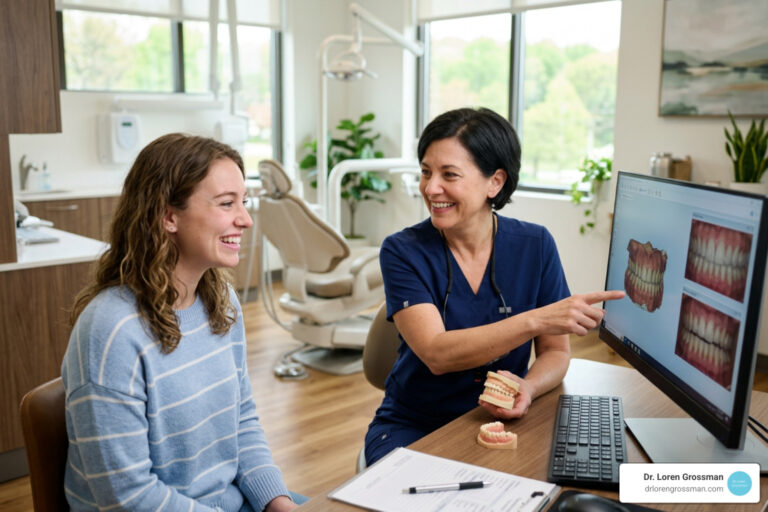
At our practice, we utilize diagnostic exams to determine exactly what is causing your discoloration so we can recommend the most effective cosmetic dentistry services for your unique smile.
Why Choose Cosmetic Dentistry for Stained Teeth?
Investing in your smile is never a matter of superficial vanity. Your smile is one of the first things people notice about you, and feeling hesitant to show it can directly impact your self-esteem, social interactions, and professional confidence.
Beyond the obvious psychological benefits, choosing professional cosmetic treatments offers several distinct advantages:
- Aesthetic Harmony and Facial Balance: Modern cosmetic treatments do not just “whiten” your teeth; they are designed to harmonize with your skin tone, lip line, and overall facial structure for a beautifully natural look.
- A Confidence Boost: Imagine walking into a job interview, a wedding, or a social gathering in Northeastern Pennsylvania and smiling freely without a second thought. It is a simple change that carries immense psychological weight.
- Improved Oral Health: Many cosmetic procedures, such as porcelain veneers and dental bonding, actually help protect worn enamel from further erosion. Additionally, straightening and restoring teeth makes them easier to clean, reducing your risk of decay and gum disease.
To learn more about how a customized treatment plan can revitalize your self-assurance, check out our guide on the transformative power of cosmetic dentistry.
Professional Teeth Whitening vs. Over-the-Counter Products
If you walk down the dental aisle of any local Kingston grocery store, you will find dozens of whitening strips, gels, toothpastes, and rinses. While these over-the-counter (OTC) products are highly marketed, they rarely deliver the dramatic, long-lasting results of professional-grade systems.
The primary difference lies in the concentration of the active bleaching agents — typically hydrogen peroxide or carbamide peroxide. Professional treatments use highly concentrated, medical-grade formulas that can safely penetrate the enamel to break down deep-seated stains.
Furthermore, professional treatments are customized to your mouth. When you use generic, one-size-fits-all OTC trays or strips, the whitening gel can easily leak onto your gums, causing chemical burns and severe tooth sensitivity.
At our practice, we offer customized take-home whitening trays that seal at the gum line to prevent gel dilution and irritation. These take-home kits can achieve a smile up to 10 shades brighter over about two weeks of consistent daily wear (typically 3 to 4 hours per day).
For patients who want immediate results, we offer in-office light-activated whitening. Using advanced systems like Zoom whitening, we apply a protective barrier to your gums, coat your teeth in a high-concentration peroxide gel, and activate it with a specialized light. The light accelerates the chemical reaction, lifting years of surface stains and brightening your smile by up to eight shades in just 45 to 60 minutes.
Here is how professional whitening compares directly to over-the-counter options:
| Feature | Professional Whitening (In-Office or Custom Trays) | Over-the-Counter Products (Strips, Gels, Pastes) |
|---|---|---|
| Active Agent Concentration | High (supervised, safe medical-grade peroxide) | Low (slower, less effective results) |
| Customization | Custom-molded trays or professional gum barriers | One-size-fits-all (high risk of gum irritation) |
| Time to Results | Immediate (1 hour in-office) or 1–2 weeks (custom trays) | 2 to 4 weeks of daily, consistent application |
| Shade Improvement | Up to 8–10 shades brighter | Typically 1–2 shades brighter |
| Safety & Supervision | Monitored by a dentist to minimize sensitivity | Self-applied; high risk of enamel damage if misused |
For a deeper dive into which whitening avenue makes the most sense for your lifestyle and budget, read our comprehensive article comparing professional vs at-home whitening.
Internal Bleaching for Non-Vital Teeth
What happens when a single tooth turns dark gray or brown after a root canal? Standard external whitening treatments will not work because the discoloration is originating from the inside of the tooth.
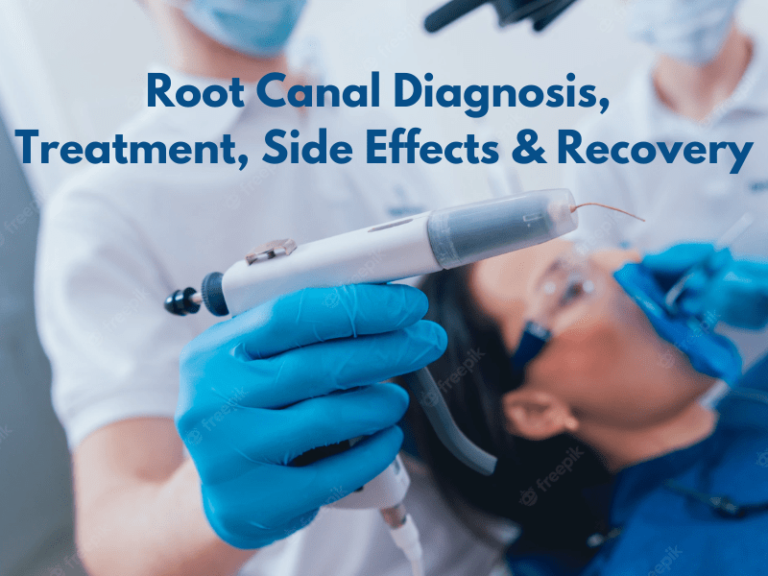
When a tooth undergoes endodontic (root canal) treatment, the living pulp is removed. Sometimes, organic residues, necrotic tissue, or endodontic filling materials left inside the pulp chamber oxidize, staining the tooth from the inside out.
To correct this, we use a specialized, minimally invasive technique called internal bleaching (or intracoronal bleaching). During this procedure, we create a tiny access hole in the back of the tooth, thoroughly clean the pulp chamber, and place a protective glass ionomer barrier over the root canal filling to protect the surrounding tissues. We then place a high-concentration bleaching agent — such as a 35% hydrogen peroxide gel like the Opalescence Endo In-Office Whitening Treatment — directly inside the pulp chamber.
In the “walking bleach” technique, this gel is sealed inside the tooth, allowing you to go about your daily life while the agent breaks down internal stains. The gel is replaced every few days until the tooth matches your surrounding smile, which typically takes between 1 to 5 days.
According to Scientific research on internal tooth whitening, internal bleaching has a proven success rate of 79% after 5 years, making it a highly conservative, budget-friendly alternative to placing a full dental crown on a structurally sound tooth.
Porcelain Veneers vs. Dental Bonding for Severe Discoloration
For teeth with severe intrinsic stains that do not respond to chemical whitening — such as deep tetracycline staining or fluorosis — physical coverings are the most reliable option. The two primary methods for covering tough stains are porcelain veneers and dental bonding.
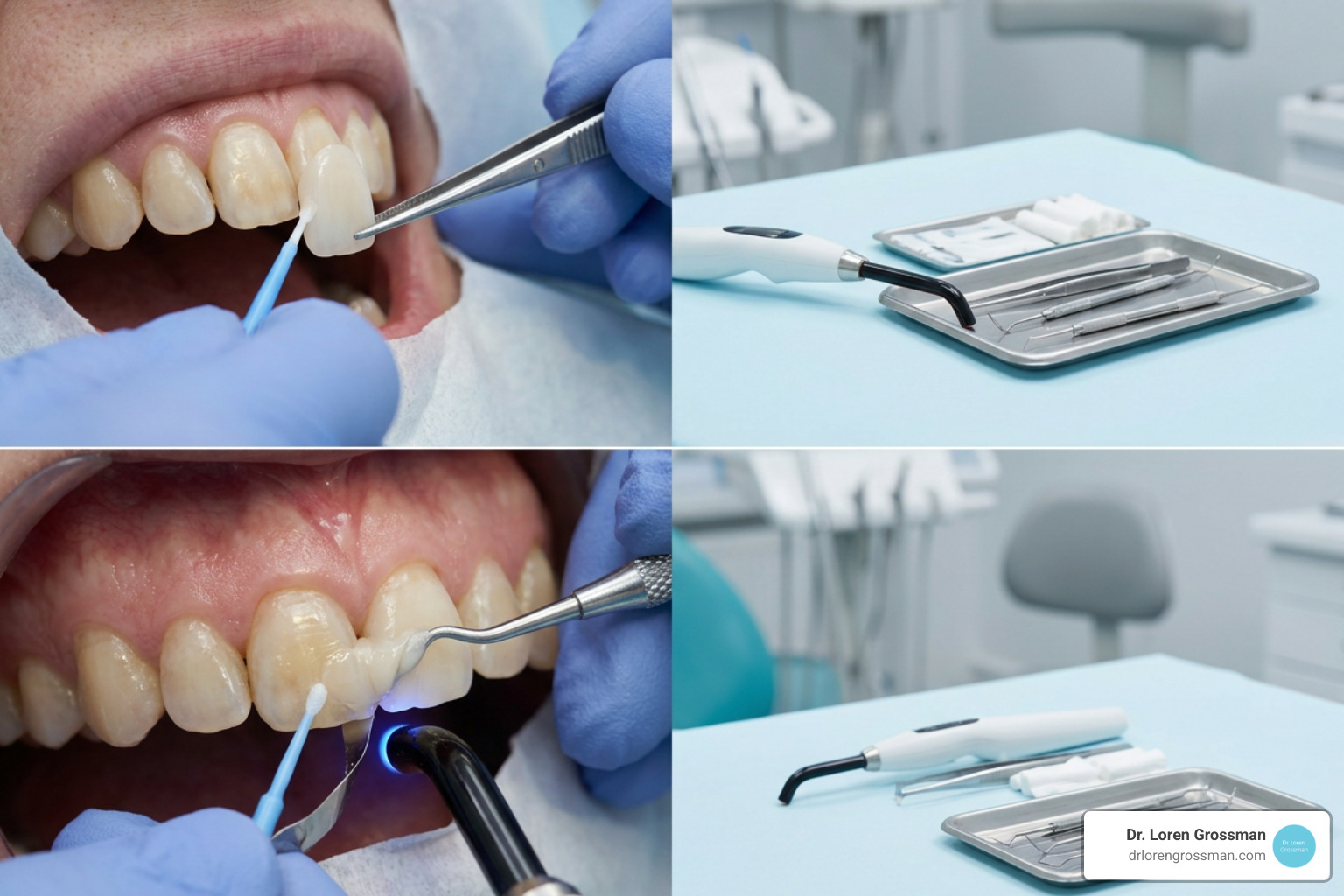
- Porcelain Veneers: These are ultra-thin, custom-made shells crafted from medical-grade ceramic or translucent zirconia. They are permanently bonded to the front surfaces of your teeth. Porcelain mimics the light-reflecting properties of natural enamel beautifully and is highly stain-resistant.
- Dental Bonding: This procedure involves applying a tooth-colored composite resin (the same material used in standard fillings) directly to the tooth. We shape, cure, and polish the resin in a single visit to match your surrounding teeth. While bonding is quick and budget-friendly, composite resin is more porous than porcelain, meaning it is more prone to chipping and gradual staining over time.
If you are looking to completely transform your smile’s shape, alignment, and brightness, veneers are the gold standard. However, if you are looking to correct a single discolored tooth or minor chip quickly, bonding is an excellent, non-invasive choice.
To explore how these treatments can be combined to give you a complete aesthetic upgrade, check out our guide on smile makeovers. For a real-world look at how composite materials can restore self-assurance, read Alex: Composite Veneers Case — Veneers Authority , which showcases the incredible confidence boost a young patient experienced after receiving composite restorations.
Customizing Cosmetic Dentistry for Stained Teeth
Every patient’s teeth are unique, and severe discoloration requires a highly customized clinical approach. For instance, patients with severe developmental stains like fluorosis or childhood tetracycline exposure often benefit from conservative “no-prep” or “minimal-prep” veneers.
Traditional veneers require us to remove a very thin layer of enamel (about 0.5 to 1 mm) to ensure the porcelain shell does not look bulky. No-prep veneers, on the other hand, are placed additively with virtually zero enamel reduction. This is an exceptional option for teenagers or young adults because it preserves the natural tooth structure for the future.
For teeth that have undergone root canals, we often combine internal bleaching with ultra-translucent zirconia veneers. According to Scientific research on porcelain veneers for endodontically treated teeth, a case series with up to five years of follow-up demonstrated a 100% survival rate for ultra-translucent zirconia veneers bonded with adhesive resin cement. This combination allows us to lighten the dark underlying tooth structure internally first, meaning we can use a highly aesthetic, translucent veneer on top without any dark gray shadows showing through.
Longevity, Costs, and Insurance Considerations
When planning your smile makeover, it is important to understand the lifespan, maintenance, and financial investment associated with each treatment option.
- Professional Teeth Whitening: Results typically last from six months to three years, depending on your lifestyle. If you frequently drink coffee or smoke, you will need occasional touch-ups to maintain your bright shade.
- Dental Bonding: Bonding results typically last five to eight years. Because composite resin is prone to wear, you must avoid biting into hard foods with your front teeth and maintain excellent oral hygiene to prevent staining.
- Porcelain Veneers: Veneers are incredibly durable and can last between five and 15 years (or longer) with proper care. They are highly stain-resistant, but they are irreversible and will eventually need replacement.
Understanding the Financial Investment
Because cosmetic procedures are elective and not deemed medically necessary, dental insurance plans typically do not cover them. However, we believe that financial constraints should never stand in the way of a healthy, beautiful smile.
We work closely with our patients in Northeastern Pennsylvania to design treatment plans that fit their budgets. We offer flexible payment plans and third-party dental financing options (like CareCredit) to make your smile transformation stress-free.
For a detailed breakdown of what to expect financially, read our smile makeover costs guide, and explore your local payment options in our Pennsylvania dental financing guide.
Frequently Asked Questions about Stained Teeth Treatments
How long do professional teeth whitening results last?
Professional teeth whitening results can last anywhere from six months to three years. The exact lifespan depends heavily on your daily habits. To keep your smile bright, we recommend limiting staining foods and drinks, drinking through a straw when possible, and brushing twice daily. To learn more about maximizing your results, read our expert tips on how long teeth whitening lasts.
When are porcelain veneers a better option than teeth whitening?
Porcelain veneers are the superior option when your stains are intrinsic (such as tetracycline or fluorosis stains) and do not respond to chemical bleaching agents. They are also ideal if your discoloration is accompanied by other aesthetic concerns, such as chipped teeth, gaps, minor misalignment, or severe enamel erosion.
Is cosmetic dentistry covered by dental insurance?
Generally, no. Because cosmetic dentistry procedures are elected for aesthetic reasons rather than medical necessity, insurance companies do not cover them out-of-pocket. However, if a cosmetic procedure also restores essential function — such as a dental crown used to protect a decayed tooth — a portion of the treatment may be partially covered. We always recommend checking with your provider to verify your specific benefits.
Conclusion
A discolored smile does not have to hold you back any longer. Whether you need a fast, dramatic boost from professional in-office whitening, a budget-friendly fix with dental bonding, or a complete, lifelong transformation with porcelain veneers, we are here to help you achieve the radiant smile you deserve.
At the dental practice of Dr. Loren Grossman, we have spent over four decades providing personalized, top-tier cosmetic care to patients throughout Kingston, PA, and the surrounding Northeastern Pennsylvania communities. We combine advanced dental technology with a warm, patient-focused approach to deliver exceptional, natural-looking results.
Ready to take the first step on your smile journey? Book an appointment for a cosmetic dentistry consultation with us today, and let us help you smile with absolute confidence!