Why the Difference Between a Smile Makeover and Full Mouth Restoration Matters
When weighing a smile makeover vs full mouth restoration, the core difference comes down to one question: are you fixing how your smile looks, or how it works?
Here’s the short answer:
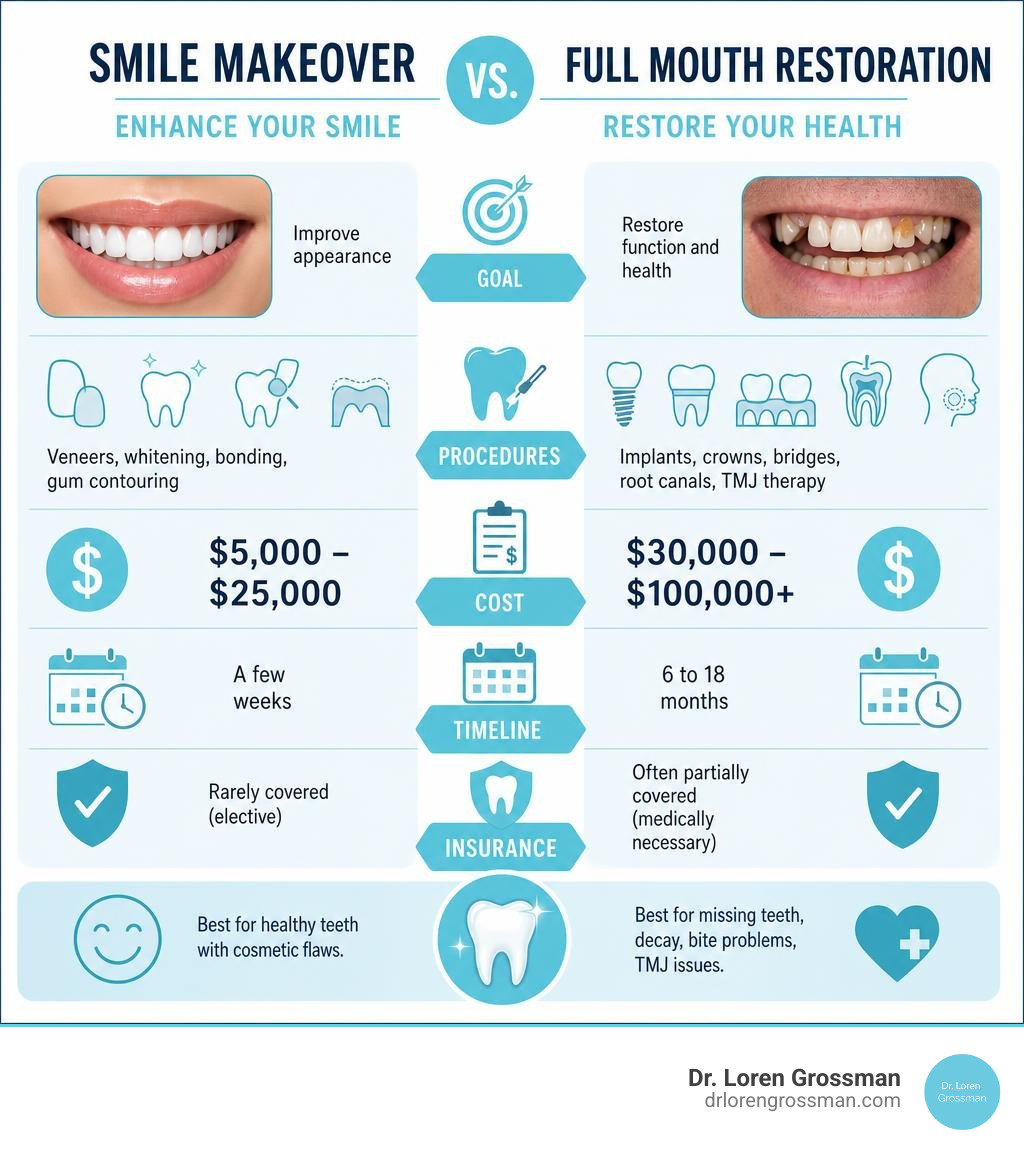
| Smile Makeover | Full Mouth Restoration | |
|---|---|---|
| Goal | Improve appearance | Restore function and health |
| Best for | Healthy teeth with cosmetic flaws | Missing teeth, decay, bite problems, TMJ issues |
| Common procedures | Veneers, whitening, bonding, gum contouring | Implants, crowns, bridges, root canals, TMJ therapy |
| Typical cost | $5,000 – $25,000 | $30,000 – $100,000+ |
| Timeline | A few weeks | 6 to 18 months |
| Insurance coverage | Rarely covered (elective) | Often partially covered (medically necessary) |
The right choice depends entirely on the current state of your oral health — not just what you want your smile to look like.
Approximately 178 million Americans are missing at least one tooth. Many more live with worn enamel, bite problems, or gum disease they don’t fully realize they have. Some of these people book a cosmetic consultation and discover they actually need something more involved. Others think they need a full reconstruction when a few veneers would do the job.
Knowing the difference saves you time, money, and unnecessary treatment.
I’m Dr. Loren Grossman, D.M.D., a cosmetic and family dentist serving the Wyoming Valley since 1984, with decades of hands-on experience helping patients navigate exactly this decision — from simple smile makeovers to complex full mouth restorations. Whether your concern is purely cosmetic or involves serious functional issues, understanding the distinction between a smile makeover vs full mouth restoration is the first step toward choosing the right path for your smile.
Smile makeover vs full mouth restoration definitions:
- complete smile transformation pennsylvania
- smile makeover before and after
- smile makeover veneers and whitening
Smile Makeover vs Full Mouth Restoration: Key Differences at a Glance
To understand these two pathways, it helps to use a classic home renovation analogy.
A smile makeover is like remodeling the exterior of your home. If your foundation is solid, your plumbing works perfectly, and your framing is sturdy, you can jump straight to the fun stuff: painting, updating the siding, and putting in beautiful new windows. You are taking a structurally sound house and making it stunning.
A full mouth restoration (also called full mouth reconstruction), on the other hand, is like rebuilding a historic home that has structural damage. If the foundation is cracked, the roof is leaking, and the plumbing is failing, you cannot just slap a fresh coat of paint on the walls. You must first rebuild the foundation, replace the support beams, and fix the plumbing. Only after the structure is secure do you focus on the aesthetic finishes.
Both treatments can give you a gorgeous smile, but they start from different places. A smile makeover is “wants-based,” focused almost entirely on the aesthetics of your teeth. A full mouth restoration is “needs-based,” designed to address pain, decay, disease, and structural failure.
If you want to dive deeper into how we customize these processes, you can Learn more about the differences to see which philosophy matches your current dental health.
Candidacy: Who Needs a Smile Makeover vs Full Mouth Restoration?
Determining which category you fall into requires looking past the surface of your teeth to evaluate the health of your entire mouth.
You are likely an ideal candidate for a smile makeover if:
- Your teeth and gums are generally healthy, free of active gum disease or untreated decay.
- Your bite is stable, and you do not experience chronic jaw pain, clicking, or popping.
- Your primary complaints are cosmetic: tooth discoloration, minor chips, small gaps, slight misalignment, or slightly uneven tooth lengths.
- You want to feel more confident when laughing, speaking, or taking photos.
Conversely, you are a prime candidate for a full mouth restoration if:
- You are missing multiple teeth, which has caused your remaining teeth to shift or your cheeks to look hollow.
- You have severe tooth wear, flat-looking teeth, or fractured enamel caused by years of chronic teeth grinding (bruxism) or acid erosion.
- You suffer from advanced periodontal (gum) disease that has compromised the bone support around your teeth.
- You experience chronic jaw pain, frequent tension headaches, or clicking in your temporomandibular joint (TMJ) due to an misaligned bite.
- You have multiple old, failing dental restorations (like cracked crowns or large, worn-out fillings) that threaten the vitality of your remaining teeth.
For a thorough breakdown of cosmetic candidacy, take a look at Everything You Need to Know About Enhancing Your Smile.
Cost and Timeline: Smile Makeover vs Full Mouth Restoration
Because these two treatment paths differ in scope and complexity, their financial and time commitments are naturally quite different.
A typical smile makeover is a relatively swift process. In many cases, treatments like porcelain veneers, dental bonding, or professional teeth whitening can be completed in just two to three appointments spread over a few weeks. If mild orthodontic alignment is required first, it may take a few months. Because these procedures are elective and cosmetic, dental insurance plans almost never cover them. The cost of a smile makeover generally ranges from $5,000 to $25,000, depending on the number of teeth treated and the materials chosen.
A full mouth restoration is a highly customized, multi-phase journey. Because we must address active infections, place dental implants, or allow bone grafts to heal, the timeline typically spans anywhere from 6 to 18 months. However, because this treatment is performed to restore essential chewing function, alleviate pain, and cure disease, it is considered medically necessary. This means your dental insurance may cover a significant portion of the restorative steps, such as crowns, bridges, root canals, or extractions. A comprehensive restoration can range from $30,000 to over $100,000, but flexible financing plans help make this life-changing care highly accessible.
To learn more about navigating these timelines and options locally, check out Your Guide to a Complete Smile Transformation in Pennsylvania.
Understanding the Smile Makeover: Focus on Aesthetics

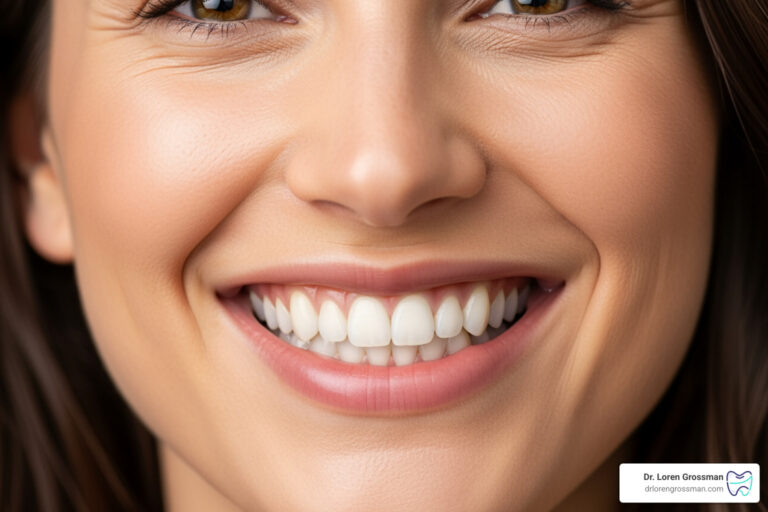
When your oral health foundation is strong, a smile makeover allows us to focus entirely on artistic enhancement. We analyze your facial features, skin tone, lip line, and personal preferences to design a smile that looks naturally beautiful and complements your unique look.
A cosmetic transformation does more than change the color of your teeth; it rejuvenates your entire face. Shorter, worn-down teeth can make a face look prematurely aged by reducing the distance between the nose and the chin. By restoring proper tooth length and symmetry, we can create a more youthful appearance.
To explore how these cosmetic changes can renew your self-image, read about The Transformative Power of Cosmetic Dentistry.
Common Cosmetic Procedures Involved
A smile makeover utilizes a curated selection of conservative, appearance-focused treatments:
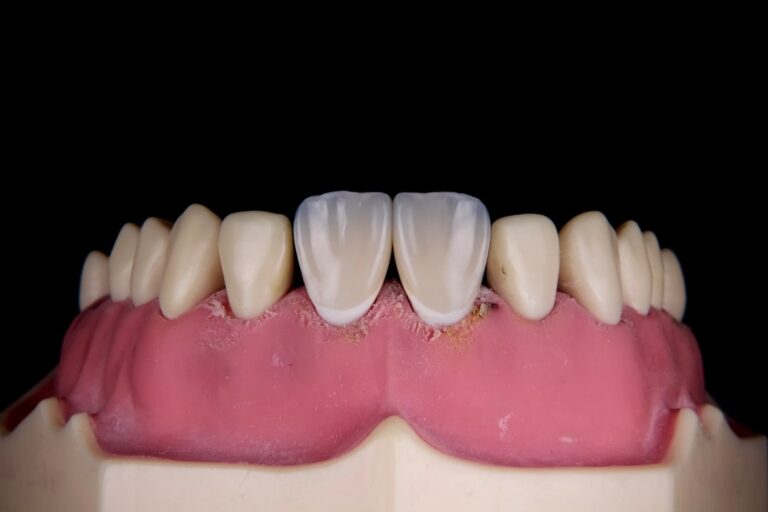
- Porcelain Veneers: Ultra-thin, custom-crafted shells of dental ceramic bonded to the front surfaces of your teeth. They can instantly correct discoloration, minor misalignment, chips, and gaps. To understand how we use these thin shells to rebuild confidence, visit our Services Dental Veneers page.
- Professional Teeth Whitening: Medical-grade bleaching treatments that lift deep stains far more effectively and safely than over-the-counter options.
- Cosmetic Dental Bonding: The application of a tooth-colored composite resin to repair small chips, close minor gaps, or reshape slightly misshapen teeth in a single visit.
- Gum Contouring: A gentle laser treatment used to reshape an uneven or “gummy” hairline, revealing more of your natural teeth and creating a balanced frame for your smile.
- Clear Aligners: Subtle, removable orthodontic trays used to resolve minor crowding or spacing issues before final cosmetic touches are applied.
For additional perspectives on how cosmetic dentistry is planned and executed, you can also read WebMD’s guide to cosmetic dentistry procedures.
Understanding Full Mouth Restoration: Focus on Function and Health

A full mouth restoration is a comprehensive rehabilitation of the entire oral cavity. If you have spent years struggling to chew your favorite foods, hiding your teeth when you speak, or living with chronic jaw pain, this treatment path is designed for you.
Our primary goal with a full mouth restoration is to return your mouth to a state of optimal health, strength, and balance. We treat the teeth, gums, bones, jaw joints, and chewing muscles as a unified system. When one part of this system is damaged or missing, the entire system begins to break down. By rebuilding every tooth to its proper height and position, we restore the biological harmony of your mouth.
To understand how durable these comprehensive treatments are and what to expect over time, read The Lifespan of Your New Teeth Explained.
Restorative Procedures and the Role of TMJ Therapy
Rebuilding a smile from the foundation up requires a combination of advanced restorative and therapeutic treatments:
- Dental Crowns: Custom caps placed over severely decayed, cracked, or root-treated teeth to fully restore their strength and shape.
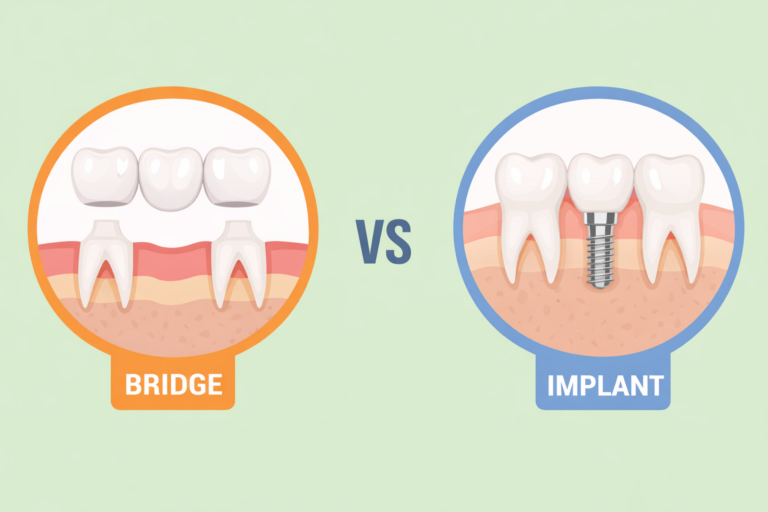
- Dental Bridges: Fixed restorations used to bridge the gap left by one or more missing teeth, anchored securely to adjacent healthy teeth or dental implants. Learn more about these options on our Services Crowns Bridges page.
- Dental Implants: Titanium posts surgically placed into the jawbone that act as artificial tooth roots, providing unmatched stability for individual crowns, bridges, or full-arch dentures.
- Periodontal Therapy: Deep cleanings (scaling and root planing) or specialized gum treatments to eliminate active infection and establish a healthy foundation.
- TMJ and Neuromuscular Therapy: Correcting the bite alignment to relieve strain on the jaw joints and muscles. When a patient has a misaligned bite, their jaw muscles must work overtime, leading to chronic tension, clicking, and headaches. By using bite-analysis technology, we can design crowns and restorations that guide the jaw into its natural, relaxed position, protecting your new teeth from destructive grinding forces.
To see how orthodontic principles and restorative care work hand-in-hand to resolve complex bite issues, you can read Cleveland Clinic’s guide on TMJ disorders and treatments.
The Overlap: Dental Implants and Shifting Treatment Plans
While the distinction between a smile makeover vs full mouth restoration seems clear on paper, the reality of modern dentistry is that these two paths often overlap. Dental implants are a perfect example of this intersection.
If you are generally healthy but lost a single tooth in an accident, a dental implant can serve a cosmetic role in a smile makeover, seamlessly completing your smile. However, if you are missing most of your teeth and have experienced bone loss in your jaw, dental implants become the structural anchors of a full mouth restoration.
Implants do more than just hold replacement teeth; they preserve your jawbone. When you lose a tooth, the jawbone in that area no longer receives chewing stimulation, causing it to gradually resorb (shrink) over time. Dental implants mimic natural tooth roots, signaling the body to keep the jawbone dense and strong, preserving your natural facial structure.
To explore the differences between traditional bridges and modern implants for replacing missing teeth, read The Ultimate Showdown Dental Bridge or Implant.
When a Smile Makeover Becomes a Full Mouth Restoration
It is not uncommon for a patient to walk into our Kingston, PA office seeking a simple cosmetic fix, only for us to discover deeper structural issues during their examination.
For example, a patient might request porcelain veneers to fix worn, chipped front teeth. However, a detailed evaluation may reveal that the wear is actually caused by a collapsed bite, severe nightly bruxism (teeth grinding), or TMJ dysfunction.
If we were to simply place beautiful veneers on those teeth without correcting the underlying bite issues, the immense forces of chewing and grinding would quickly chip, crack, or completely break the new restorations. In this scenario, what started as a cosmetic request must transition into a restorative plan. We must first stabilize the bite, restore lost tooth height with durable crowns, and perhaps treat jaw misalignment before completing the cosmetic enhancements.
To learn more about how we evaluate and diagnose these complex structural needs, read our A Z Guide to Dental Implants. You can also explore how dental implants function structurally by reading Mayo Clinic’s overview of dental implant surgery.
Frequently Asked Questions About Smile Transformations
Does dental insurance cover a smile makeover or full mouth restoration?
In the vast majority of cases, dental insurance will not cover a smile makeover because the procedures are deemed elective and cosmetic. If a treatment is performed solely to improve your appearance (such as teeth whitening or cosmetic veneers on healthy teeth), the financial responsibility falls on the patient.
However, a full mouth restoration is typically performed to treat active disease, replace missing teeth, and restore essential chewing and speaking functions. Because these procedures are medically necessary, insurance providers frequently cover a significant portion of the restorative elements, such as root canals, extractions, crowns, and bridges. Our experienced team works closely with insurance providers to help you maximize your benefits. To see our full list of treatments and how they are classified, visit our general Services page.
Can dental implants be used in both cosmetic and restorative treatments?
Yes, absolutely. Dental implants are incredibly versatile. In a cosmetic smile makeover, a single implant can replace a missing front tooth to create a seamless, natural-looking smile.
In a full mouth restoration, dental implants are used on a much larger scale. They can support multi-unit bridges or secure a full arch of permanent teeth (often referred to as implant-supported dentures), restoring complete function to an entire arch. To learn more about how implants can be tailored to your specific goals, visit our Services Dental Implants page.
How do you decide which treatment is right for you?
The decision is never made from a brochure; it is made through a comprehensive, personalized diagnostic evaluation.
During your visit to our Kingston office, we perform a thorough visual examination, take digital 3D X-rays to assess your bone density, and analyze how your upper and lower teeth meet when you chew. We also discuss your personal goals, budget, and lifestyle. If your teeth and bite are structurally sound and healthy, we will guide you toward a conservative cosmetic plan. If we detect underlying decay, structural damage, or joint pain, we will design a phased restorative plan to rebuild your health first.
To take the first step toward finding your answer, explore our guide on achieving A New Smile.
Conclusion
Choosing between a smile makeover vs full mouth restoration is not about choosing one over the other; it is about discovering what your unique smile needs to be both healthy and beautiful. Whether you need a few cosmetic updates to brighten your smile or a comprehensive restorative plan to regain your quality of life, you deserve personalized care that prioritizes both your health and your confidence.
At the office of Dr. Loren Grossman, we have spent over four decades providing top-tier cosmetic and general dentistry to the communities of Kingston and the greater Northeastern Pennsylvania area. We combine advanced dental technology with a warm, patient-first approach to ensure your treatment plan is comfortable, clear, and perfectly tailored to your life.
Are you ready to find out which path is right for your smile? Schedule a Smile Makeover Consultation with us today, and let’s discuss how we can bring your dream smile to life.