Are Dental Veneers Worth It? Here’s the Short Answer
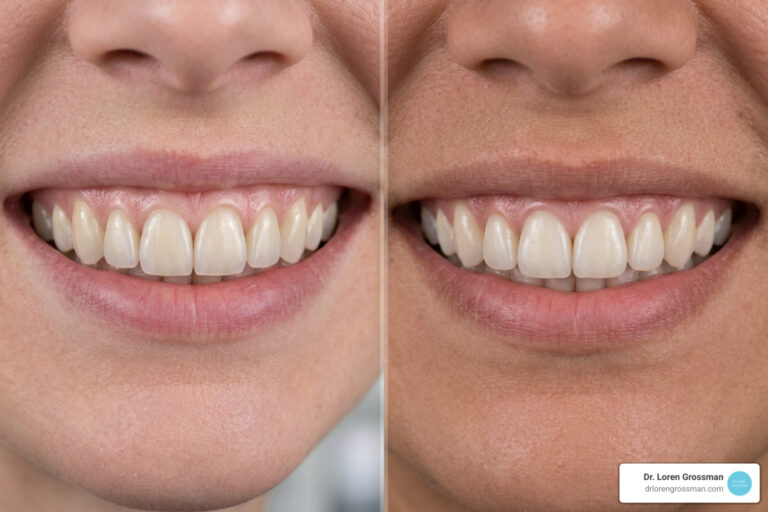
Are dental veneers worth it for most people who want a lasting smile transformation? Yes — for the right candidate, they deliver results that teeth whitening, bonding, and other quick fixes simply can’t match.
Quick answer:
| Factor | What to Know |
|---|---|
| Best for | Stains, chips, gaps, uneven teeth |
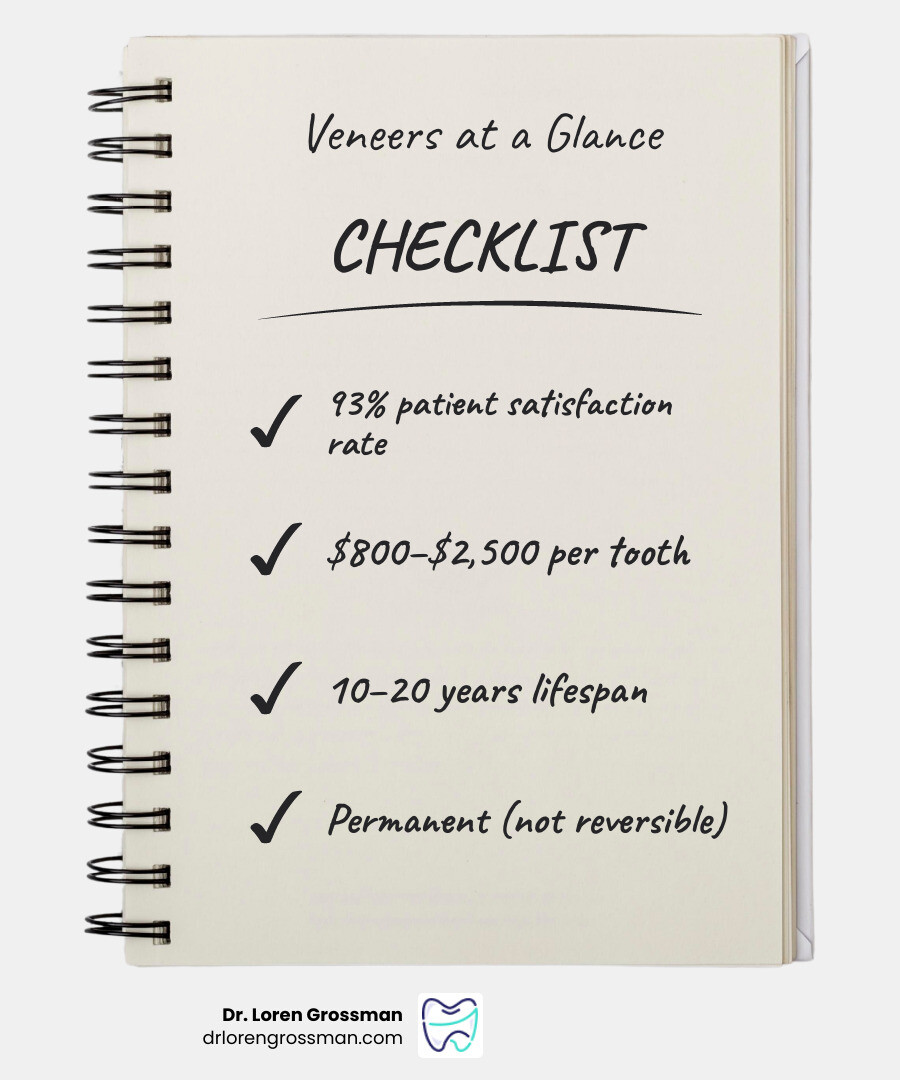
| Cost | $800–$2,500 per tooth |
| Lifespan | 10–20 years with proper care |
| Patient satisfaction | 93% report positive outcomes |
| Reversible? | No — a permanent commitment |
| Covered by insurance? | Typically not |
So why do so many people choose veneers over other options? And is the investment actually justified?
The answer depends on your goals, your dental health, and how you weigh long-term value against upfront cost. This guide breaks all of that down in plain language — no jargon, no pressure.
I’m Dr. Loren Grossman, D.M.D., a cosmetic and family dentist serving Northeastern Pennsylvania since 1984, with decades of hands-on experience helping patients evaluate whether dental veneers are worth it and delivering smile makeovers that combine artistry with clinical precision. I’ll walk you through everything you need to make a confident, informed decision.
What Are Dental Veneers and How Do They Work?
Dental veneers are thin, custom-made shells bonded to the front surface of teeth to improve how they look. Think of them as a carefully designed facade for a tooth – not fake teeth, not bulky caps, and not a one-size-fits-all product.
Veneers are usually made from:
- Porcelain
- Composite resin
Porcelain veneers are the most popular option for long-term cosmetic results because they closely mimic natural enamel, resist stains well, and tend to last longer. Composite veneers can be more affordable and may require less preparation, but they generally do not last as long and are more prone to staining and wear.
If you want a deeper primer, our guides on veneer basics and the different types of veneers explain the materials and design options in more detail. For an external medical overview, Cleveland Clinic also offers a helpful explainer on what dental veneers are, how they work, and what to expect.
So how do they work? In simple terms:
- We evaluate your teeth, gums, bite, and goals.
- We prepare the teeth, usually by removing a small amount of enamel.
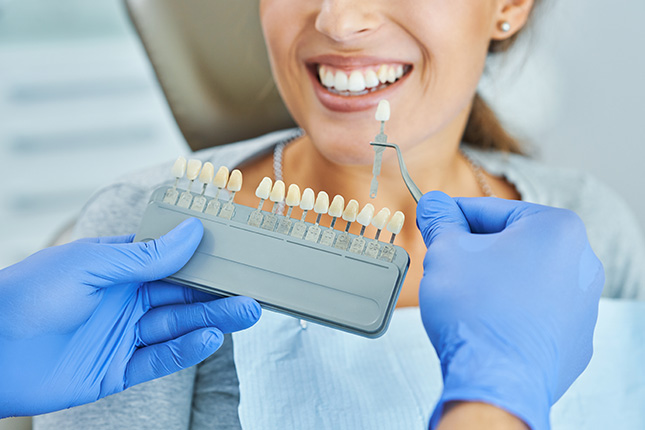
- We design veneers to match the ideal shape, size, and shade for your smile.
- We bond them securely to the front of the teeth.
- We polish and adjust them so they look natural and feel comfortable.
The goal is not just whiter teeth. The goal is balance, symmetry, proportion, and a smile that still looks like you – just on a very good day.
Cosmetic Issues Veneers Address
Veneers are best known for solving several cosmetic concerns at once. That is one of the biggest reasons people feel they are worth the investment.
They can help improve the appearance of:
- Chipped teeth
- Minor cracks
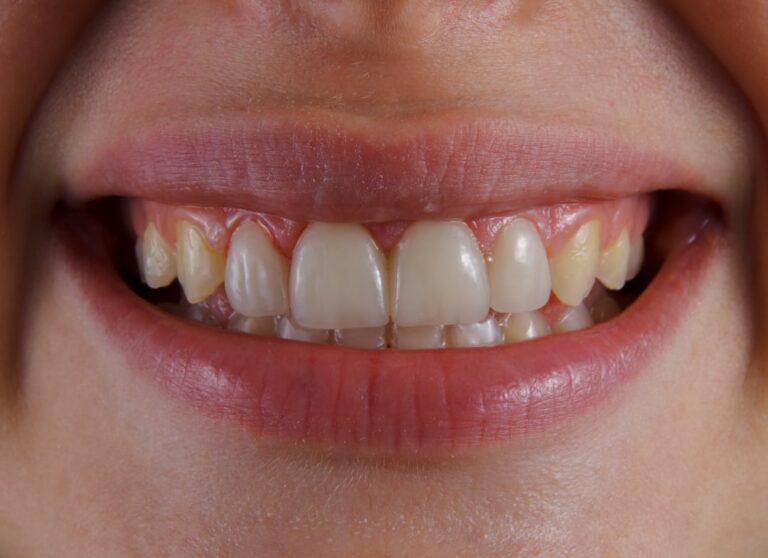
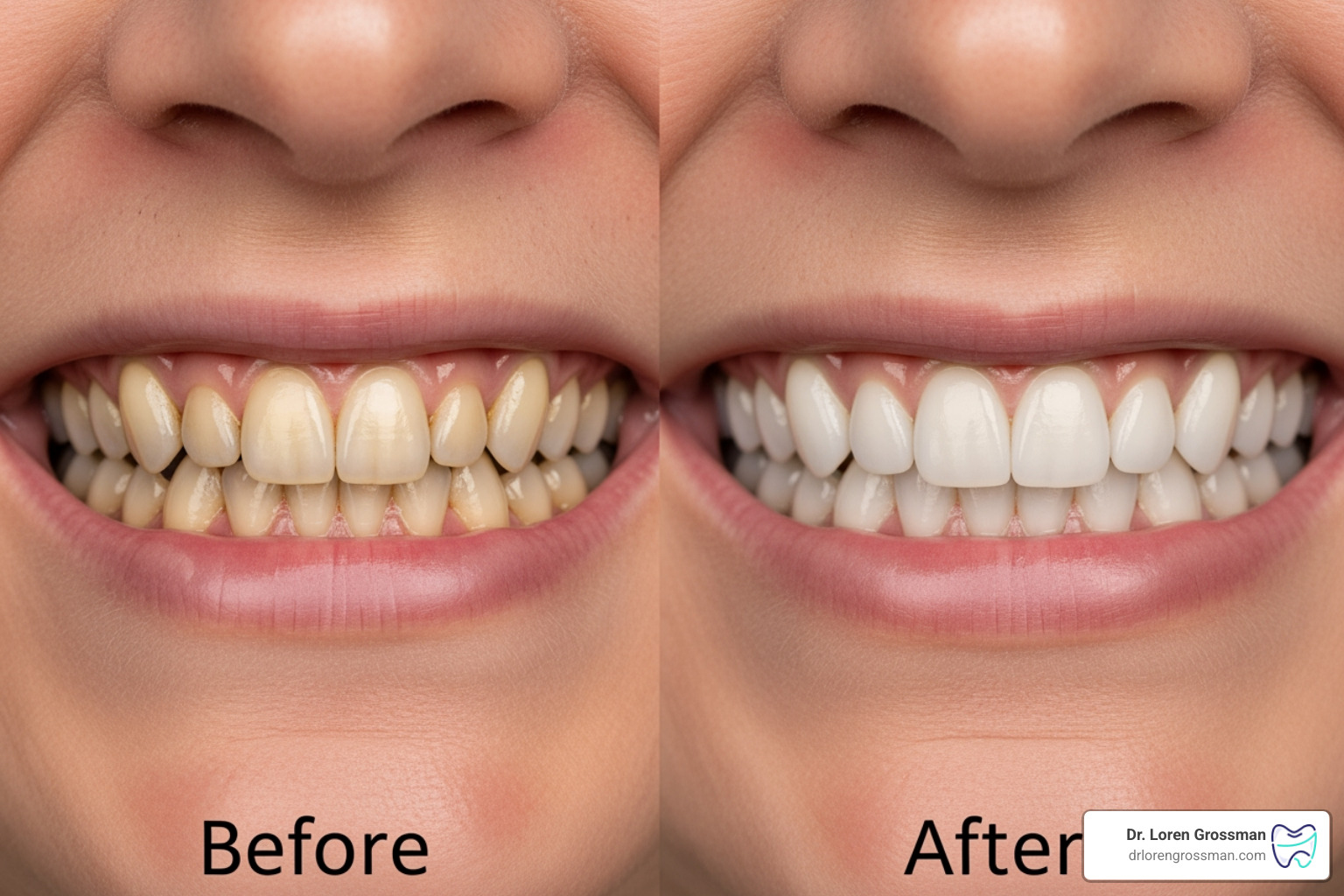
- Deep stains that whitening cannot lift
- Small gaps between teeth
- Slightly uneven or worn teeth
- Mildly misshapen teeth
- Small size differences between teeth
- Minor crowding or alignment issues that do not require orthodontics
They are especially appealing when someone has multiple concerns at the same time. For example, if a patient has discoloration, a chipped edge, and a small gap, veneers can often address all three in one coordinated treatment plan.
That is why veneers are often part of a broader smile makeover strategy or the beginning of a new smile.
What veneers do not do is fix underlying oral health problems. If you have active decay, gum disease, major bite issues, or significant tooth grinding, those problems need to be addressed first.
The Veneer Procedure: What to Expect
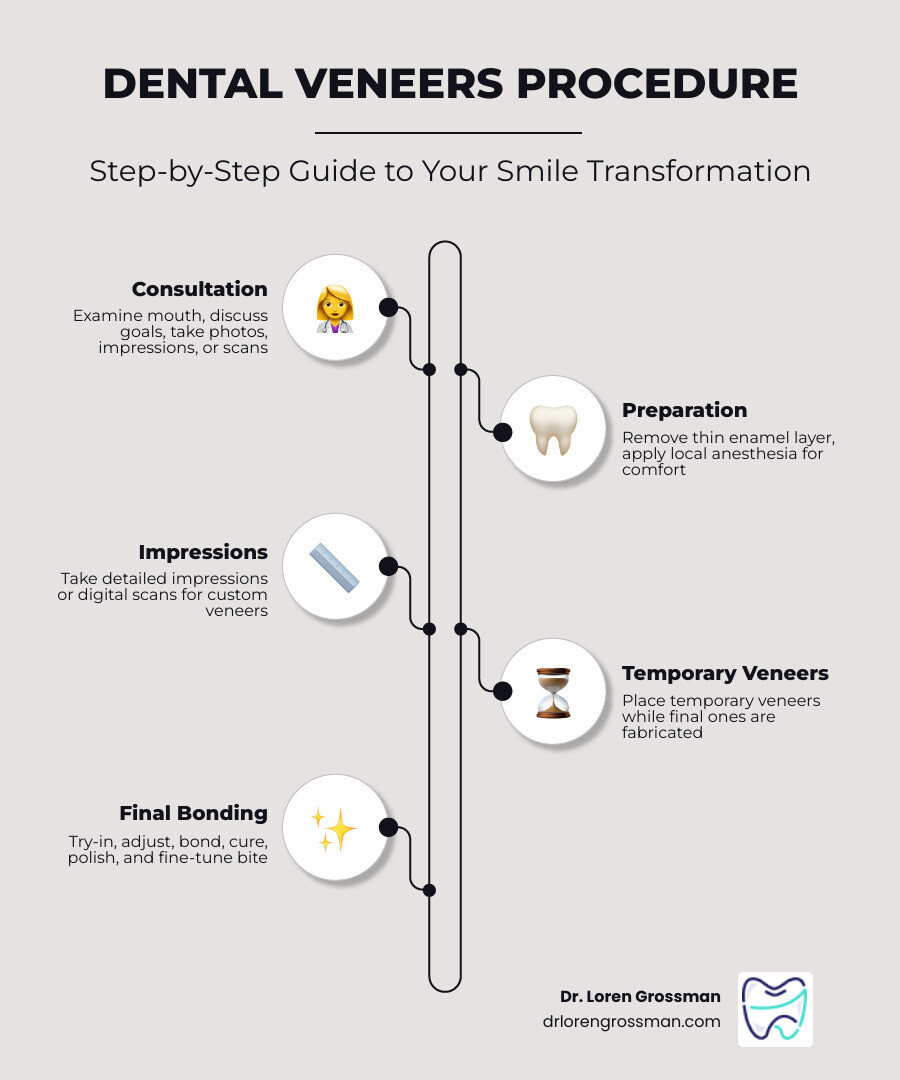
For most patients, the veneer process takes two to three visits.
At the first visit, we examine your mouth, discuss your goals, and confirm whether veneers are the right treatment. We may take photos, impressions, scans, or models to plan the final result.
At the preparation visit, we usually remove a thin layer of enamel from the front of the tooth so the veneer can fit naturally and bond securely. The amount removed is generally small, but it matters because enamel does not grow back. In many cases, local anesthesia is used so you stay comfortable.
After preparation, we take detailed impressions or digital scans. Temporary veneers may be placed while the final porcelain veneers are being fabricated, depending on your case.
At the final visit, we:
- Try in the veneers
- Check fit and color
- Make any needed adjustments
- Bond them to the teeth
- Cure and polish the surfaces
- Fine-tune your bite
The result should feel smooth, look natural, and blend with your facial features. Most people return to normal activities quickly, though some temporary sensitivity to hot or cold can happen.
For a closer look at the sequence, visit our guides on the dental veneers procedure and the full veneers process.
Are Dental Veneers Worth It? Analyzing the Benefits and Risks
Here is the honest answer: veneers can be absolutely worth it, but they are not automatically worth it for everyone.
They tend to offer excellent value when:
- Your main concerns are cosmetic
- You want a dramatic but natural-looking result
- Whitening or bonding will not solve the problem well
- You understand the long-term commitment
- You are willing to care for them properly
The biggest benefits of veneers include:
- Immediate smile improvement
- Natural appearance, especially with porcelain
- Strong stain resistance
- Ability to correct several cosmetic problems at once
- Long lifespan compared with some alternatives
- High patient satisfaction
Research summarized in your brief points to a 93% satisfaction rate for porcelain veneers, which helps explain why so many patients feel the treatment pays off in daily confidence.
But veneers also have real downsides:
- They can be expensive
- The procedure is usually irreversible
- Some enamel removal is needed
- Sensitivity can happen
- Veneers can chip or crack
- They do not treat decay, gum disease, or major alignment problems
- Replacement will eventually be needed
If you are weighing the pros and cons, our article on veneer side effects and risks is a smart next read.
Long-Term Durability and Lifespan
One reason veneers remain popular is durability. With proper care, porcelain veneers commonly last 10 to 15 years, and some last 15 to 18 years or even longer. Research in your brief also notes a failure rate of less than 5% in the first 10 years, which is encouraging for well-planned cases.
Composite veneers usually last around 5 to 7 years.
Here is the simple comparison:
| Feature | Porcelain Veneers | Composite Veneers |
|---|---|---|
| Average cost | $1,500-$2,000 per tooth nationally | Usually lower than porcelain |
| Typical lifespan | 10-15 years, sometimes longer | 5-7 years |
| Stain resistance | Excellent | Fair to moderate |
| Appearance | Very natural | Good, but less lifelike over time |
| Repairability | May require replacement if damaged | Easier to patch in some cases |
How long veneers last depends on:
- Material used
- Bite forces
- Whether you grind or clench
- Oral hygiene habits
- Diet and chewing habits
- Dentist skill and planning
- Regular professional maintenance
In other words, veneers are durable, but they are not invincible. Chewing ice, opening packages with your teeth, or treating pistachios like a personal challenge can shorten their lifespan quickly.
To learn more about longevity and aesthetics, see our page on perfect smile veneers.
Understanding the Investment: Why Veneers Are Worth It
People often focus on price first, which makes sense. Veneers are not a casual impulse buy. But cost alone does not answer whether they are worth it.
Value comes from what veneers can do that other treatments often cannot:
- Permanently mask stubborn intrinsic stains
- Create a more symmetrical smile
- Improve shape, proportion, and edge contours
- Close small gaps
- Correct multiple cosmetic flaws in one treatment plan
- Deliver a long-lasting result with routine care
For many patients, that translates into real-life benefits:
- Feeling more comfortable in photos
- Smiling more freely at work and socially
- Spending less on repeated short-term cosmetic fixes
- Feeling that their appearance finally matches how they want to present themselves
That does not mean veneers are “worth it” simply because they look nice. They are worth it when the outcome is meaningful to your quality of life and when a lasting solution matters more to you than a cheaper temporary one.
Our guide on transforming your smile with dental veneers explores that long-term value in more detail.
Cost, Candidates, and What to Know Before Treatment
The national average cost of porcelain veneers is often cited around $1,500 to $2,000 per tooth, though the broader common range is about $800 to $2,500 per tooth. A single veneer is often around $1,300 on average. Costs vary based on the case and treatment design.
Several factors affect the final price:
- Number of veneers
- Material chosen
- Complexity of smile design
- Need for temporaries
- Prep requirements
- Dentist experience
- Lab quality and customization
- Whether other dental treatment is needed first
Because veneers are usually considered cosmetic, insurance often does not cover them.
Before treatment, it is important to understand that veneers are not just a purchase. They are a long-term plan. Since prepared teeth will need ongoing restoration in the future, this decision should be made thoughtfully.
If you want to understand enamel preparation better, start with how much enamel is actually removed for veneers and a beginner-friendly guide to the veneer process.
Who is a Good Candidate for Veneers?
Good veneer candidates usually have:
- Healthy gums
- Good general oral health
- Enough enamel for bonding
- No untreated cavities
- Cosmetic concerns affecting front teeth
- Realistic expectations
- Good brushing and flossing habits
- Commitment to maintenance and checkups
Veneers may be a great fit for someone who wants to improve the look of front teeth that are stained, chipped, worn, slightly uneven, or separated by small gaps.
People who may need caution or alternative treatment include those with:
- Active gum disease
- Untreated tooth decay
- Severe tooth grinding or clenching
- Major misalignment
- Very little remaining enamel
- Poor oral hygiene habits
- Unrealistic cosmetic expectations
Bruxism does not always rule veneers out, but it may mean we recommend a night guard or consider another option first. Severe orthodontic problems may be better treated with alignment before cosmetic work.
You can learn more about candidacy and smile design on our dental veneers service page.
Factors to Consider When Deciding if Veneers Are Worth It
If you are still asking, “Are dental veneers worth it for me?” these are the most important questions to ask:
- What exactly bothers you about your smile?
- Are your concerns mainly cosmetic or partly structural?
- Could whitening, bonding, orthodontics, or crowns meet your goals better?
- Are you comfortable with the permanent nature of traditional veneers?
- Does your budget fit the treatment and future maintenance?
- Are you willing to protect the investment with good habits?
Here is a practical way to think about alternatives:
- Teeth whitening is best for surface or mild color changes, but it will not fix shape, chips, or gaps.
- Bonding is more affordable and conservative, but it stains more easily and usually does not last as long.
- Crowns are better when a tooth needs strength and protection, not just cosmetic improvement.
- Orthodontics moves teeth into better positions, which veneers do not do.
So if your issue is simple staining, veneers may be overkill. If your issue is a mix of shape, color, spacing, and edge wear, veneers may be the most efficient comprehensive solution.
Maintenance and Long-Term Care for Your New Smile
The good news is that veneers do not require a bizarre, fussy routine or a velvet carrying case.
They do require smart habits.
To protect veneers, we recommend:
- Brush twice daily with a soft-bristled toothbrush
- Use a non-abrasive fluoride toothpaste
- Floss every day
- Keep regular professional cleanings and exams
- Avoid chewing ice, hard candy, and similar hard objects
- Do not use your teeth as tools
- Consider a night guard if you grind or clench
- Be mindful with dark staining foods and drinks, especially around natural teeth
Porcelain itself resists staining very well, but the surrounding natural teeth can still darken over time. That matters because veneers do not whiten the way natural teeth sometimes can.
If a veneer gets damaged, the next step depends on the problem. Small issues may sometimes be polished or managed conservatively, but cracks, chips, debonding, or major wear often require replacement. Prompt evaluation matters because damage can affect appearance, fit, and the tooth underneath.
For local patients, our page on veneer procedures in Kingston, PA explains how we approach treatment with long-term function and aesthetics in mind.

Frequently Asked Questions about Dental Veneers
Are veneers reversible?
Usually, no. Traditional porcelain veneers are generally considered irreversible because a small amount of enamel is removed before placement. Once that enamel is gone, it does not grow back, and the tooth will continue to need some form of restoration moving forward.
There are minimal-prep or no-prep veneer options in some cases, but they are not appropriate for everyone and should not be assumed to be fully reversible without a careful exam.
Do veneers damage natural teeth?
When done properly, veneers are not meant to damage healthy teeth. However, they do involve tooth preparation in most cases, and some short-term sensitivity can occur afterward.
The more important truth is this: veneers do not protect you from neglect. The tooth underneath can still develop decay if oral hygiene is poor, margins are not maintained, or dental care is skipped. Professional planning, precise bonding, and good daily care are what keep the underlying teeth healthy.
How much do veneers cost on average?
Most people can expect roughly $800 to $2,500 per tooth depending on material, complexity, and customization. Nationally, porcelain veneers often average around $1,500 to $2,000 per tooth, while a single veneer may be around $1,300 on average. Composite veneers usually cost less but may need replacement sooner.
Because veneers are typically cosmetic, insurance coverage is usually limited or unavailable.
Conclusion
So, are dental veneers worth it?
For the right person, yes. Veneers can offer a dramatic, natural-looking, long-lasting upgrade that addresses stains, chips, gaps, and uneven teeth in a way that simpler treatments often cannot. But they are also a permanent commitment, a financial investment, and a treatment that should be planned carefully.
That is where experience matters.
At Dr. Loren Grossman, we provide personalized cosmetic care in Kingston, Pennsylvania, using advanced technology and a patient-focused approach to create smile transformations that look beautiful and feel comfortable. If you are considering veneers and want clear answers tailored to your goals, explore our Dental Veneers page to take the next step.