How to Prevent Cavities in Kids, Starting With the First Tooth
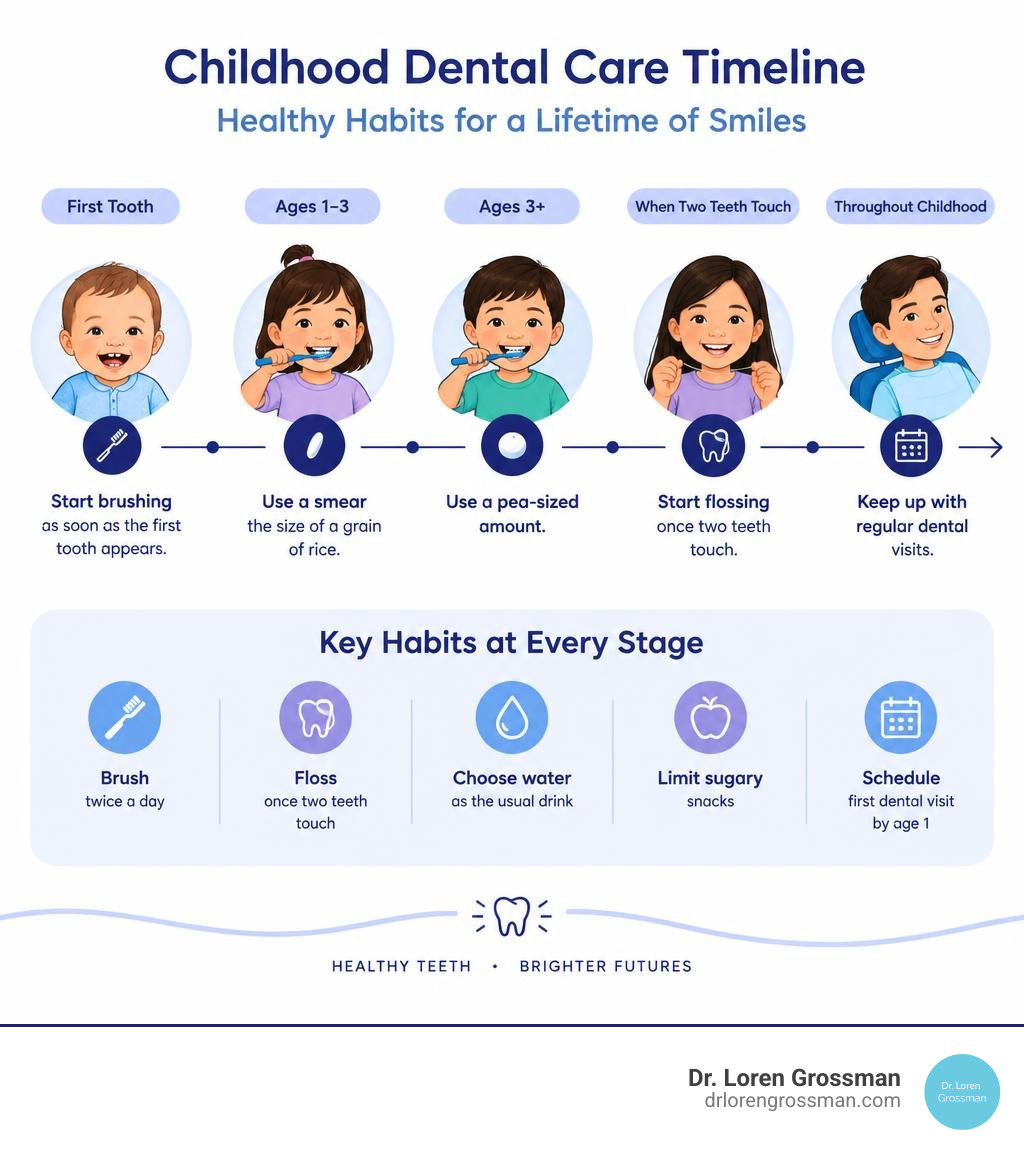
Brush your child’s teeth twice a day with fluoride toothpaste, starting when the first tooth appears. Use a smear the size of a grain of rice before age 3 and a pea-sized amount from age 3 onward. Help them brush, floss once two teeth touch, make water the usual drink, and limit frequent sugary snacks. Schedule their first dental visit by their first birthday.
Baby teeth matter even though they fall out. Cavities in those teeth can cause pain and make it harder to eat or speak. Early care also helps children build habits they can keep as they grow.
I’m Dr. Loren Grossman, D.M.D., and I’ve cared for families in the Wyoming Valley since 1984, including treating children’s teeth. I’ll show you how to prevent cavities in kids with practical steps for each stage, from infancy through the teen years.
Why Baby Teeth Matter: Understanding Early Childhood Caries
A common myth we encounter is that primary (baby) teeth do not matter because they are destined to fall out. In reality, these early teeth play essential roles in your child’s physical development, health, and comfort.
Primary teeth serve as natural placeholders for adult teeth. When a baby tooth is lost prematurely to severe decay, surrounding teeth can drift into the vacant space, causing crowding and alignment challenges when permanent teeth erupt. Beyond alignment, primary teeth are necessary for clear speech development, proper chewing function, and facial muscle growth.
Tooth decay, or dental caries, remains the most common chronic disease of childhood—occurring more frequently than asthma or allergies. According to the American Academy of Pediatrics clinical report on maintaining children’s oral health, roughly 23% of children aged 2 to 5 in the United States have experienced dental caries. By age 8, more than half of all children have had a cavity in at least one primary tooth.
When tooth decay goes unchecked, infection can spread beneath the gumline, potentially harming the developing permanent tooth underneath and causing severe discomfort.
Recognizing Early Signs of Tooth Decay
Early childhood tooth decay often develops quietly. Being aware of the initial warning signs gives you the opportunity to address demineralization before it progresses into a deeper cavity.
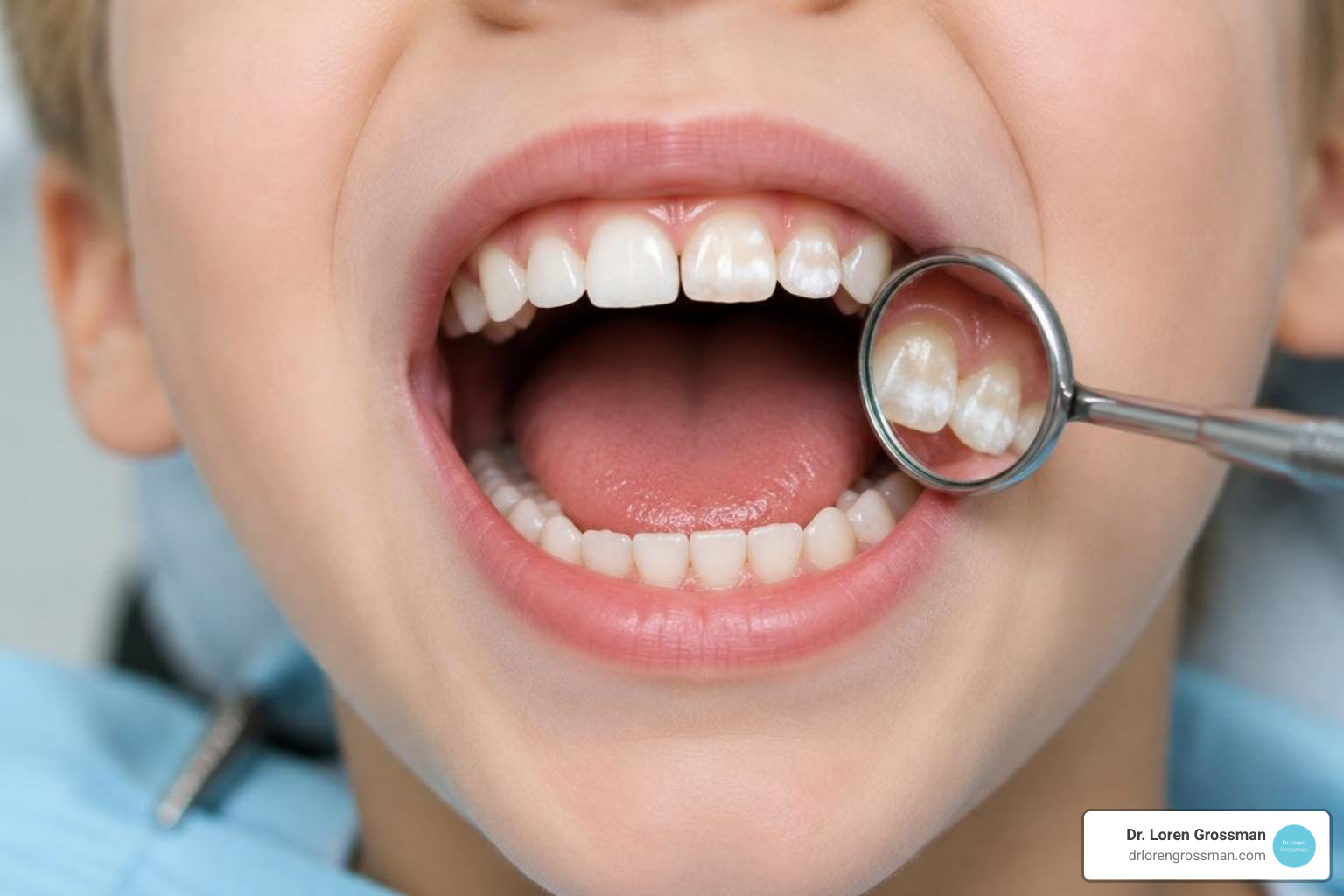
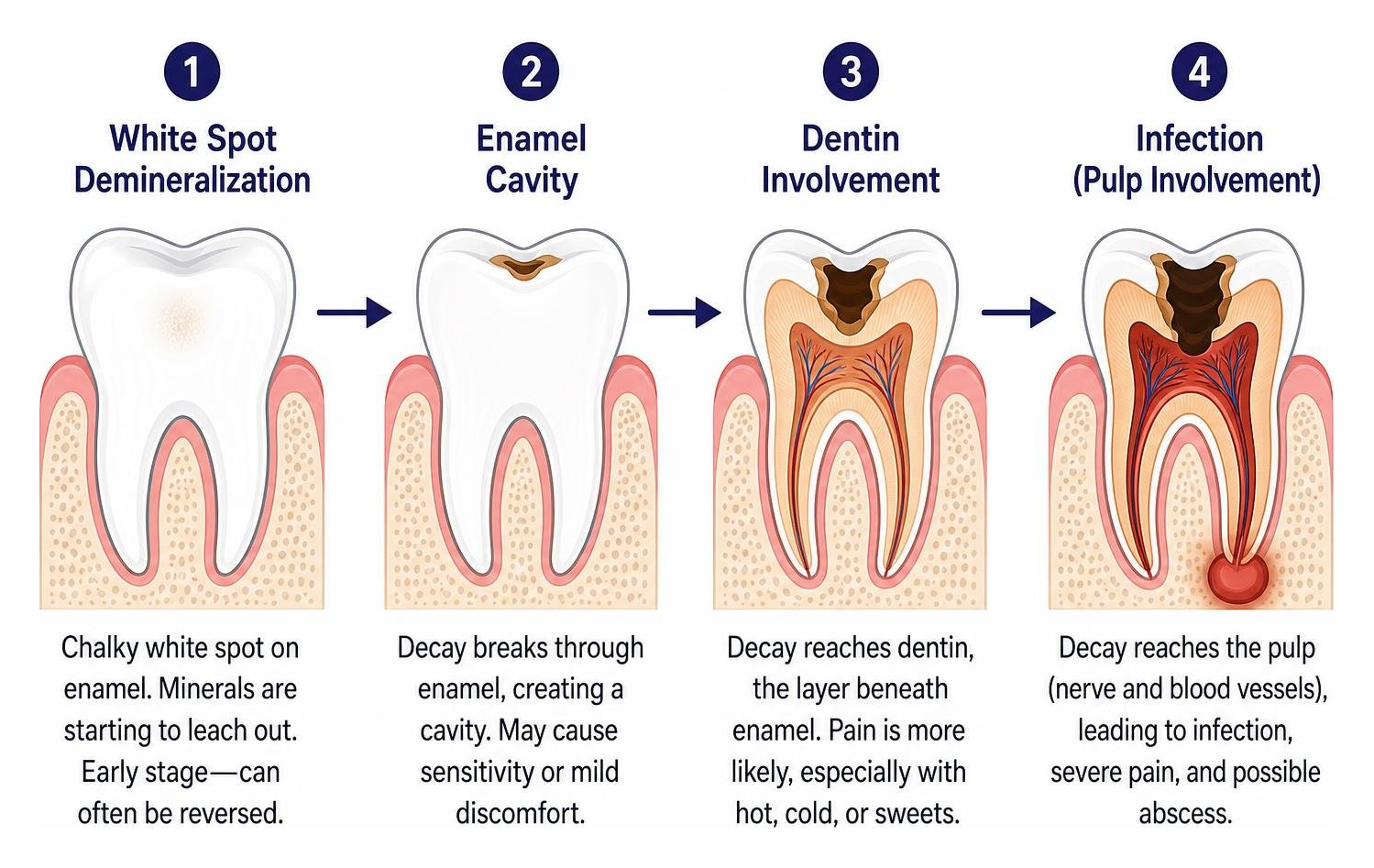
- Chalky White Spots: The earliest stage of decay appears as chalky, dull white spots along the gumline or on the chewing surfaces. These spots indicate that minerals are leaching from the outer enamel layer. At this stage, targeted fluoride application and diligent hygiene can often remineralize the area.
- Color Changes (Yellow to Dark Brown): If enamel breakdown continues, these spots turn light brown, yellow, or dark brown/black, signaling that an active cavity has developed in the tooth structure.
- Sensitivity and Pain: Your child may begin complaining of discomfort when eating hot, cold, or sugary foods. Understanding enamel erosion and tooth sensitivity helps parents recognize when worn enamel is exposing sensitive underlying dentin.
- Behavioral Shifts: Young toddlers cannot always pinpoint where it hurts. Watch for sudden irritability during meals, chewing exclusively on one side of the mouth, or avoiding crunchy and cold snacks.
Avoiding Bacterial Transmission from Parents to Infants
Many parents are surprised to learn that tooth decay is an infectious process driven largely by specific bacteria, notably Streptococcus mutans. Babies are born without these cavity-causing microbes; they are acquired during infancy and toddlerhood through vertical transmission from caregivers.
Everyday habits can inadvertently transfer bacteria from your saliva to your infant’s mouth:
- Sharing spoons, forks, or feeding utensils during meals.
- Cleaning a dropped pacifier by placing it in your own mouth.
- Pre-tasting purees or blowing directly onto warm food right in front of your baby’s dish.
- Sharing drinking cups or water bottles.
To reduce this bacterial transfer, avoid sharing items that come into contact with saliva. It is equally important for parents and primary caregivers to prioritize their own oral health. Routine dental visits, brushing twice daily, and managing personal dental decay lower the concentration of S. mutans in your own mouth, directly protecting your baby’s developing oral environment.
Essential Daily Habits for How to Prevent Cavities in Kids
Establishing dependable, daily oral hygiene at home is the foundation of long-term dental health. Plaque—a sticky film composed of food particles, saliva, and bacteria—forms constantly on tooth surfaces. When left undisturbed, plaque bacteria digest carbohydrates and produce enamel-eroding acids.
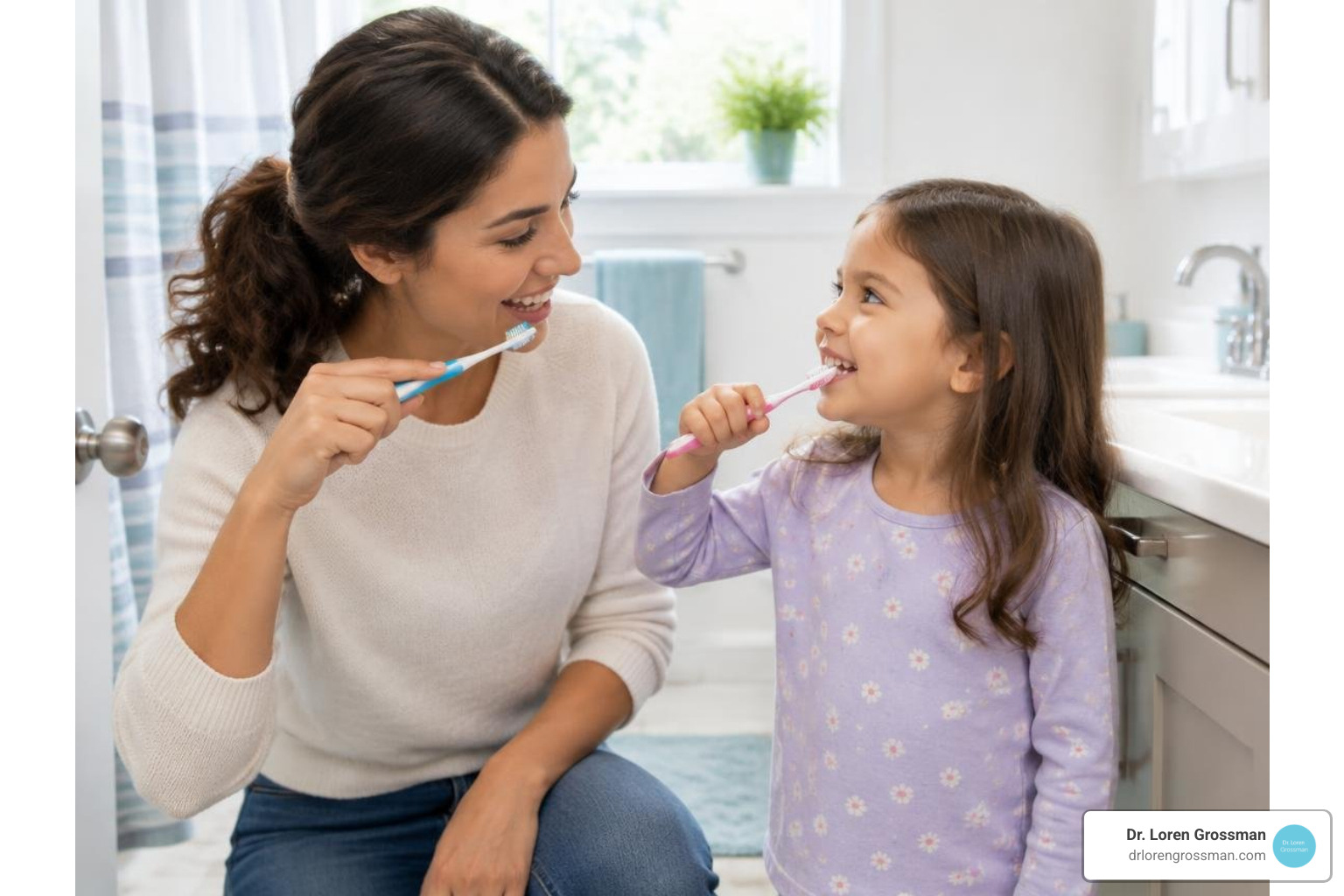
Following CDC guidelines on oral health tips for children, mechanical plaque removal through twice-daily brushing and daily flossing is the most effective way to protect developing smiles.
Age-by-Age Brushing Routines: How to Prevent Cavities in Kids from Infancy to Adolescence
As your child grows, their oral hygiene needs shift. Using the appropriate tools, toothpaste amounts, and level of parental supervision ensures both safety and effective cleaning.
| Age Group | Daily Cleaning Tool | Toothpaste Type & Amount | Recommended Parental Role |
|---|---|---|---|
| Infancy (0–12 Months) | Soft, damp washcloth or infant silicone finger brush | Plain water or a tiny smear of fluoride toothpaste upon first tooth | 100% parent-performed after daily feedings |
| Toddlers (1–3 Years) | Soft-bristled, age-sized manual toothbrush | Smear the size of a grain of rice of fluoride toothpaste | 100% parent-performed twice daily |
| Preschoolers (3–6 Years) | Child-sized soft manual or electric toothbrush | Pea-sized amount of fluoride toothpaste | Parent brushes; child practices under close guidance |
| School Age (6–12 Years) | Soft toothbrush (manual or electric) | Pea-sized amount of fluoride toothpaste | Child brushes independently; parent inspects daily |
| Teens (12+ Years) | Standard soft or electric toothbrush | Standard ribbon of fluoride toothpaste | Independent daily care with periodic reminders |
For infants, gently wipe the gums twice daily with a clean, damp washcloth to remove bacteria and soothe teething discomfort. Once the first tooth emerges, introduce a soft-bristled baby toothbrush. For toddlers younger than 3, use a smear of fluoride toothpaste no larger than a grain of rice. Because children under 3 often swallow toothpaste, this tiny amount provides topical enamel protection while preventing over-ingestion of fluoride.
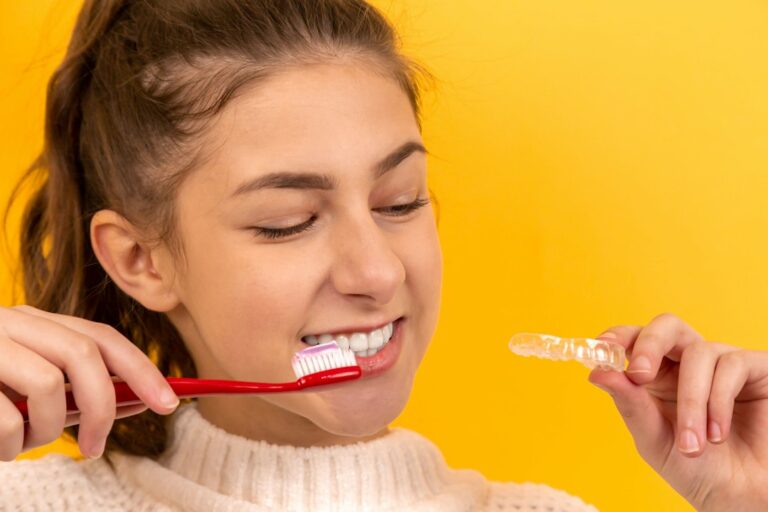
At age 3, transition to a pea-sized dot of fluoride toothpaste and teach your child to spit out the excess rather than swallow it. Most children lack the fine motor skills to clean every tooth surface thoroughly on their own until around age 7 or 8 (roughly when they can tie their own shoes or write in cursive). Continue brushing their teeth or actively assisting them twice a day—once in the morning and once right before bed for two full minutes.
Daily Flossing and Managing Brushing Resistance
Brushing cleans the front, back, and chewing surfaces of teeth, but it misses the tight spaces where adjacent teeth touch. Plaque and food debris trapped between teeth lead directly to interproximal cavities.
You should begin flossing daily as soon as any two teeth touch each other, which commonly happens around age two with the arrival of primary molars. Discovering the real benefits of flossing daily helps establish this essential habit early. For little hands, pre-threaded flosser picks are often easier to manage than traditional string floss.
If your toddler or young child resists toothbrushing time, you are not alone. Turning oral hygiene into an engaging routine rather than a daily struggle makes a significant difference:
- Use Fun Brushing Apps & Music: Set a timer to your child’s favorite two-minute song or utilize animated brushing timer apps.
- Turn It into a Game: Play “find the hidden tooth bugs” where you gently clean while narrating what you “see” on their back molars.
- Offer Autonomy: Let your child choose their own soft toothbrush featuring a favorite character and pick their ADA-accepted fluoride toothpaste flavor.
- Lead by Example: Brush your own teeth alongside your child. Children naturally mirror the routines they see modeled by parents.
For more hands-on strategies, exploring helpful pediatric dental tips for parents can give you extra tools to keep morning and bedtime routines calm and consistent.
Dietary Strategies and Nutrition for Healthy Smiles
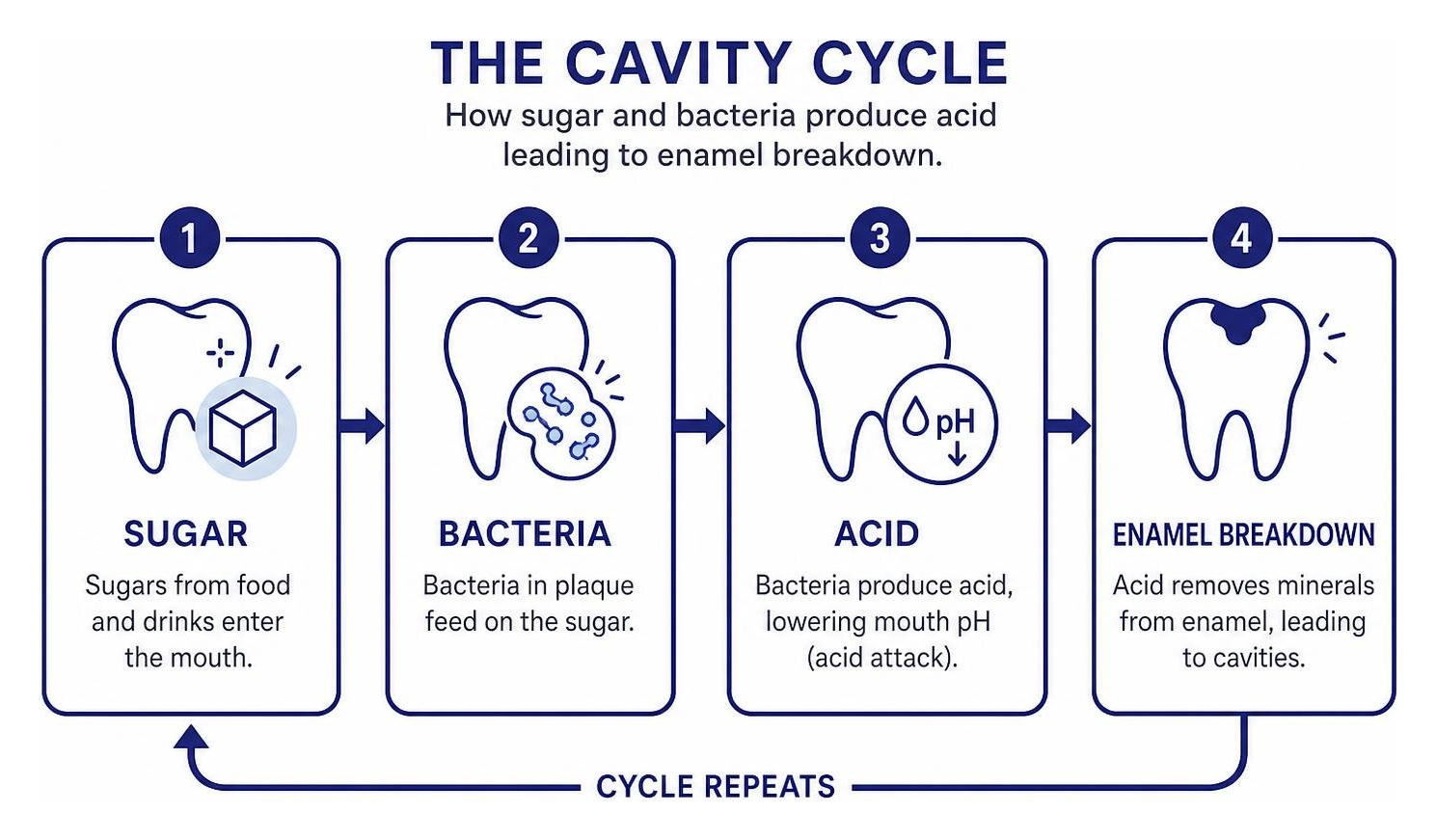
Oral hygiene is only one side of cavity prevention; nutrition and eating patterns play an equally critical role. Whenever your child consumes fermentable carbohydrates (sugars and cooked starches), oral bacteria feed on these sugars and produce acids. This causes the pH level in the mouth to drop sharply, initiating an “acid attack” that demineralizes tooth enamel.
According to research synthesized in the NCBI guide on preventing tooth decay in children and teenagers (NBK279515), frequent consumption of sugary liquids and snacks sustains prolonged acid production in dental plaque, significantly raising the risk of decay.
It typically takes saliva 20 to 30 minutes to buffer these acids and restore a neutral pH balance in the oral cavity. If a child grazes on snacks or sips sweet drinks throughout the day, their teeth are subjected to a continuous acid bath, preventing natural enamel remineralization.
Limiting Added Sugars and Bedtime Bottles: How to Prevent Cavities in Kids
How often sugar enters the mouth matters just as much as how much sugar is consumed. An occasional sweet treat served with a meal is far less harmful than grazing on sugary snacks over several hours. During regular meals, increased saliva flow helps wash away food particles and neutralize acids quickly.
Key dietary habits to protect your child’s smile include:
- Eliminate Bedtime Bottles: Never put your child to bed with a bottle or sippy cup containing milk, formula, juice, or sweetened tea. During sleep, salivary flow drops dramatically. Milk pools around the upper front teeth, leading to rapid, severe decay known as “baby bottle tooth decay.” If your child needs a comforting bedtime cup, offer only plain water.
- Transition from Bottles by Age One: Encourage drinking from an open cup around your baby’s first birthday to minimize prolonged liquid contact with teeth.
- Limit Fruit Juices and Soda: Water should remain the default beverage throughout the day. Avoid sodas, sports drinks, and sweetened iced teas. If serving 100% fruit juice, keep it limited to mealtime and dilute it with water.
- Rethink Sticky Snacks: Dried fruit snacks, gummy vitamins, chewy candies, and crackers cling tightly to the deep grooves of molars, feeding bacteria for hours. Opt for fresh whole fruit rather than processed fruit chews.
Enamel-Building Foods and Fluoridated Water
A balanced diet rich in essential minerals helps fortify developing teeth from within:
- Calcium and Phosphorus: Dairy products (milk, plain yogurt, cheese) and fortified plant milks supply calcium and phosphorus, the primary mineral components of tooth enamel.
- Crisp Vegetables: Celery, carrots, and cucumber slices stimulate healthy saliva production and mechanically sweep loose food particles from teeth.
- Fluoridated Tap Water: Community water fluoridation remains one of the most effective, equitable public health measures in modern history. Drinking fluoridated tap water provides continuous, low-level topical and systemic enamel reinforcement. If your home relies on non-fluoridated well water, discuss alternative supplementation options with your dentist.
Clinical Preventive Treatments: Fluoride Varnish and Dental Sealants
While consistent home care provides day-to-day defense, professional clinical treatments provide strong, targeted protection against decay. Partnering with a dedicated dental team allows for early caries risk assessment and personalized preventive protocols.
Incorporating preventive dentistry practices for lasting oral health ensures small concerns are detected and managed before turning into complex, painful conditions.
When to Schedule the First Dental Visit
Both the American Academy of Pediatric Dentistry (AAPD) and the American Academy of Pediatrics recommend that children visit a dentist by their first birthday, or within six months of the eruption of their first tooth.
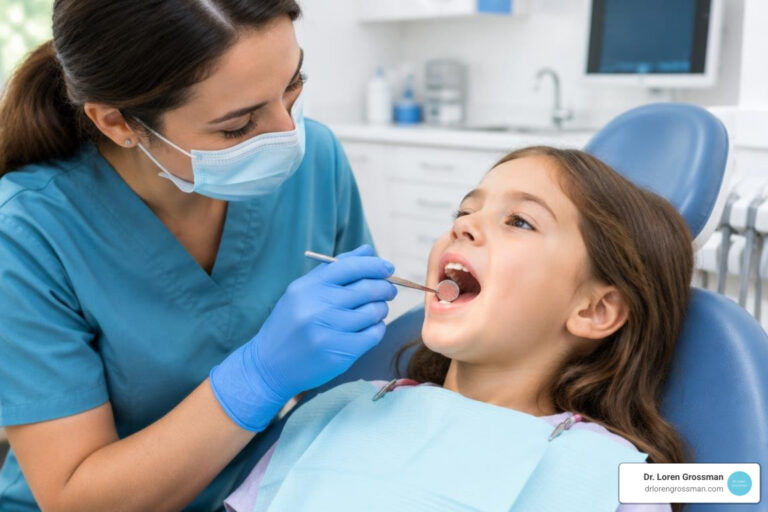
Early visits focus primarily on prevention, gentle examination, and parent coaching rather than invasive procedures. During an infant dental exam, your dentist will:
- Evaluate jaw growth, oral tissues, and dental development.
- Check for signs of lip or tongue ties.
- Identify early enamel demineralization.
- Review dietary habits, nighttime feeding routines, and home brushing techniques.
- Help your child become comfortable in the dental setting, preventing future dental anxiety.
If you are getting ready to book that initial milestone, reviewing how to prepare your child for their first dental visit will help ensure the appointment is calm, positive, and stress-free.
Professional Protection with Fluoride and Sealants
Professional dental check-ups every six months incorporate two high-impact preventive measures:
1. Topical Fluoride Varnish
Fluoride varnish is a pale, concentrated resin painted directly onto the surfaces of primary and permanent teeth using a small, soft brush. It sets immediately upon contact with saliva and delivers high concentrations of fluoride directly into weakened enamel.
According to the Centers for Disease Control and Prevention (CDC), professional fluoride varnish prevents roughly one-third (33%) of cavities in primary teeth. It is non-invasive, quick to apply, and safe for young toddlers. For children at elevated caries risk, applications 2 to 4 times per year provide optimal protection.
2. Dental Sealants
The chewing surfaces of permanent back molars—which usually emerge around age 6 (first molars) and age 12 (second molars)—contain deep anatomical pits and fissures. Toothbrush bristles cannot reach the narrow depths of these microscopic grooves, making them the most common site for childhood decay.
Dental sealants are thin, protective resin coatings bonded into these grooves to act as a physical shield against food debris and plaque bacteria. Applying sealants to permanent molars prevents up to 80% of cavities for two years and continues to protect against 50% of cavities for up to four years. Sealant placement is painless, requires no drilling or numbing, and takes only a few minutes per tooth during standard preventive dental care.
Frequently Asked Questions About Preventing Tooth Decay in Children
What should parents do if they cannot afford or access dental care for their child?
No child should go without essential preventive dental care due to financial constraints. If you lack private dental insurance, explore these accessible options:
- Medicaid and CHIP: The Children’s Health Insurance Program (CHIP) and Medicaid cover comprehensive dental services for qualifying children, including routine exams, cleanings, fluoride, sealants, and fillings. You can review resources for finding a Medicaid-friendly pediatric dental provider to locate participating offices in Pennsylvania.
- Community Health Centers: Federally Qualified Health Centers (FQHCs) offer sliding-fee scales based on household income.
- Dental School Clinics: University dental schools provide preventive and restorative care delivered by dental students supervised by licensed faculty at significantly reduced rates.
- Insure Kids Now Directory: Use the federal InsureKidsNow.gov locator tool to find local dental practices accepting state assistance programs.
Does nighttime breastfeeding increase the risk of tooth decay in toddlers?
Breastfeeding provides unmatched nutritional and immunological benefits for infants. Research confirms that breastfeeding during the first year of life does not independently increase caries risk; in fact, it can reduce overall cavity risks compared to bottle-fed alternatives.
However, once teeth erupt, prolonged on-demand night nursing combined with uncleaned oral plaque can elevate cavity risk. Human milk contains lactose, a fermentable sugar. When infants nurse frequently throughout the night without subsequent gum or tooth wiping, residual milk remains in contact with teeth while saliva production is reduced.
To maintain healthy teeth while nursing:
- Clean your baby’s gums or teeth with a damp cloth after evening feeds.
- Brush twice daily with an appropriate smear of fluoride toothpaste as soon as teeth appear.
- Schedule a first dental visit by age one to assess individual enamel strength and caries risk.
How much fluoride toothpaste is safe for young children?
Fluoride is safe and effective when used in proper, age-calibrated amounts:
- Under 3 Years Old: Use a tiny smear no larger than a grain of rice (a light scrape across the brush bristles). This minimal amount provides direct enamel protection while remaining safe if swallowed.
- Ages 3 to 6: Use a pea-sized amount. Encourage your child to spit out the excess toothpaste after two minutes of brushing.
Using age-appropriate measurements avoids dental fluorosis—a cosmetic condition causing faint white lines on permanent teeth that can occur if excessive fluoride is ingested during early enamel development.
Conclusion: Lifelong Healthy Smiles Begin Early
Preventing childhood cavities is a shared journey built on daily home habits, thoughtful nutrition, and regular clinical care. By starting hygiene routines with your baby’s very first tooth, establishing consistent twice-daily brushing with fluoride toothpaste, and visiting the dentist by their first birthday, you give your child the tools for a lifetime of confident, healthy smiles.
At the practice of Dr. Loren Grossman in Kingston, Pennsylvania, we have proudly served families across Northeastern Pennsylvania since 1984. We deliver personalized, gentle, and comprehensive dental solutions in an environment where both parents and children feel completely comfortable.
Whether your child is ready for their milestone first dental checkup, needs protective dental sealants, or your entire family is due for routine exams, explore our comprehensive dental care services and schedule your visit today.