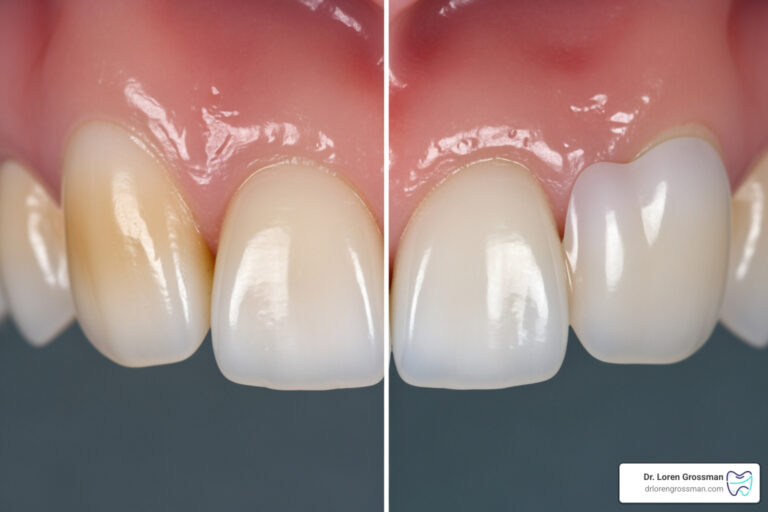
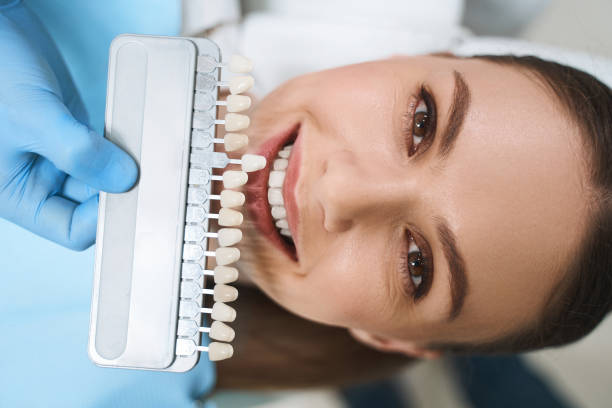
Veneers Payment Plans in Pennsylvania: What to Expect
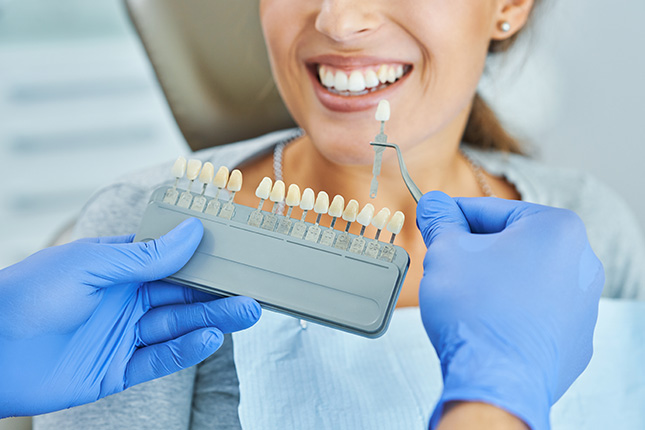
Payment plans for veneers in Pennsylvania may let you spread the cost over monthly payments instead of paying all at once. Ask your dentist for a written estimate, then compare any in-house arrangement with third-party financing. Check the interest rate, fees, and total amount you would repay before choosing a plan.
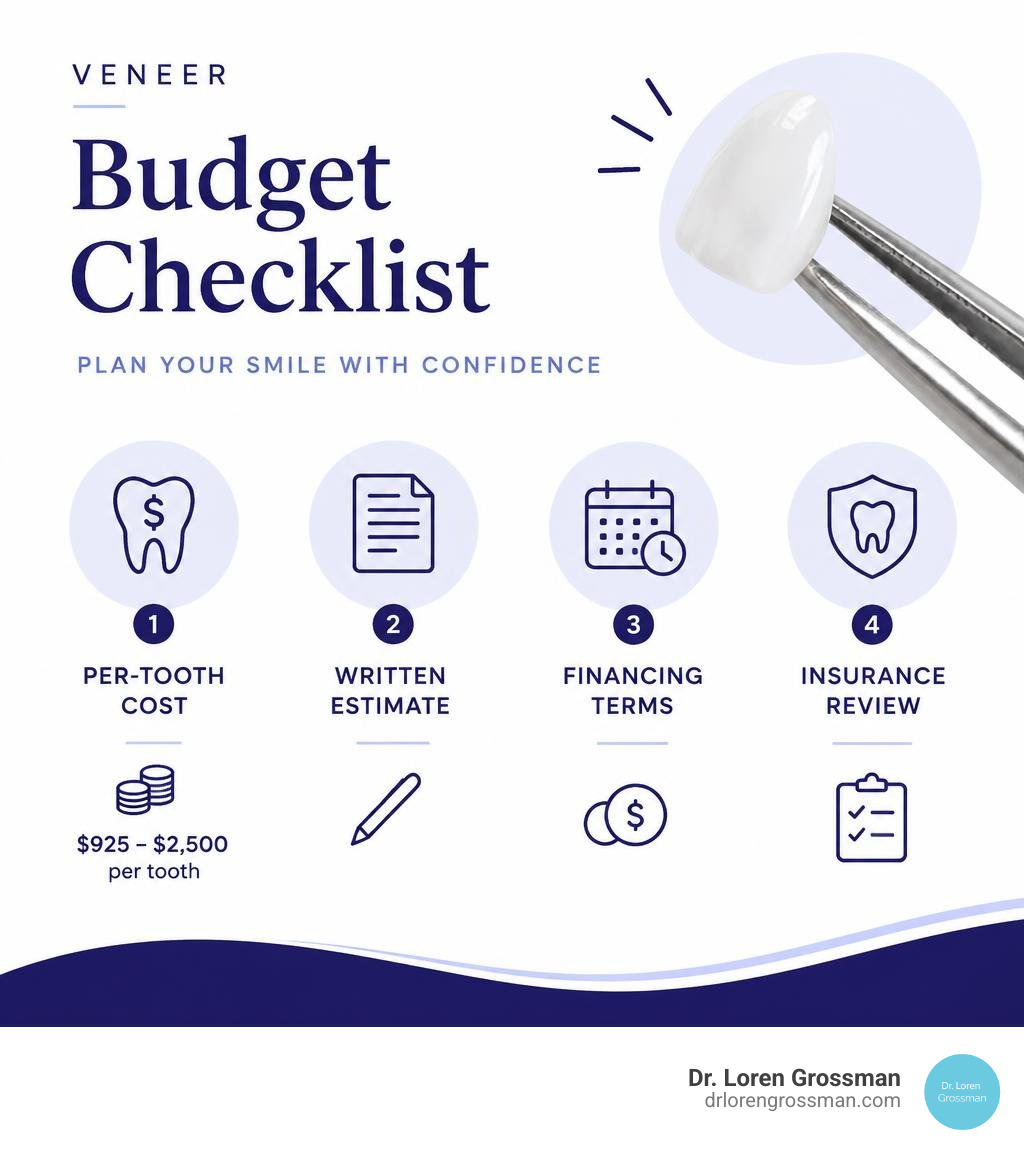
Porcelain veneers often cost $925 to $2,500 per tooth, so the number of teeth you treat has a big effect on your budget. Dental insurance usually does not cover veneers placed only for cosmetic reasons. HSA and FSA funds generally cannot be used for purely cosmetic treatment, either.
I’m Dr. Loren Grossman, and I’ve provided cosmetic and family dentistry in the Wyoming Valley since 1984. My experience helping patients plan smile makeovers informs this guide for people searching veneers payment plans pennsylvania.
How Much Do Porcelain Veneers Cost in Pennsylvania?
Understanding the realistic cost of veneers in PA begins with looking at per-tooth investment ranges. Across Pennsylvania, porcelain veneers typically range from $925 to $2,500 per tooth, with the statewide average hovering around $1,500 per unit.
While that range gives a reliable baseline, cosmetic dentistry is highly customized. A patient repairing a single chipped front tooth will have vastly different financial requirements than someone redesigning their entire smile line across eight to ten teeth.
| Treatment Scope | Average Tooth Count | Typical Pennsylvania Cost Range | Common Monthly Estimate (24–36 Mos) |
|---|---|---|---|
| Single Tooth Repair | 1 tooth | $925 – $2,500 | $40 – $110 / month |
| Partial Smile Makeover | 4 – 6 teeth | $3,700 – $15,000 | $160 – $450 / month |
| Full Upper Arch | 8 – 10 teeth | $7,400 – $25,000 | $280 – $750 / month |
| Complete Dual-Arch Transformation | 12 – 16+ teeth | $11,100 – $40,000+ | $450 – $1,200+ / month |
Reviewing standard fee structures in our cosmetic dentistry price guide reveals that geographic location and dental practice overhead also play a role. Clinics located in major metropolitan downtown centers often face higher facility overhead, which can influence pricing compared to dedicated private practices in regions like Northeastern Pennsylvania.
Key Factors Influencing Veneer Pricing Across PA
No two smiles share the exact same anatomy, which is why fees vary from patient to patient. Several primary factors determine where your treatment falls within the pricing spectrum:
- Dentist Expertise and Credentials: Creating natural, lifelike veneers requires extensive aesthetic training. An experienced cosmetic dentist understands how tooth proportions, facial symmetry, and shade gradients interact.
- Dental Lab Quality & Artisan Ceramists: High-end porcelain veneers are crafted by master dental technicians. Hand-layered porcelain mimics natural tooth translucency far better than standard milled blocks, though custom master-lab fabrication commands higher lab fees.
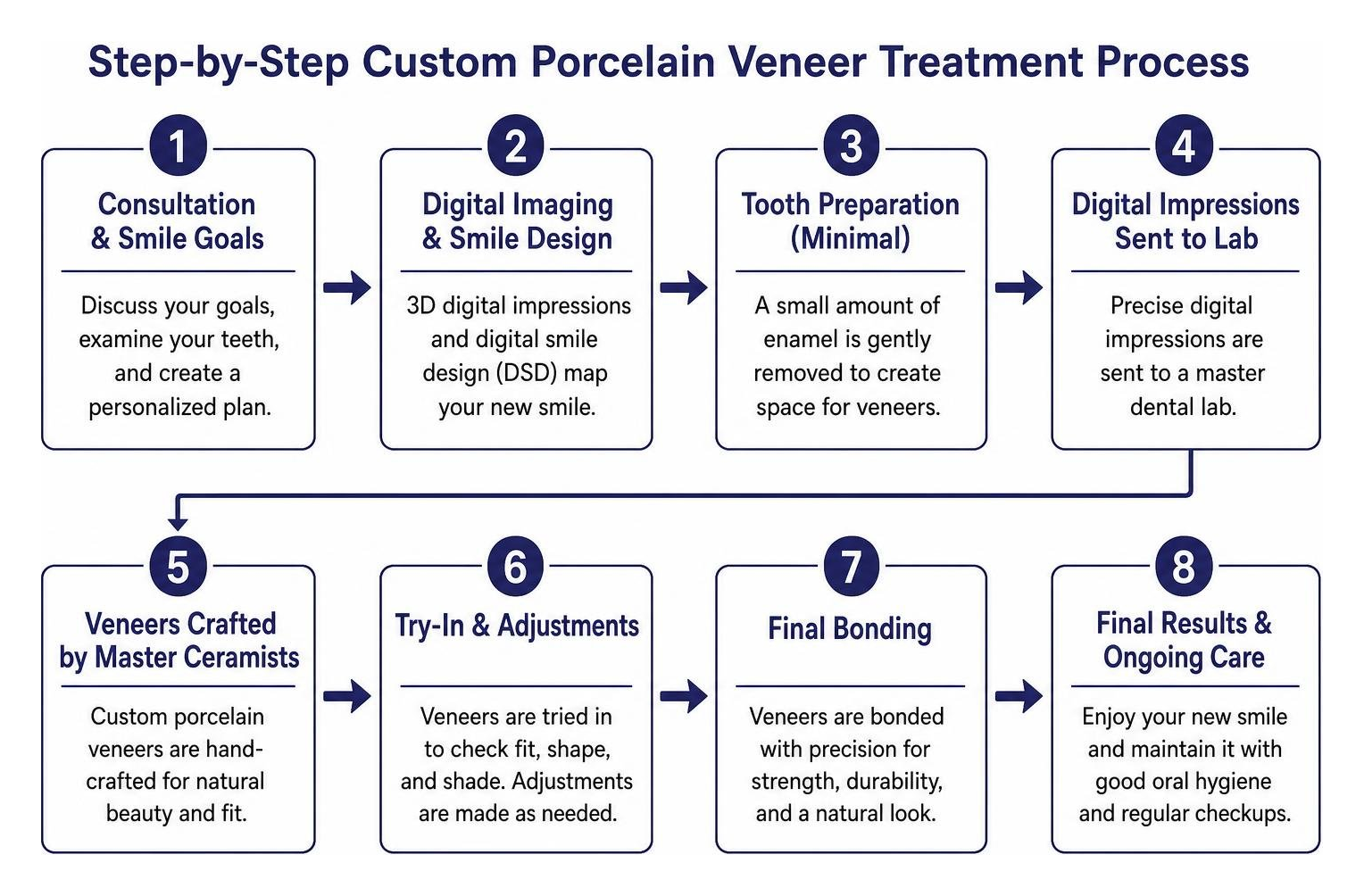
- Advanced Technology: The use of 3D digital impressions, digital smile design (DSD), and intraoral scanners ensures an exact fit, reducing adjustment time and enhancing long-term comfort.
- Preparatory Oral Health Needs: Before placing veneers, underlying oral health must be pristine. If you require preliminary gum contouring, deep cleanings, or decay removal, these preparatory steps factor into the total investment.
Single Tooth Restoration vs. Full Smile Makeover Costs
When deciding on treatment, determining how many teeth are visible when you smile is key. If you have an isolated tooth with deep intrinsic discoloration or an old injury, a single veneer matched to your adjacent natural teeth offers a targeted, cost-effective solution.
However, patients seeking comprehensive aesthetic harmony often choose a full arch. When reviewing overall smile makeover pricing, treating six to ten upper teeth allows for complete control over tooth shape, length, alignment, and brightness. While a full arch represents a larger upfront commitment, structuring the treatment through monthly installments keeps comprehensive transformations accessible.
Exploring Veneers Payment Plans in Pennsylvania
A major cosmetic procedure shouldn’t strain your daily finances. Thanks to modern patient financing, you do not need to pay the entire balance upfront. Today, various structured financing pathways make treatment manageable.

Reviewing our Pennsylvania dental financing options helps clarify how monthly terms are structured. Understanding these options—supported by recommendations in guidelines like the American Dental Association’s paying for dental treatment guide—ensures you can choose a payment method that fits your personal financial comfort level.
Third-Party Financing and Veneers Payment Plans in Pennsylvania
Third-party healthcare lenders specialize in medical and dental financing, offering tailored terms that traditional credit cards rarely match. The most common third-party platforms utilized in Pennsylvania include:
- CareCredit: One of the most widely accepted healthcare credit lines. CareCredit frequently offers 6-month to 24-month promotional no-interest plans on qualifying balances when paid in full within the promotional window. For larger smile makeovers, they provide extended payment plans spanning up to 60 months with competitive fixed interest rates.
- Sunbit: Known for accessible approval rates and transparent terms, Sunbit performs a soft credit check that does not affect your credit score during the initial application. It breaks treatment costs into predictable 6-, 12-, or 24-month payment schedules.
- LendingClub Patient Solutions: Designed specifically for comprehensive aesthetic procedures, LendingClub provides fixed-rate installment loans with terms extending up to 84 months, making large treatment investments easy to manage on a monthly basis.
- Proceed Finance: Specializing in larger aesthetic and restorative investments, Proceed Finance offers low-interest, long-term repayment plans that help keep monthly obligations low.
In-House Options: Payment Plans for Veneers in Pennsylvania
In addition to dedicated medical lenders, many private practices offer localized financial solutions to accommodate their patients:
- Phased Treatment Schedules: If you are planning an extensive treatment involving both arches, your dentist may phase the procedure. Completing your upper arch first and staging the lower arch months later lets you budget in distinct steps.
- In-House Membership Programs: Many practices provide in-house dental savings plans. While these memberships primarily cover preventive services like cleanings and exams, they frequently include a percentage discount (often 10% to 15%) on elective cosmetic services, including veneers.
- Multi-Unit Courtesy Discounts: When placing comprehensive sets of six or more custom veneers, dental practices can sometimes streamline laboratory fabrication costs and extend courtesy savings on the overall package.
Navigating Dental Insurance, HSAs, and FSAs for Veneers
A frequent question from patients is whether traditional benefits can reduce out-of-pocket veneer costs. Navigating benefit coverage requires understanding how dental insurance distinguishes between elective aesthetic changes and medically necessary restorations.
When Does Dental Insurance Cover Veneers?
Standard dental insurance policies are designed to cover preventive care, basic fillings, and necessary functional repairs. As detailed in our breakdown of cosmetic dentistry insurance coverage, procedures performed purely to improve smile aesthetics are excluded from coverage.
However, exceptions exist when treatment serves a clear restorative purpose. You can learn more about how insurance might cover restorative veneers under specific diagnostic scenarios:
- Traumatic Tooth Injury: If an accident causes severe structural breakage or chipping, insurance may cover a portion of the restoration.
- Severe Enamel Hypoplasia or Acid Erosion: Significant loss of protective tooth enamel causing functional impairment may qualify for restorative benefits.
- Replacing Compromised Restorations: Replacing an old, failed crown or damaged veneer that leaves the underlying tooth vulnerable to decay can sometimes warrant partial coverage.
When restorative criteria are met, your dental team can submit a detailed pre-treatment estimate with clinical x-rays and intraoral photographs to maximize your entitled benefits.
Utilizing HSA and FSA Accounts for Veneer Treatments
Health Savings Accounts (HSAs) and Flexible Spending Accounts (FSAs) allow you to pay for qualifying medical and dental expenses using pre-tax dollars, creating an effective 20% to 30% savings depending on your tax bracket.
- Elective Cosmetic Limitations: Internal Revenue Service (IRS) regulations specify that pre-tax funds cannot be used for procedures whose sole purpose is cosmetic enhancement (such as routine teeth whitening or elective veneers).
- Restorative Justification: If your dentist documents that a veneer is required to restore basic oral function, repair dental trauma, or protect a compromised tooth structure, you can typically use your HSA or FSA debit card to pay for that portion of treatment.
- Managing FSA Deadlines: FSA funds often operate on a “use-it-or-lose-it” annual basis. If you have accrued pre-tax dollars and require restorative dental work before the calendar year closes, combining your FSA balance with third-party financing can minimize out-of-pocket stress.
Maximizing Longevity and Value: Porcelain vs. Composite Veneers
When budgeting for a smile makeover, evaluating the long-term value of your investment is just as important as managing upfront costs. The two primary materials used for dental veneers are custom porcelain and direct composite resin.
Understanding the differences when choosing between porcelain and composite veneers helps ensure your aesthetic and financial goals align:
- Porcelain Veneers:
- Durability & Lifespan: Typically last 10 to 20 years with proper home care and routine cleanings.
- Aesthetic Quality: Crafted from non-porous ceramic that mimics natural tooth enamel translucency and resists staining from coffee, tea, and red wine.
- Long-Term Cost Efficiency: While porcelain requires a higher initial investment ($925 to $2,500 per tooth), its exceptional lifespan minimizes replacement frequency over time.
- Composite Resin Veneers:
- Durability & Lifespan: Generally last 4 to 7 years before requiring polishing, repair, or replacement.
- Aesthetic Quality: Applied directly in a single visit; offers good aesthetic results but is more susceptible to surface staining and chipping over time.
- Initial Cost: Averages $400 to $1,200 per tooth, making it a viable short-term budget option, though maintenance and replacement cycles occur sooner.
Following a comprehensive veneer process—including digital impressions, conservative enamel preparation, precise bonding, and wearing a protective night guard if you clench your jaw—ensures you get the maximum lifespan out of your investment.
Frequently Asked Questions About Veneers Financing in Pennsylvania
What is the average monthly payment for porcelain veneers?
Monthly payments depend on the total number of veneers placed, your down payment, and your financing term length. On average:
- Partial Treatment (4 Veneers): Financing approximately $6,000 over 36 months typically results in payments between $180 and $220 per month depending on interest rates.
- Full Arch (8 Veneers): Financing approximately $12,000 over 48 to 60 months generally ranges from $240 to $320 per month.
- Promotional 0% Plans: If you utilize a 12-month zero-interest CareCredit plan on a $3,600 balance, your monthly payment would be $300 per month with no added interest fees when paid on time.
Can I get approved for veneer financing with bad credit?
Yes. While prime lenders look for strong credit scores, several financing platforms cater to patients building or repairing credit:
- Sunbit approves over 85% of applicants by focusing on overall financial health rather than credit scores alone, performing only a soft credit pull during pre-qualification.
- Co-Signer Options: Programs like CareCredit and LendingClub allow applicants to apply with a creditworthy co-signer to secure lower interest rates and higher credit limits.
- Phased In-House Staging: If third-party financing limits are lower than your total treatment plan, your dentist can stage treatment across several months, allowing you to pay in smaller increments as each phase is completed.
What does it cost to replace a damaged veneer in Pennsylvania?
Replacing a single damaged or aged porcelain veneer in Pennsylvania generally costs between $500 and $2,500.
If a veneer simply debonds intact without breaking, your dentist can often clean, re-etch, and rebond the original restoration for a standard clinical re-cementation fee. If the porcelain is fractured or chipped due to trauma or teeth grinding, a new veneer must be fabricated by the dental lab. Maintaining routine biannual check-ups and wearing a custom night guard protects your restorations and preserves long-term value.
Conclusion
A radiant, balanced smile enhances your self-image, professional presence, and day-to-day confidence. While quality cosmetic dentistry requires a financial investment, modern financing pathways ensure that budget concerns don’t stand between you and your ideal smile.
At the office of Dr. Loren Grossman in Kingston, PA, we combine advanced digital dentistry with a patient-first philosophy. We take the time to design personalized aesthetic solutions and walk you through every financing option—ensuring your treatment is comfortable, predictable, and stress-free.
Explore our custom porcelain veneer treatments to see what is possible, or schedule a free consultation today to get a clear, personalized cost breakdown and financing plan tailored to your smile.