What Most Patients Don’t Know About Dental Insurance and Cosmetic Procedures
Is cosmetic dentistry covered by insurance? For most procedures, the short answer is no — but there are important exceptions that could save you thousands of dollars.
Here is a quick breakdown:
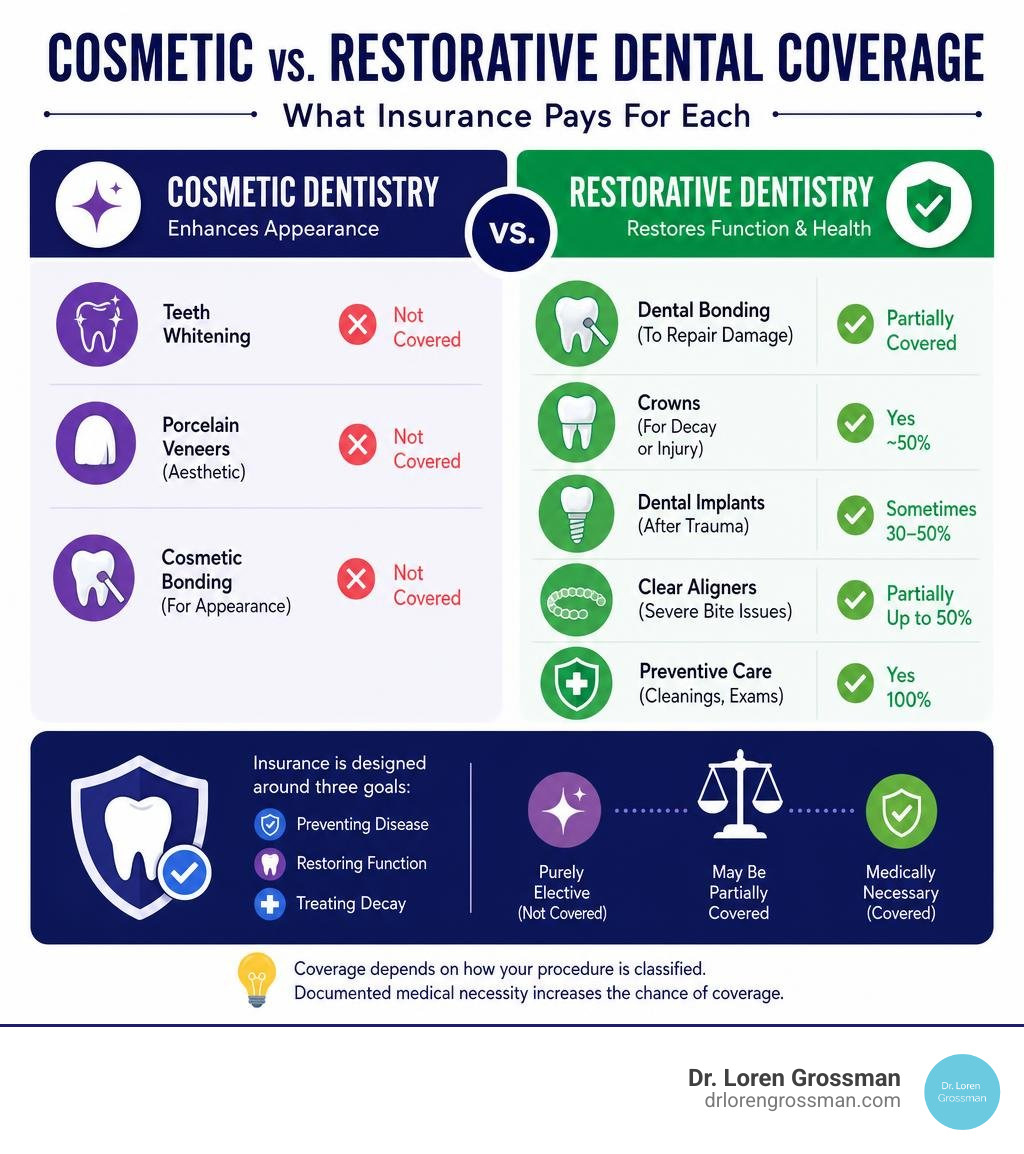
| Procedure | Typically Covered? | Notes |
|---|---|---|
| Teeth whitening | No | Classified as purely elective |
| Porcelain veneers (aesthetic) | No | 0% coverage under standard plans |
| Dental bonding (to repair damage) | Partially | May qualify as restorative |
| Crowns (for decay or injury) | Yes, ~50% | Covered as major restorative |
| Dental implants (after trauma) | Sometimes, 30–50% | Requires documented medical necessity |
| Clear aligners (severe bite issues) | Partially | Up to 50%, with lifetime caps of $1,500–$3,500 |
| Preventive care (cleanings, exams) | Yes, 100% | Always covered under standard plans |
The core issue is how your insurer defines your procedure. Dental insurance is built around three goals: preventing disease, restoring function, and treating decay. Anything done purely to improve how your smile looks is classified as elective — and elective means not covered.
That said, many cosmetic treatments also serve a real functional purpose. And when they do, partial coverage is often possible — if you know how to document and present your case correctly.
According to the American Dental Association, 63% of U.S. adults have private dental benefits. Yet most of those plans were designed for checkups and fillings, not smile makeovers. Understanding where the line is drawn — and where it blurs — is the key to avoiding surprise bills.
I’m Dr. Loren Grossman, a cosmetic and family dentist serving Northeastern Pennsylvania since 1984, and over four decades of helping patients navigate the question of is cosmetic dentistry covered by insurance has taught me exactly where the coverage opportunities lie. In this guide, I’ll walk you through everything you need to know before committing to any cosmetic treatment.
Is cosmetic dentistry covered by insurance word roundup:
Cosmetic vs. Restorative Dentistry: How Insurers Draw the Line
To understand how insurance companies evaluate your claims, you have to look at the world through their eyes. Insurers divide dental care into distinct categories based on “medical necessity” and “functional impairment.”
If a procedure treats active disease, infection, pain, or structural damage, it is classified as restorative. If it exists solely to enhance the visual appeal of teeth that are otherwise structurally sound, it is classified as cosmetic.
This distinction determines whether you get coverage under the standard 100/80/50 rule of dental insurance:
- Preventive Care (100% covered): Routine cleanings, exams, and diagnostic X-rays.
- Basic Restorative (70% to 80% covered): Fillings, simple extractions, and root canals.
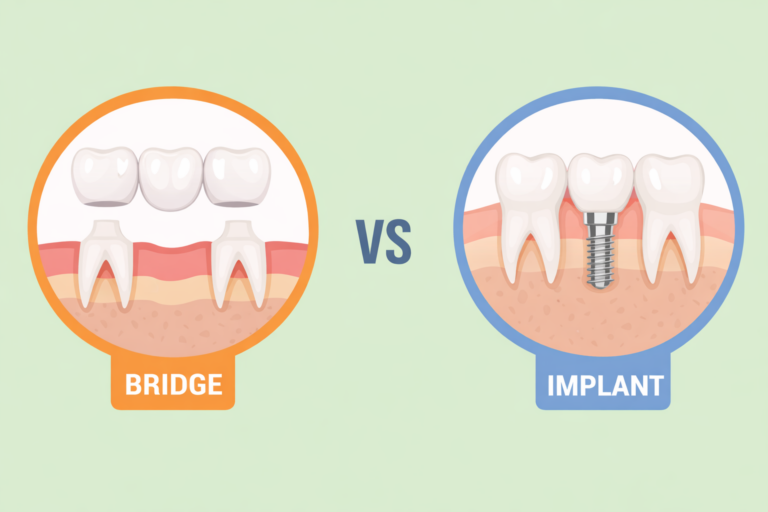
- Major Restorative (50% covered): Crowns, bridges, and sometimes implants.
- Cosmetic Care (0% covered): Purely elective treatments like teeth whitening or aesthetic veneers.
Insurers rely strictly on Current Dental Terminology (CDT) codes to automate these decisions. If your treatment plan uses a cosmetic code (such as D9971 for whitening), the system automatically denies it. However, if your treatment plan addresses structural damage using restorative codes, it may qualify for coverage.
For example, if you need a porcelain crown to protect a cracked or severely decayed tooth, it serves a dual purpose. It restores your tooth’s structural integrity while giving you a beautiful, natural-looking result. In this case, your plan may cover up to 50% of the cost under your major restorative benefits. To learn more about how crowns fit into your budget, check out the pennsylvania dental crown cost guide affordable ways to save your smile.
| Feature | Cosmetic Dentistry | Restorative Dentistry |
|---|---|---|
| Primary Goal | Enhance visual aesthetics (color, shape, alignment) | Repair damage, treat disease, and restore oral function |
| Medical Necessity | Elective (not medically necessary) | Essential for oral health and physical function |
| Typical Procedures | Whitening, aesthetic veneers, cosmetic gum contouring | Fillings, crowns, root canals, bridges, implants |
| Standard Insurance Coverage | 0% (completely out-of-pocket) | 50% to 80% (subject to deductibles and maximums) |
| Common Trigger | Personal desire for a brighter, more even smile | Decay, trauma, infection, tooth loss, or severe wear |
When Is Cosmetic Dentistry Covered by Insurance?
While purely elective makeovers are excluded, there are several scenarios where a cosmetic procedure may be partially covered by insurance. The magic words here are functional overlap and medical necessity.
If we can prove that a treatment is required to restore function or repair damage, the insurance company is far more likely to approve the claim. Common exceptions include:
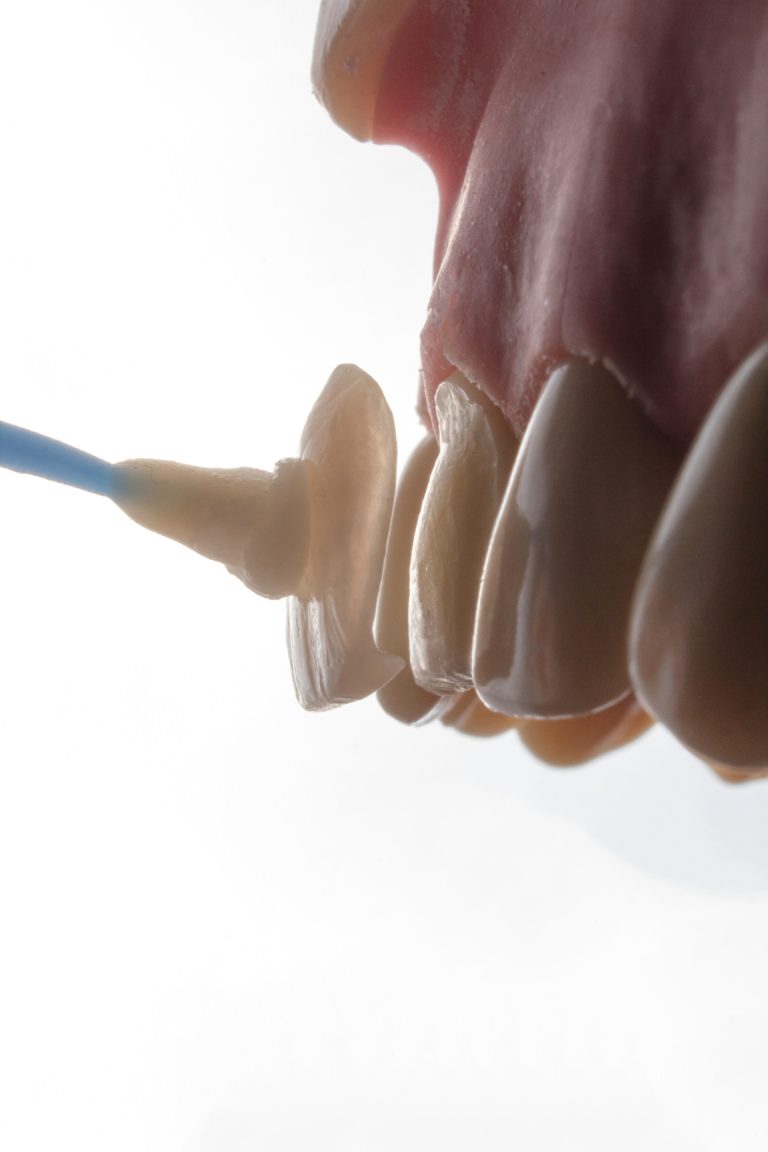
- Accidental Injury or Physical Trauma: If you chip, break, or lose teeth in a sports injury, car accident, or fall, the treatments required to rebuild your smile are often covered under restorative benefits—even if we use highly aesthetic materials like porcelain veneers or composite bonding.
- Significant Structural Loss from Decay: When decay has compromised a tooth so severely that a standard filling cannot support it, a crown or a restorative veneer is medically necessary to prevent the tooth from splitting.
- Congenital or Developmental Conditions: Genetic conditions like Amelogenesis imperfecta (which causes poorly developed enamel) or severe congenital clefts require cosmetic restorations to protect the underlying tooth structure and allow for normal chewing.
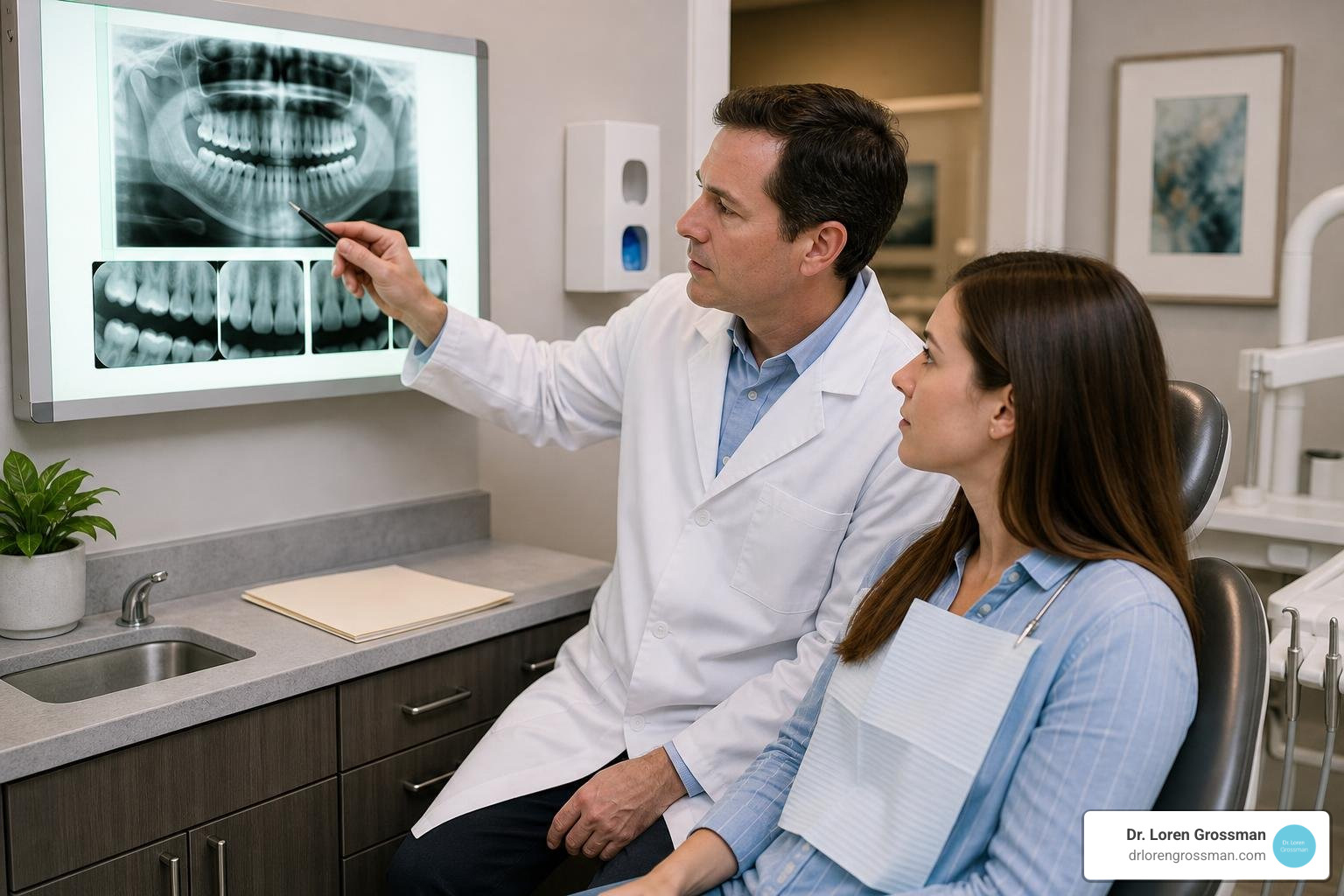
Documentation is what changes the outcome of these claims. A 2025 report from the Nevada Division of Insurance highlighted a fascinating national trend: 68% of claims for hybrid cosmetic-restorative work were approved when accompanied by robust clinical documentation from the dentist. This means submitting detailed digital X-rays, intraoral photos, and a clear clinical narrative explaining why the tooth is structurally compromised.
If you are hoping to restore damaged front teeth using high-quality porcelain, read our detailed guide on how to get insurance to cover your dental veneers.
Understanding the Gray Area: Is Cosmetic Dentistry Covered by Insurance for Restorative Needs?
The line between cosmetic and restorative care is particularly thin when it comes to everyday treatments like dental bonding and composite fillings.
In the past, dentists used silver amalgam fillings to treat decay. Today, we use tooth-colored composite resins that blend seamlessly with your natural teeth. While this is an obvious aesthetic upgrade, insurers categorize composite fillings under basic restorative care because they treat active decay.
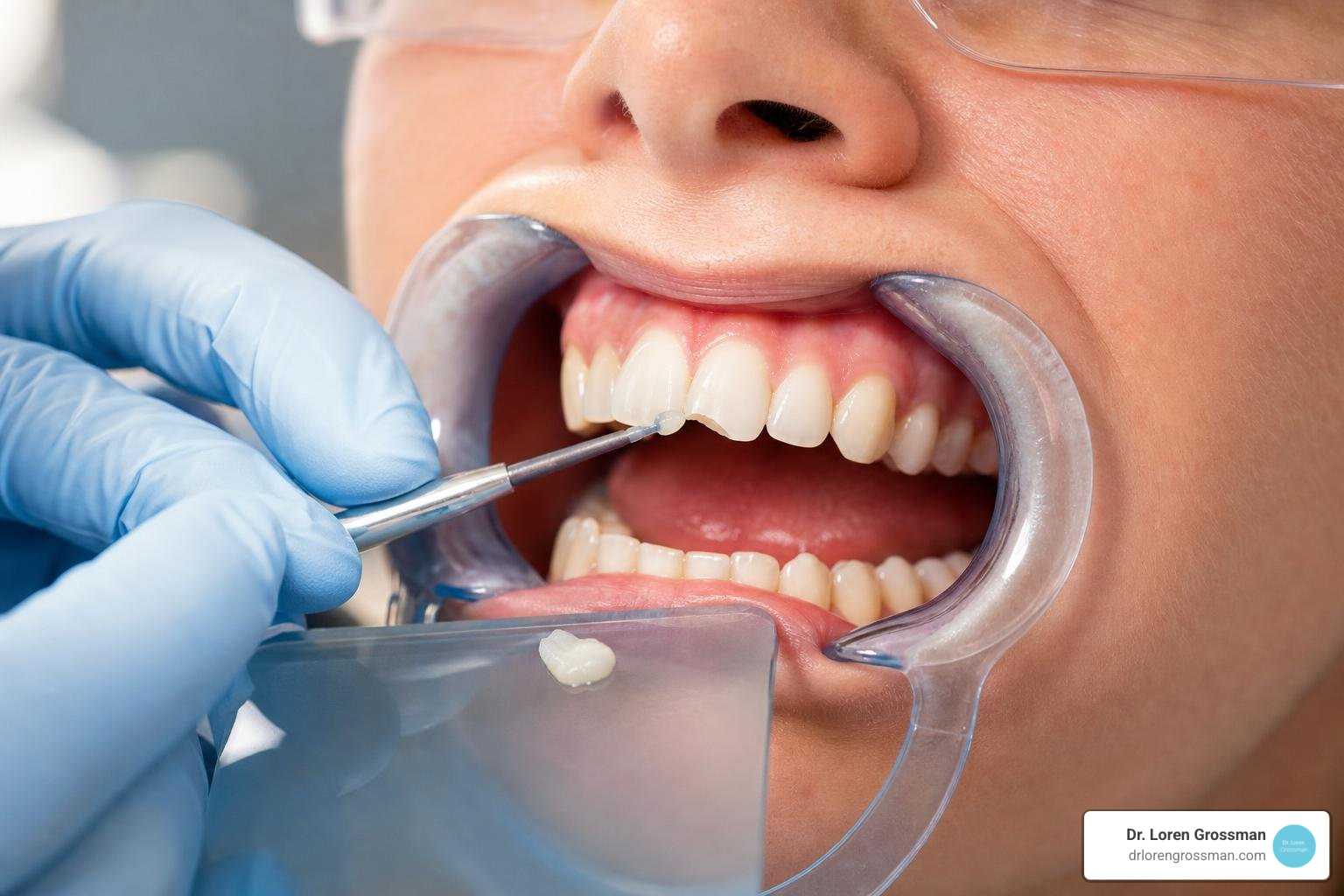
Similarly, dental bonding is a highly versatile treatment. If you use bonding to close a small, healthy gap between your front teeth, your insurer will classify it as elective. But if you use that same composite resin to repair a tooth that was chipped in an accident or structurally weakened by decay, the procedure is restorative. Because bonding is minimally invasive and preserves your natural tooth structure, insurers are often very willing to cover a portion of the cost.
Orthodontics and Clear Aligners: Is Cosmetic Dentistry Covered by Insurance for Bite Correction?
Orthodontic treatment is another common “gray area” procedure. Many adults seek clear aligners because they want straighter teeth, which is a cosmetic goal. However, severe malocclusion (a misaligned bite) can cause functional chewing issues, jaw pain (TMJ), and uneven tooth wear.
While adult coverage for clear aligners is rare in basic dental plans, many premium employer-sponsored plans offer orthodontic benefits. If a severe bite issue is causing documented functional problems, your plan may cover up to 50% of the cost, with typical lifetime caps ranging from $1,500 to $3,500.
To see if your plan includes these benefits, it helps to understand how your specific network operates. You can read more in our resources on your guide to navigating the delta dental premier network and searching for smiles how to find a delta dental dentist in your neighborhood.
Out-of-Pocket Costs for Popular Cosmetic Procedures
If your insurance plan does not cover your desired treatment, you will need to plan for out-of-pocket costs. The price of cosmetic dentistry varies widely depending on the materials used, the complexity of your case, and the expertise of your provider.
Here are the typical national and regional cost ranges for popular cosmetic procedures:
- Porcelain Veneers: Typically range from $1,000 to $2,500 per tooth. Because a full smile transformation often involves six to eight veneers, the total cost can be a significant investment. You can find a complete breakdown of local pricing in the price of a perfect smile veneers cost in pa.
- Professional Teeth Whitening: In-office professional whitening generally costs between $300 and $1,000. While over-the-counter options are cheaper, they do not offer the same strength, speed, or safety as professional treatments. Read more in our teeth whitening cost guide is a professional shine worth the dime.
- Dental Implants: Replacing a missing tooth with an implant typically costs $3,000 to $6,000 per tooth. Fortunately, dental implants are increasingly covered at 30% to 50% in modern employer plans when they are justified as medically necessary to prevent bone loss and restore chewing function after an extraction.
- Dental Bonding: Usually costs $100 to $600 per tooth, making it one of the most affordable ways to quickly correct minor imperfections.
For a comprehensive look at how to budget for a complete transformation, explore our smile makeover cost guide 2026.
How to Maximize Your Benefits and Secure Coverage
Navigating dental insurance can feel like trying to solve a puzzle in the dark, but there are proven strategies you can use to maximize your benefits:
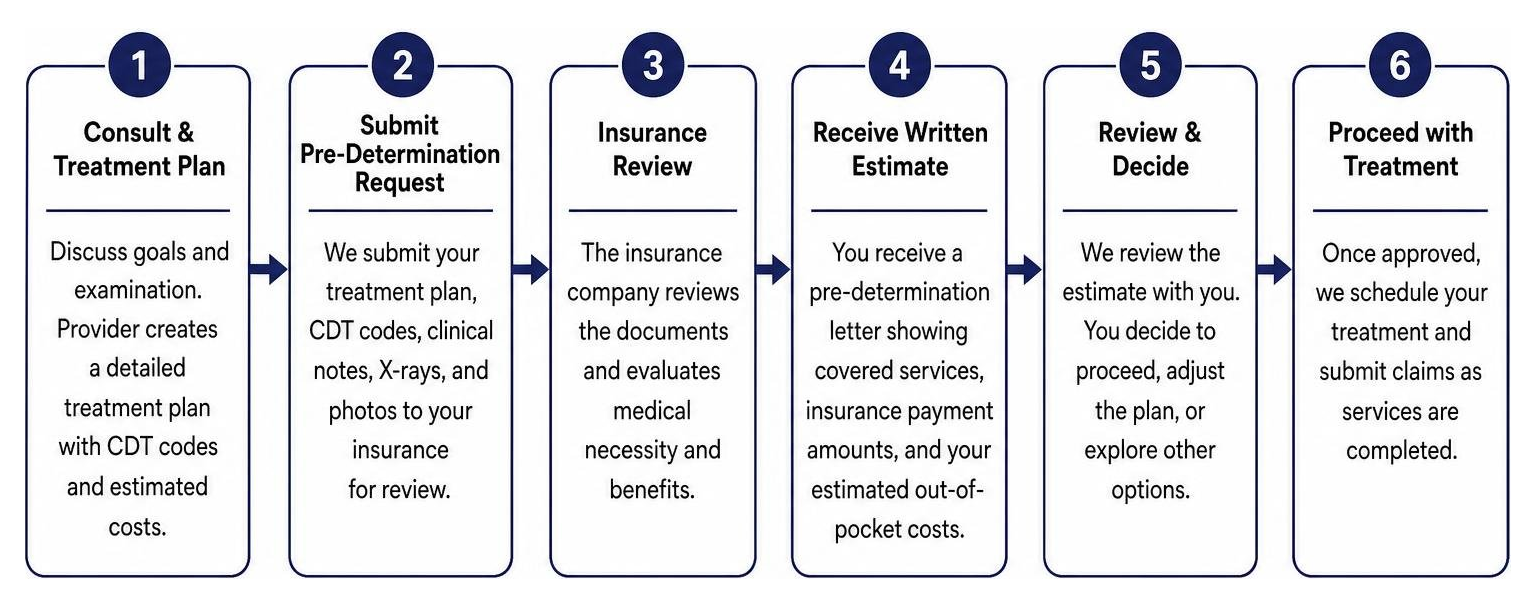
- Request a Pre-Determination of Benefits: Before starting any treatment over $500, we can submit a pre-determination request to your insurer. Your insurance company will review the proposed treatment plan, CDT codes, and clinical notes, and send back a written estimate of exactly what they will pay and what your out-of-pocket balance will be. This eliminates financial surprises.
- Submit Strong Clinical Narratives: We take detailed intraoral photographs and digital X-rays to prove structural damage or decay. When we submit a claim for a hybrid cosmetic-restorative procedure, we write a highly detailed clinical narrative explaining why the treatment is functionally necessary.
- Use the “Two-Year Strategy”: Standard dental plans have an annual maximum cap, usually between $1,000 and $2,000. Only about 3% of general PPO enrollees hit this cap, but 12% of patients needing moderate-to-major care do. If you have a large treatment plan, we can often phase your care across two benefit years—scheduling part of the work in December and the rest in January—to utilize two separate annual maximums.
- Appeal Denied Claims: Roughly 15% to 20% of dental claims are denied on first submission, often by automated systems. If a legitimate restorative claim is denied, do not assume it is over. We can submit a formal appeal with additional diagnostic evidence to secure the coverage you deserve.
Alternative Financing and Savings Options
If your traditional dental insurance does not cover your cosmetic treatment, there are several highly effective ways to make your smile makeover affordable:
- In-House Dental Membership Programs: These programs have grown 42% in the U.S. as a popular alternative to traditional insurance. For a flat annual fee, members receive their preventive care (cleanings and exams) at no additional cost, plus direct discounts of 20% to 50% on elective cosmetic treatments like veneers, whitening, and implants.
- HSA and FSA Pre-Tax Dollars: While the IRS prohibits using Health Savings Account (HSA) or Flexible Spending Account (FSA) funds for purely cosmetic procedures, any treatment that falls into the “gray area” of restorative care (such as bonding to repair a chip, crowns, implants, or orthodontic aligners for bite correction) is an eligible expense. Using pre-tax dollars can effectively save you 20% to 30% depending on your tax bracket.
- Third-Party Healthcare Financing: Programs like CareCredit and Lending Club offer specialized medical credit cards and low-interest installment loans. Many of these plans feature promotional 0% interest periods for 6 to 24 months, allowing you to break your treatment cost into manageable monthly payments.
At our practice in Kingston, PA, we focus on helping you combine elite aesthetic artistry with strategic financial planning to ensure your treatment fits comfortably within your budget.
To explore all of your payment options in detail, read our pennsylvania dental financing guide for a stress-free makeover and your guide to finding a cheap dentist in kingston today.
For those navigating government-sponsored programs, we also provide resources on finding a medicaid dentist a step-by-step guide and navigating the medicaid maze for your childs smile.
Frequently Asked Questions about Cosmetic Dental Insurance
Does dental insurance cover teeth whitening or veneers?
In almost all cases, no. Traditional dental insurance plans classify teeth whitening and aesthetic porcelain veneers as purely elective cosmetic procedures, meaning they receive 0% coverage. However, if a veneer is used to restore a tooth that has suffered significant structural damage from decay or trauma, partial coverage may apply if supported by strong clinical documentation. For more answers to common dental questions, visit our faqs page.
What is a pre-determination of benefits?
A pre-determination of benefits is a formal request submitted by our office to your insurance provider before your treatment begins. We send your customized treatment plan, relevant CDT codes, X-rays, and clinical photos. The insurer responds with a detailed breakdown showing exactly what they will cover and what your estimated out-of-pocket costs will be, allowing you to plan your budget with total confidence.
Can I use my HSA or FSA for cosmetic dentistry?
According to IRS guidelines, purely cosmetic procedures (like teeth whitening or elective veneers on healthy teeth) are not eligible for HSA or FSA reimbursement. However, any procedure that serves a restorative purpose—such as repairing a chipped tooth with dental bonding, placing a crown, or correcting a bite issue with clear aligners—is an eligible expense, allowing you to save money using pre-tax dollars.
Conclusion
At the dental practice of Dr. Loren Grossman, we believe that everyone deserves a healthy, radiant smile that they can show off with pride. While navigating dental insurance can be complicated, you do not have to do it alone. Our experienced team is dedicated to helping you maximize your dental benefits, handle the insurance paperwork, and find the perfect financing solutions to bring your dream smile within reach.
We provide top-tier cosmetic and general dentistry in Northeastern Pennsylvania, combining state-of-the-art technology with a warm, patient-focused approach. Whether you are interested in a subtle refresh or a complete smile makeover, we are here to deliver exceptional results.
Ready to take the first step toward your new smile? Contact us today to schedule your free consultation.
Transform your smile with Dr. Loren Grossman’s cosmetic dentistry services and experience the life-changing confidence of a healthy, beautiful smile!