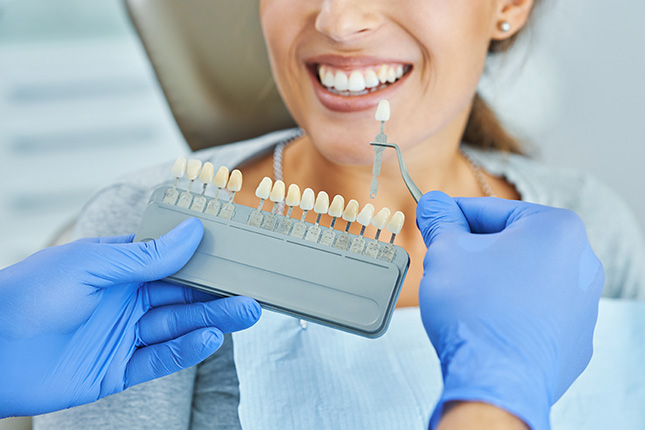
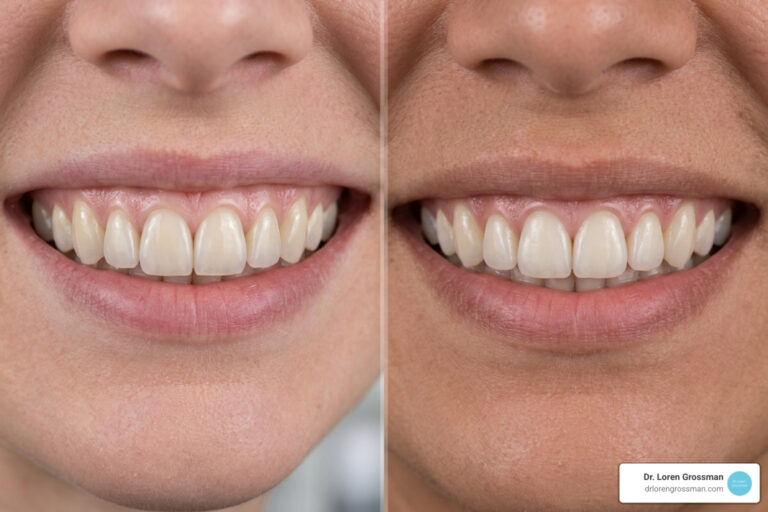
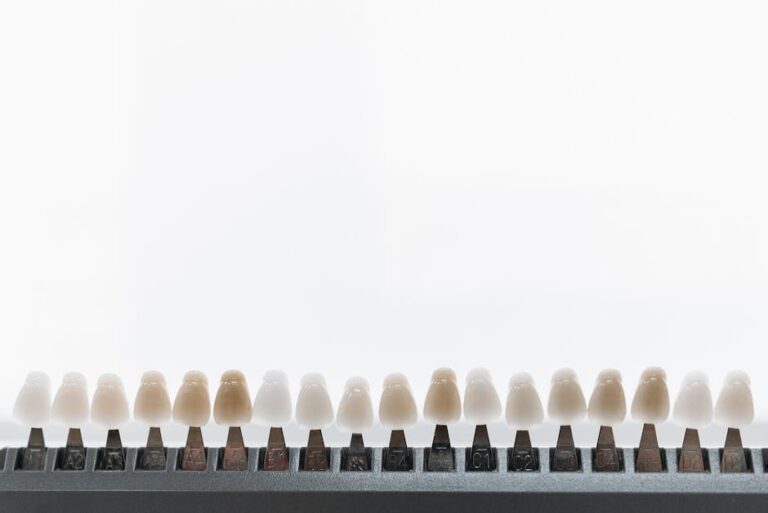
What the Veneers Process Actually Looks Like — Step by Step
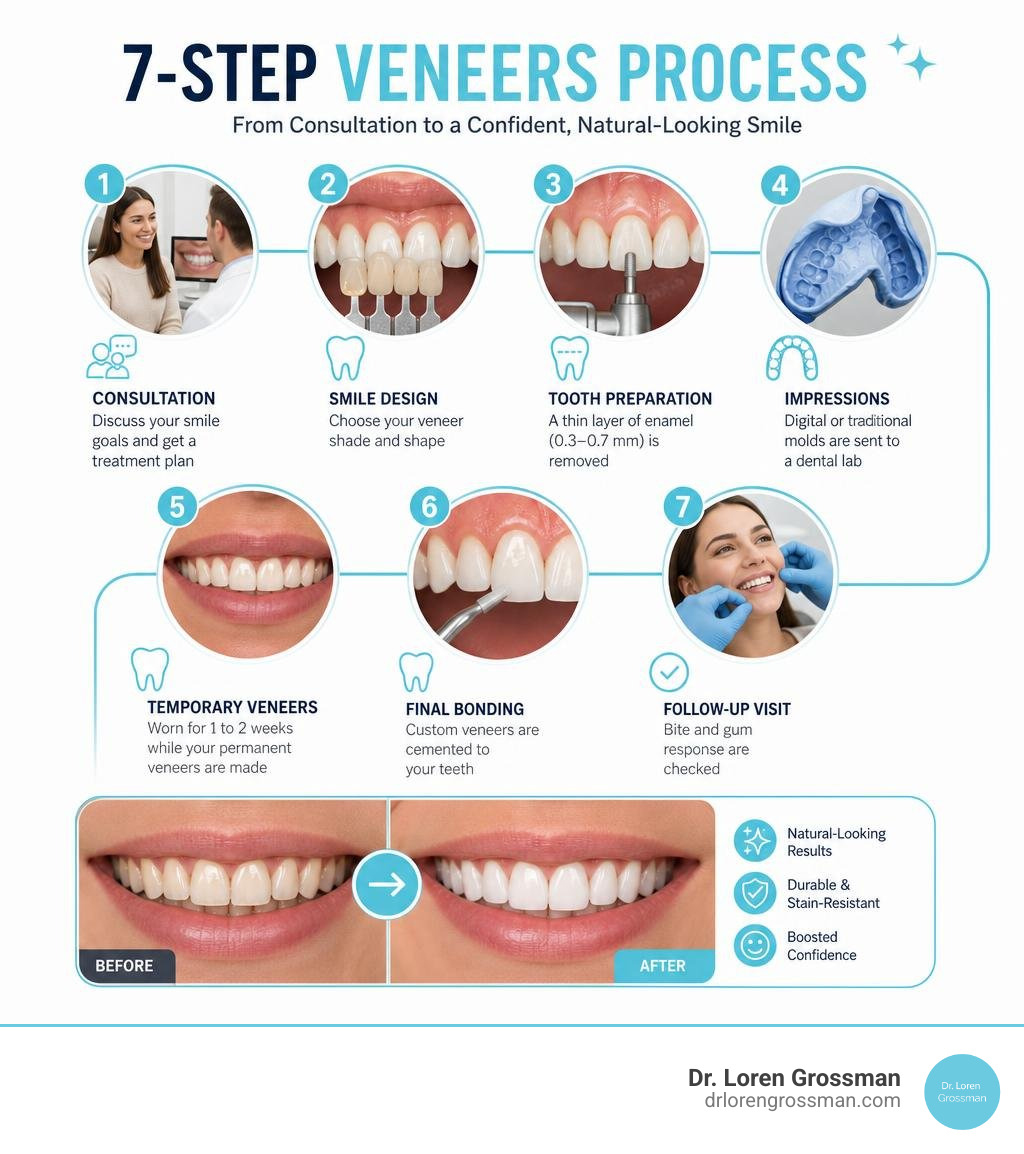
The veneers process typically takes 2 to 3 weeks and 2 to 3 dental visits. Here is a quick overview:
- Consultation — Discuss your smile goals and get a treatment plan
- Smile design — Choose your veneer shade and shape
- Tooth preparation — A thin layer of enamel (0.3–0.7 mm) is removed
- Impressions — Digital or traditional molds are sent to a dental lab
- Temporary veneers — Worn for 1 to 2 weeks while your permanent veneers are made
- Final bonding — Custom veneers are cemented to your teeth
- Follow-up visit — Bite and gum response are checked
You might feel nervous about changing your smile — and that is completely normal. Most patients are surprised by how straightforward the process turns out to be. Veneers are thin, custom-made shells (usually porcelain or composite resin) bonded to the front of your teeth. They can cover chips, stains, gaps, and minor crookedness in just a few appointments.
The results can be dramatic. But knowing what to expect at each step makes the whole experience far less stressful.
I’m Dr. Loren Grossman, a cosmetic and family dentist serving Northeastern Pennsylvania since 1984, and the veneers process is one of the smile transformations I find most rewarding — combining art and clinical precision to create results that look completely natural. Over more than four decades in practice, I’ve worked with trusted dental labs to craft veneers tailored to each patient’s unique bite, coloring, and goals.
Veneers process terms to remember:
Understanding Dental Veneers: Types, Costs, and Lifespans
When patients in Kingston, Pennsylvania visit us to discuss cosmetic dentistry, one of the first decisions we make together is choosing the right material. Dental veneers are not a one-size-fits-all treatment. The two primary options are porcelain veneers and composite resin veneers, each offering distinct advantages in terms of durability, stain resistance, cost, and overall appearance.
Porcelain Veneers
Porcelain is widely considered the gold standard for dramatic, long-lasting smile transformations. Crafted from high-quality dental ceramic, porcelain veneers mimic the natural light-reflecting properties of tooth enamel.
- Durability and Lifespan: Porcelain veneers typically last 10 to 15 years, and with meticulous care, they can easily last 20 years or more.
- Stain Resistance: Ceramic is highly non-porous, making it exceptionally resistant to stains from coffee, tea, red wine, and tobacco.
- Fabrication: These are manufactured off-site in a dental laboratory, which means the process requires at least two main visits.
Composite Veneers
Composite veneers are made from a tooth-colored composite resin — the same material used for dental bonding and tooth-colored fillings.
- Durability and Lifespan: They generally last about 5 to 7 years before needing to be repaired or replaced.
- Stain Resistance: Composite resin is more porous than porcelain, meaning it can discolor over time and may require periodic polishing.
- Fabrication: They can often be applied directly to the teeth in a single appointment, sculpted in real-time by the dentist.
To explore these options in greater detail, you can read More info about different types of veneers.
Comparing Porcelain vs. Composite Veneers
| Feature | Porcelain Veneers | Composite Veneers |
|---|---|---|
| Primary Material | High-grade dental ceramic | Tooth-colored composite resin |
| Typical Lifespan | 10 to 15+ years | 5 to 7 years |
| Stain Resistance | Outstanding (non-porous) | Moderate (can stain over time) |
| Time Commitment | 2 to 3 visits (requires lab work) | Often completed in a single visit |
| Reversibility | Irreversible (requires enamel prep) | Sometimes reversible (minimal prep) |
| Repairability | Must be replaced if fractured | Can often be patched or repaired |
| Average Cost | Higher initial investment | Lower entry cost |
Who is a Good Candidate for Veneers?
While veneers can work wonders, they are not suitable for every smile. Candidacy depends heavily on your baseline oral health, the thickness of your remaining enamel, and your daily habits.
To be a good candidate for the veneers process, you must meet the following criteria:
- Healthy Teeth and Gums: We must treat any active tooth decay, root canal infections, or gum disease before we can place veneers. Applying a cosmetic restoration over an unhealthy tooth is poor dentistry and can lead to severe issues later.
- Sufficient Enamel: Veneers need to bond to a solid layer of natural tooth enamel. If your enamel has been worn away by severe acid reflux, aggressive brushing, or wear, you may be a better candidate for a dental crown.
- No Severe Teeth Grinding (Bruxism): If you clench or grind your teeth at night, you put immense pressure on your restorations. While bruxism doesn’t completely disqualify you, we will require you to wear a custom night guard to protect your investment.
- Minor Alignment Issues Only: Veneers are fantastic for camouflaging slightly crooked teeth or small gaps. However, they are not a substitute for orthodontics if you have severe misalignment or major bite issues.
To evaluate whether this treatment aligns with your needs, you can Learn more about getting your perfect smile.
The Step-by-Step Veneers Process: 7 Steps to Your Perfect Smile
Understanding the clinical steps of the veneers process can help alleviate any anxiety you might feel about your upcoming appointments. We believe that patients do their best when they know exactly what will happen next.
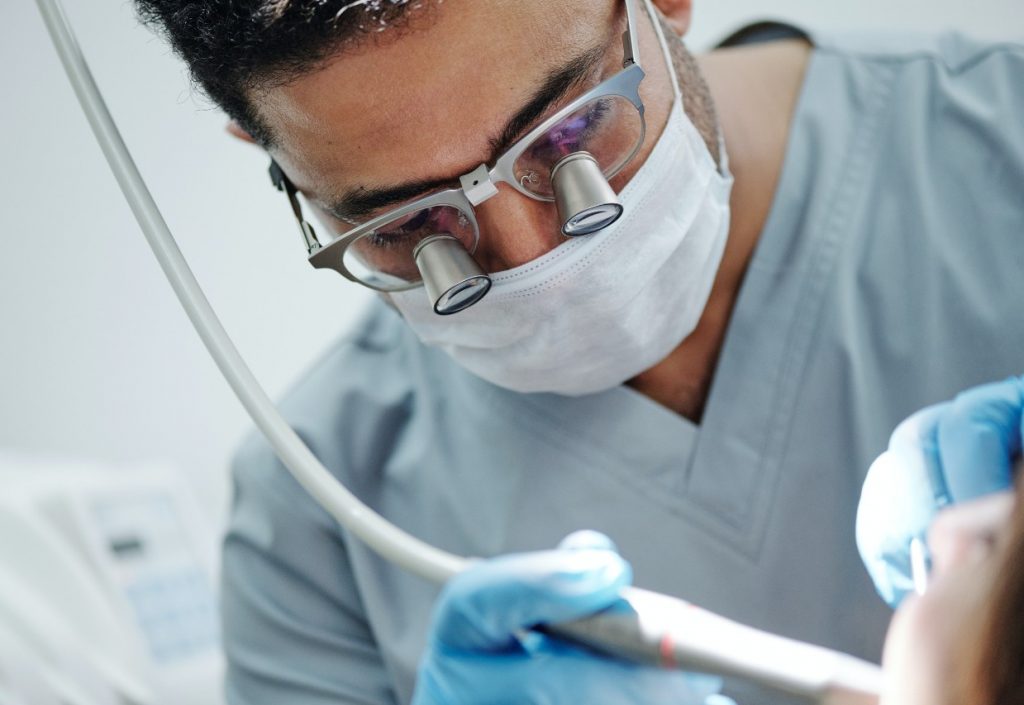
Step 1: The Consultation and Smile Design
Every smile makeover starts with an in-depth conversation. During this visit, we evaluate your oral health, take digital X-rays, and discuss your cosmetic goals. You can even bring in pictures of smiles you admire to help communicate your vision.
Step 2: Diagnostic Prep and Digital Preview
Using digital smile design technology, we can create a 3D digital preview of your final results. Studies show that patients who see a digital smile preview before treatment report 20% to 30% higher satisfaction once their veneers are complete. This collaborative phase ensures we agree on the exact shape, size, and shade of your new teeth.
Step 3: Conservative Tooth Preparation
To prevent the veneers from looking bulky or unnatural, we must prepare the receiving teeth. Using local anesthesia to ensure complete comfort, we gently remove a very thin layer of enamel — typically between 0.3 and 0.7 millimeters. This is roughly the thickness of a fingernail or a credit card. We then polish the prepared surfaces smooth to eliminate any stress points.
Step 4: Digital Scans and Impressions
Once the teeth are prepped, we capture highly precise digital impressions of your bite. Modern digital intraoral scanners are far more comfortable than traditional, messy putty molds. These scans are sent directly to our trusted dental laboratory. Digital scans allow the lab to achieve incredibly tight marginal fits, reducing edge gaps to under 25 micrometers (compared to 50–100 micrometers with traditional impressions).
Step 5: Temporary Veneer Placement
While the dental lab custom-crafts your permanent restorations, we place temporary veneers made of temporary acrylic resin. These temporaries protect your prepared teeth from temperature sensitivity and give you a real-world preview of your new smile. You can “test drive” the shape, size, and feel of your teeth, giving us feedback before the final porcelain is baked.
Step 6: Laboratory Fabrication
The laboratory phase takes about 2 to 3 weeks. Master ceramists use advanced techniques to build your veneers. Depending on your case, they may use milled (CAD-CAM) ceramic, pressed ceramic (which offers marginal gaps of just 10–20 micrometers), or hand-stacked porcelain for the most lifelike translucency.
Step 7: Final Bonding and Cementation
When your permanent veneers arrive, you will return for the bonding appointment. We remove the temporaries, clean your teeth, and “try in” the new veneers using a temporary gel to verify the fit and color. Once you approve the look, we isolate the teeth (often using a rubber dam, which can boost retention by up to 35% by keeping the area dry).
We acid-etch the enamel for 20 to 30 seconds to create a microscopic texture, apply a high-strength dentin adhesive, and bond the veneers using light-cured resin cement. We apply a curing light to harden the cement instantly, clear away any excess, and carefully verify your bite.
For a detailed look at the technical specifications of this procedure, you can review the clinical Veneer Installation Protocol or read our localized guide: Veneer Procedures in Kingston PA: Transform Your Smile with a Trusted Cosmetic Dentist.
For more general details on what this journey entails, read our comprehensive guide on Veneers Process: What You Must Know.
What to Expect During the Veneers Process Consultation
The initial consultation is the foundation of a successful smile makeover. It is not just an oral exam; it is a collaborative design session. We sit down with you to discuss what you like and dislike about your current smile, taking into account your facial symmetry, skin tone, and lip line.
During this appointment, we will perform a comprehensive bite assessment. The bite is the foundation of a long-lasting cosmetic restoration; if your teeth do not come together properly, it can put undue stress on your veneers, leading to early chips or debonding. We also check for signs of decay or periodontal issues.
To prepare for this first visit, we recommend writing down any questions you have and bringing along reference photos. For a closer look at what we cover during this initial step, you can Read our guide on understanding the veneers procedure.
How Long Does the Entire Veneers Process Take?
The entire journey from your initial consultation to your final smile reveal typically takes about 3 to 5 weeks.
Here is a typical timeline:
- Week 1: Consultation, comprehensive exam, and digital smile design.
- Week 2: Tooth preparation, digital scanning, and placement of temporary veneers (this appointment takes about 1 to 2 hours depending on how many teeth we are treating).
- Weeks 2–4: The dental laboratory custom-fabricates your porcelain veneers (usually taking 10 to 14 days).
- Week 4 or 5: Final bonding and cementation (this visit takes about 1 to 2 hours).
- Week 6: A quick follow-up appointment to check your bite and evaluate how your gums are responding to the new restorations.
If you are planning your treatment around a major life event, such as a wedding or a job interview, we recommend starting the process at least 6 weeks in advance to allow plenty of time for laboratory fabrication and final adjustments. To explore this timeline in greater detail, you can Check out the complete dental veneers guide for 2026.
Veneers vs. Alternative Cosmetic Treatments
Veneers are highly versatile, but they are not the only way to enhance your smile. Depending on your goals, budget, and oral health, other treatments might be more appropriate.
Dental Crowns
While a veneer only covers the front surface of a tooth, a dental crown covers the entire tooth structure down to the gum line. Crowns require more significant tooth preparation (enamel removal), but they provide structural strength to teeth that are cracked, severely decayed, or have undergone root canal therapy. Veneers are purely cosmetic and do not strengthen weakened teeth, whereas crowns offer both functional protection and aesthetic improvement.
Cosmetic Bonding
Cosmetic bonding uses the same composite resin material as composite veneers but is typically applied to resolve localized issues, such as a single chipped tooth or a small gap. Bonding is faster and less expensive than porcelain veneers, often completed in under an hour without any laboratory wait times. However, bonding is more prone to staining and chipping and has a much shorter lifespan (typically 3 to 5 years).
Orthodontics
If your primary concern is severely crooked teeth, rotated teeth, or a misaligned bite, orthodontics (such as Invisalign or traditional braces) is the healthiest path forward. While veneers can correct very minor spacing or crowding issues, they cannot fix complex orthodontic problems. In some cases, we may recommend a short course of orthodontic treatment to align your teeth before placing veneers, allowing for a much more conservative preparation process.
To read more about how these treatments compare, you can reference the Cleveland Clinic Veneers Guide or Discover how veneers compare to other procedures.
Frequently Asked Questions About Veneers
Getting veneers is a significant decision, and it is natural to have questions about the safety, longevity, and recovery of the procedure. Here are answers to some of the most common concerns we hear at our Kingston, PA office.
Do veneers damage natural teeth or cause permanent sensitivity?
One of the most common worries is that the preparation process will damage your natural teeth. In reality, modern cosmetic dentistry takes an exceptionally conservative approach. We only remove a microscopic layer of enamel (0.3 to 0.5 mm in most cases), preserving the healthy tooth structure underneath.
Because we remove a small amount of enamel, the process is considered irreversible. Once your teeth are prepped, they will always need to be covered by veneers or crowns.
Some patients experience mild, temporary sensitivity to hot or cold temperatures immediately after the preparation appointment or the final bonding. This sensitivity is completely normal and typically resolves within a few days as the teeth adjust. To dive deeper into this topic, you can read Do veneers ruin your teeth? and learn about potential Veneers side effects and risks.
Can veneers be whitened, repaired, or replaced?
Porcelain veneers are highly stain-resistant, which is fantastic for keeping your smile bright. However, this also means they cannot be whitened with traditional bleaching gels. If you want to whiten your natural teeth, we recommend doing so before starting the veneers process, allowing us to match your new veneers to your newly brightened smile.
If a veneer chips or fractures, the repair options depend on the material:
- Composite Veneers: Can often be patched or repaired directly in the office in a single visit.
- Porcelain Veneers: Generally cannot be patched. If a porcelain veneer experiences a major fracture, it will need to be replaced.
If a veneer becomes loose or falls off entirely, keep the restoration safe and call our office immediately. In many cases, if the veneer is intact and the underlying tooth is healthy, we can clean and re-bond it. To find out what to do in this scenario, read What to do when a veneer chips or fails.
What should I expect during recovery and aftercare?
Recovery after getting veneers is remarkably quick. Most patients can return to work or their normal daily activities immediately after their appointments.
To maximize the lifespan of your veneers, we recommend following these aftercare guidelines:
- Practice Excellent Oral Hygiene: Brush your teeth twice a day for two minutes using a soft-bristled toothbrush and a non-abrasive fluoride toothpaste. Floss daily to protect the margins where the veneer meets your natural tooth.
- Avoid Using Your Teeth as Tools: Never use your teeth to open packages, bite your fingernails, or chew on ice, pens, or hard candy.
- Protect Against Grinding: If you clench or grind your teeth, wear your custom night guard every single night. This simple step can reduce the risk of veneer fractures by 60% to 75%.
- Limit Staining Agents: While porcelain resists stains well, the bonding cement at the edges can discolor over time. Rinsing your mouth with water after drinking coffee, tea, or red wine helps keep your margins looking clean.
- Keep Regular Cleanings: Visit us every six months for professional cleanings and exams so we can monitor the health of your gums and the integrity of your restorations.
For more helpful tips on what to expect as you heal, read The painless truth about getting veneers.
Conclusion
A beautiful, confident smile can truly transform how you present yourself to the world. At the office of Dr. Loren Grossman, we are dedicated to providing top-tier cosmetic and general dentistry to patients throughout Northeastern Pennsylvania.
By combining advanced clinical technology, conservative preparation techniques, and a patient-focused approach, we work to ensure your veneers process is comfortable, predictable, and rewarding. Whether you want to correct minor chips, close gaps, or achieve a bright, uniform smile, our Kingston, PA team is here to guide you through every step of your transformation.
Are you ready to take the first step toward your dream smile? Schedule your consultation for dental veneers with us today!