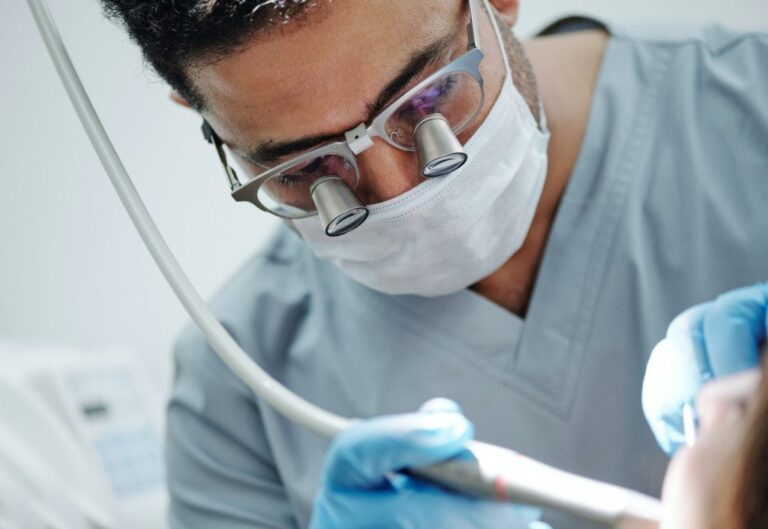
How to schedule a dental exam in Wilkes-Barre, PA
To schedule a dental exam in Wilkes-Barre, PA, choose a dentist who sees patients your age, ask what the visit includes and what it will cost, and bring your medication list and insurance details. At the exam, your dentist will review your health history, check your teeth and gums, and explain any recommended care.
A visit can help catch problems before they become painful. Your dentist can also suggest how often you should return based on your needs. Scheduling early and confirming what to bring can make your first visit calmer and more efficient for everyone involved. You do not need to wait for pain to book.
I’m Dr. Loren Grossman, and I’ve cared for Wyoming Valley families since 1984. If you searched for “dental exam wilkes-barre pa,” the steps below will help you know what to expect and how to prepare.
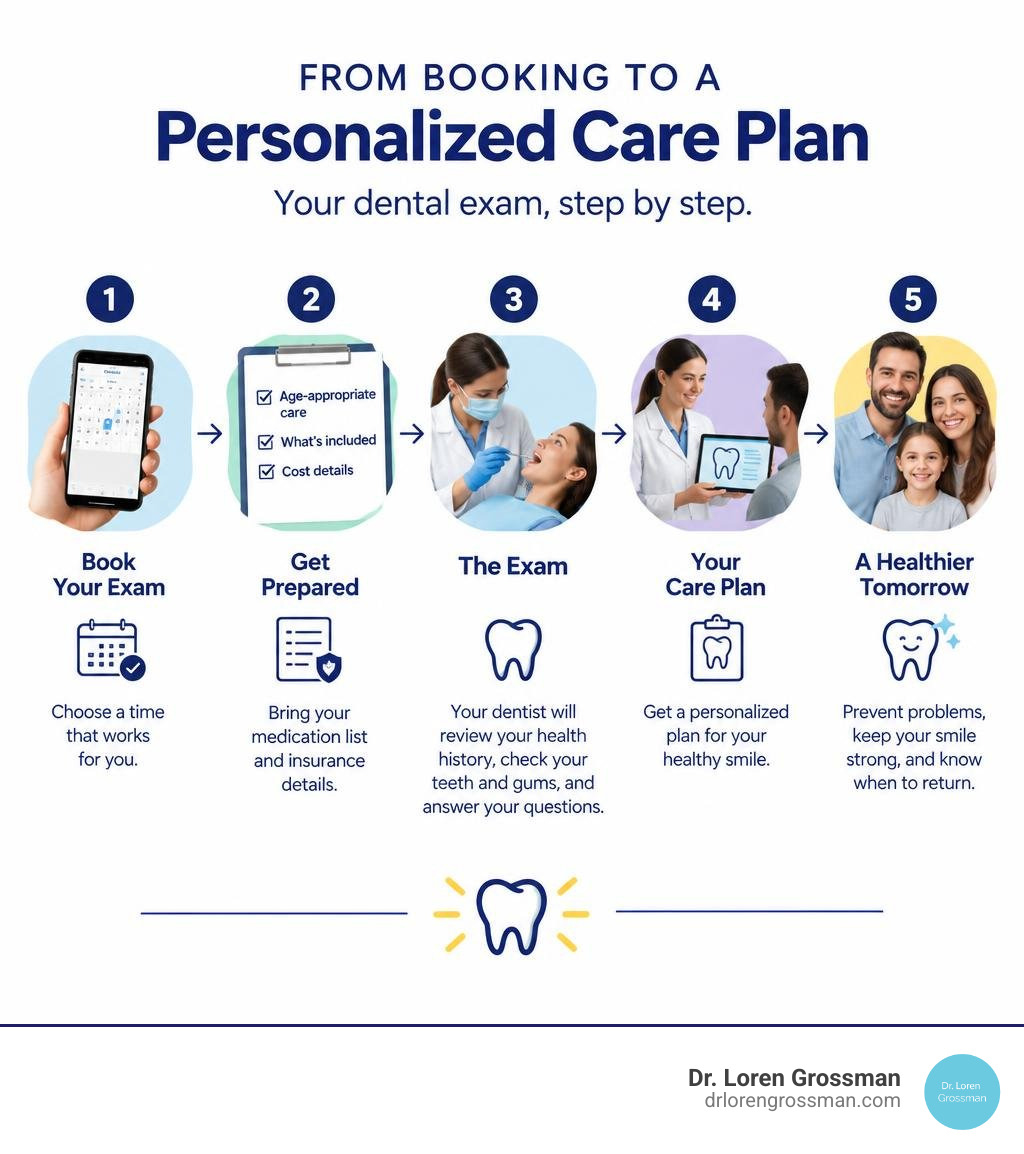
What a dental exam in Wilkes-Barre, PA includes
When you step into our office for a comprehensive checkup, our goal is to evaluate your entire oral ecosystem rather than just counting teeth. A thorough checkup serves as the foundation of our general dentistry services, combining clinical precision with gentle, personalized care. That comprehensive approach allows us to compare what we see today with your previous records, track subtle changes over time, and prioritize care that protects your long-term comfort, function, and confidence.

During a standard routine exam and cleaning, we guide you through several essential evaluation stages:
- Medical and Dental History Review: We discuss any changes in your overall health, new medications, recent surgeries, or specific concerns such as sensitivity and jaw clicking.
- Visual and Manual Tooth Examination: We inspect every tooth surface for enamel demineralization, existing restoration stability, fractures, and early signs of decay.
- Periodontal (Gum) Assessment: We measure the space between your teeth and gum tissue using gentle periodontal probing to detect early gingivitis or deeper periodontal pockets.
- Oral Cancer Screening: We perform a visual and palpation check of your lips, tongue, throat, cheeks, and neck tissues to spot unusual lesions, white patches, or swelling.
- Digital Diagnostics: When clinically indicated, we take low-radiation digital X-rays to see between tightly spaced teeth and evaluate the underlying jawbone structure.
Each part of the exam builds on the others, so findings from your history, gum assessment, and X-rays can be considered together before we recommend any treatment.
What to expect at your first dental exam
Your initial visit establishes your baseline oral health. When you arrive as a new patient, we begin by reviewing your registration forms, medical history, and any dental anxieties you might have. We want you to feel relaxed and heard. We also take time to learn about your goals, whether that is keeping your natural teeth healthy, improving comfort, or addressing concerns you have postponed.
Once you are comfortable in the chair, we perform a complete assessment, gather any necessary digital radiographs, and record our findings. Before any treatment begins, we sit down with you to discuss our observations, explain your customized care plan, and answer all your questions about timelines and priorities.
How exams differ for children, adults, and seniors
Oral health needs evolve across every stage of life, which is why our approach adjusts as your family grows. Because no two mouths are exactly alike, we tailor the depth and focus of each exam to your age, health status, and personal risk factors.

- Children and Teens: Pediatric visits emphasize tracking facial growth, monitoring primary tooth exfoliation and permanent eruption, evaluating bite alignment, and placing protective dental sealants. We also coach young patients on proper brushing mechanics in an encouraging, fun way.
- Adults: Adult appointments center on preserving natural tooth structure, checking the integrity of past fillings or crowns, screening for early periodontal disease, and addressing stress-related habits like clenching or nighttime grinding (bruxism).
- Seniors: For older adults, our focus shifts toward managing age-related challenges. We pay close attention to dry mouth (xerostomia) caused by prescription medications, root surface decay, wear from decades of chewing, and the fit and hygiene of partial or full dentures.
Common issues an exam may detect
Routine evaluations frequently catch conditions long before they trigger noticeable pain. Identifying these issues early often means simpler, less invasive treatment and a better chance of preserving your natural teeth. During a checkup, we routinely identify:
- Asymptomatic Tooth Decay: Small cavities forming beneath old fillings or between teeth that flossing missed.
- Early-Stage Gingivitis and Periodontitis: Chronic inflammation that weakens bone support if left untreated.
- Enamel Erosion and Microcracks: Wear caused by acidic diets, acid reflux, or unconscious tooth grinding.
- Bite Misalignments: Uneven bite forces that contribute to temporomandibular joint (TMJ) discomfort and chipped enamel.
- Soft-Tissue Lesions: Precancerous patches, viral sores, or systemic health warning signs showing up inside the mouth.
How often to schedule a dental exam in Wilkes-Barre, PA—and why regular visits matter
A standard recommendation for many patients is to visit every six months, but optimal recare intervals are customized to your individual risk factors. Patients with active periodontal disease, diabetes, or a high rate of cavity formation benefit from visits every three to four months, while individuals with low risk may maintain excellent stability on a semiannual schedule. The American Dental Association provides helpful guidelines on tailored Recare Appointments to help patients determine their ideal timing. You can also explore our guide on the recommended dental visit frequency to better understand what schedule fits your lifestyle. Your dentist may adjust that interval after reviewing your gum health, cavity history, medications, and overall medical conditions, so the plan can change as your needs change over time.
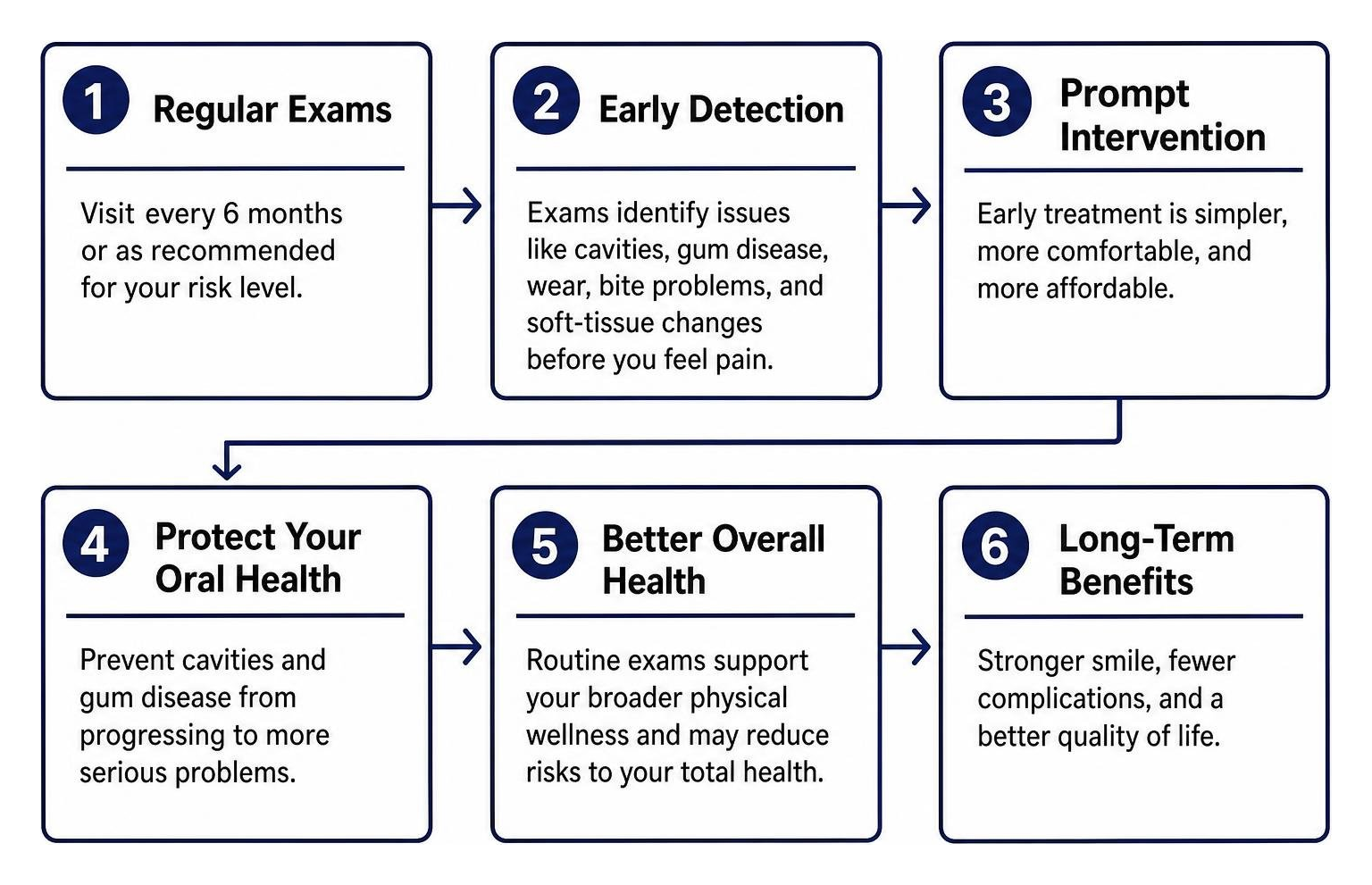
Staying consistent with checkups delivers vital benefits of regular checkups that protect both your smile and your broader physical wellness. Research shows that adults who visit their dentist for a routine exam at least once a year are 30% less likely to develop severe gum disease. Routine screenings can also reduce oral cancer risks significantly through prompt intervention, as catching tissue changes early increases successful treatment outcomes by up to 50%. Even if you feel fine, regular exams create a record that helps your care team notice gradual changes that might otherwise go unnoticed until they become more serious.
In Luzerne County, about 35% of adults report not visiting a dentist in the past year—a figure notably higher than the national average of 27%. In addition, approximately 1 in 4 adults across Pennsylvania currently live with untreated tooth decay. Skipping regular checkups allows minor surface issues to progress into deep infections that require root canals or extractions. Maintaining preventive care keeps treatments conservative, comfortable, and affordable.
How to find an affordable, reputable dental exam in Wilkes-Barre, PA
Finding the right dental provider in the Wyoming Valley involves looking for a balance of clinical expertise, modern diagnostic tools, and compassionate communication. Look for a practice with deep roots in the community, transparent pricing policies, and verified patient reviews that highlight gentle chairside manners. Reading recent reviews, checking years of experience, and confirming that the office explains findings in plain language can help you feel confident about your choice.
Local resources and ways to manage costs
Nearly 60% of Pennsylvania adults cite cost as a primary hurdle to receiving timely dental care. If you are navigating a tight budget, explore these community avenues to ensure you do not skip vital evaluations. These options can help you stay on track with preventive care even when budgets are tight:
- Community Health Centers: Federally Qualified Health Centers (FQHCs) located throughout Luzerne County offer primary dental care with sliding-scale fee structures based on household income.
- Regional Hygiene and Dental Clinics: Nearby educational programs and community clinics frequently provide supervised, low-cost preventive assessments, cleanings, and basic diagnostic radiographs.
- Call-Ahead Inquiries: When contacting an office, ask upfront about new-patient preventive packages, what diagnostic services are included, and whether itemized written estimates are provided before procedures begin.
Insurance and payment options to ask about
Most dental insurance plans prioritize prevention, often covering routine diagnostic exams, standard cleanings, and yearly digital X-rays at 80% to 100% with minimal out-of-pocket copays.
When scheduling, verify your network status, annual maximums, and deductible details. If you lack private insurance or have reached your plan limit, ask about flexible in-house payment options or third-party healthcare financing plans like CareCredit. Asking for a clear estimate before treatment begins also helps you plan ahead and avoid unexpected costs later. Having clear financial discussions prior to treatment eliminates surprises and allows you to focus entirely on your health.
How to prepare for your dental exam
A little preparation ensures your visit runs smoothly and maximizes your time with our clinical team. Preparing in advance also helps you feel more relaxed, because you will know what information to share and what questions you want to ask during your visit. Here is how you can get ready:
- Gather Your Records: Write down a complete list of your current medications, vitamins, and supplements, along with contact details for your primary care physician. If you had dental X-rays taken elsewhere in the past year, request that they be emailed to your new office ahead of time.
- Maintain Daily Hygiene: Brush and floss thoroughly before arriving for your appointment. Daily dedication to preventive dental care tips keeps plaque levels manageable and makes professional cleanings faster and more comfortable.
- Note Any Discomfort: If you have noticed sensitivity to hot or cold drinks, bleeding when you floss, or jaw stiffness in the morning, make a mental note so we can evaluate those areas closely. If you develop sudden throbbing or localized swelling, review these warning signs that need prompt attention and notify us immediately so we can adjust your visit. If you feel nervous, let us know so we can proceed comfortably.
Conclusion
Protecting your smile starts with a commitment to consistent, preventive care. Whether it has been six months or several years since your last dental visit, our team is dedicated to providing comfortable, advanced treatment in a welcoming setting. Taking that first step today can give you peace of mind about your smile. Discover how our Kingston family dentist care for all ages can support your lifelong wellness, and book an appointment with Dr. Loren Grossman today to put your family’s oral health first.