Major Signs You Need to See a Dentist Before Complications Arise
The primary signs you need to see a dentist include bleeding or swollen gums, lingering temperature sensitivity, persistent bad breath, chipped or loose teeth, and non-healing mouth sores or jaw pain. While most people associate dental visits with severe toothaches, oral issues rarely begin with intense pain. Tooth enamel lacks living nerves, meaning asymptomatic decay can silently progress through the tooth structure unnoticed. By the time an ache becomes severe, bacteria have often penetrated deep into the inner pulp. Learning to identify these early warning signals allows you to protect your smile and avoid complex, costly procedures down the road.
Bleeding or Swollen Gums: Early Signs You Need to See a Dentist
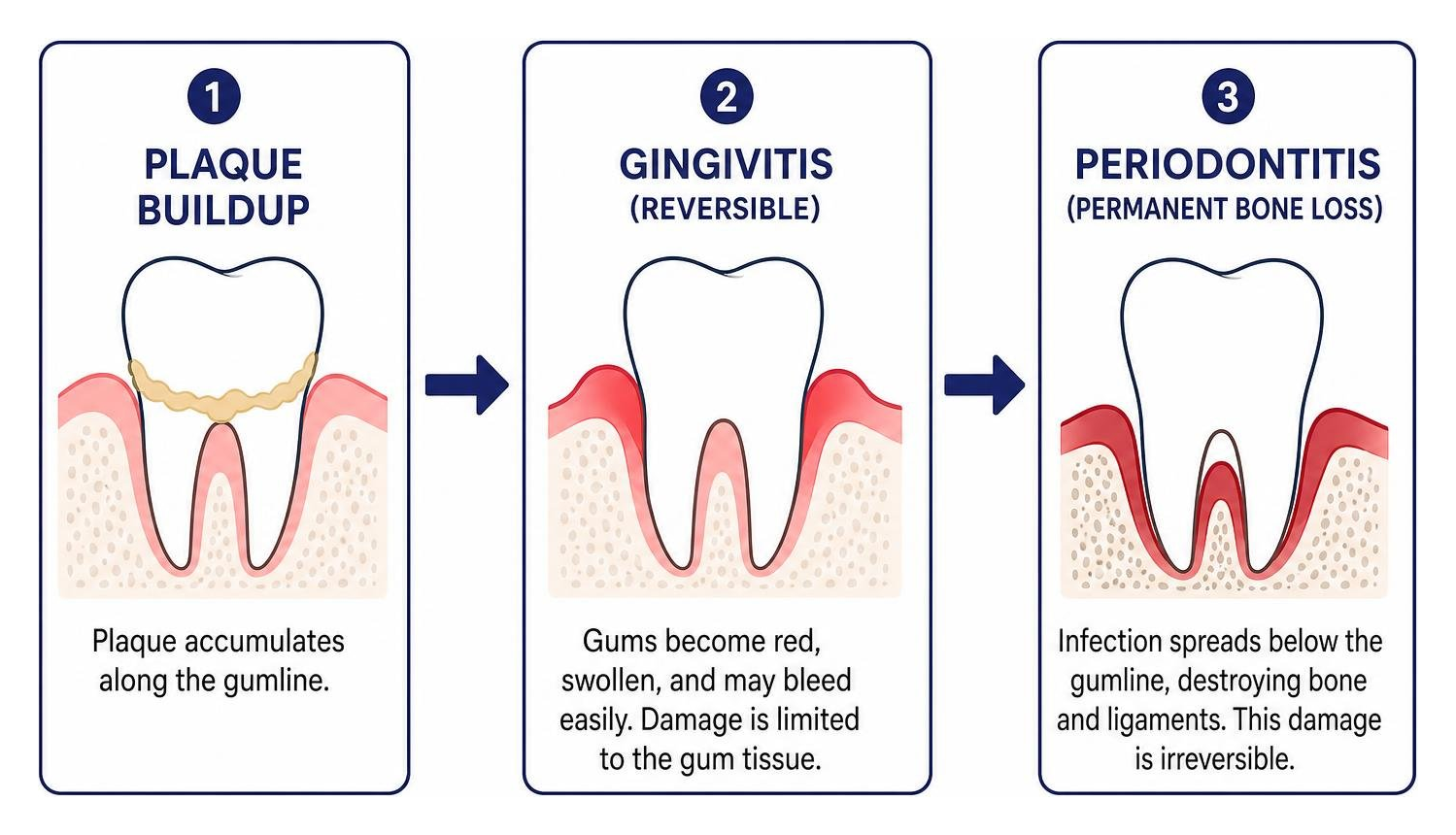
Healthy gum tissue should be firm, pale pink, and resilient. If you spot pink in the sink when brushing or flossing, your gums are sending an alert. Bleeding, puffy, or tender gum tissue is the hallmark of gingivitis, the earliest stage of periodontal disease.
When bacterial plaque accumulates along and under the gumline, it triggers an immune response that inflames the surrounding tissue. Left untreated, gingivitis progresses into periodontitis. At this advanced stage, the infection begins destroying the alveolar bone and periodontal ligaments anchoring your teeth in place. While learning how to stop your gums from seeing red through meticulous home hygiene is vital, only a professional dental cleaning can remove hardened tartar (calculus) and halt bone loss.
Lingering Temperature Sensitivity and Other Signs You Need to See a Dentist
A momentary twinge when sipping an iced beverage isn’t always alarming, but temperature sensitivity that lingers for more than a few seconds points to an underlying structural issue.
When tooth enamel wears thin, or when gums recede to expose delicate root surfaces, the underlying layer called dentin becomes vulnerable. Dentin contains thousands of microscopic tubules leading directly to the tooth’s nerve center. Understanding enamel erosion and cold pain helps explain why things like hot coffee, ice cream, or even stepping outside when cold air hurts your tooth can trigger sudden discomfort. Lingering thermal sensitivity often indicates deep decay, a hairline tooth fracture, or internal pulp inflammation that requires an exam before the nerve suffers irreversible damage.
Persistent Bad Breath or Chronic Bad Taste
We all experience morning breath or the temporary aftereffects of a garlic-heavy meal. However, chronic bad breath (halitosis) or a persistent foul taste that refuses to clear after thorough brushing and mouthwash suggests a deeper bacterial reservoir.
Chronic odor is frequently caused by volatile sulfur compounds released by anaerobic bacteria hiding inside deep periodontal pockets or beneath failing dental restorations with leaky margins. In other cases, medication-induced dry mouth (xerostomia) reduces cleansing saliva flow, allowing bacteria and food particles to stagnate. Rather than masking the issue with mints, a dentist can pinpoint the source of the infection and treat it directly.
Chipped, Cracked, or Loose Adult Teeth
Adult teeth should never feel mobile. A loose permanent tooth is a clear sign of either advanced bone loss from periodontal disease or severe occlusal trauma from chronic teeth grinding (bruxism).
Similarly, physical trauma from biting down on hard objects can crack or chip a tooth. Even if a fracture seems superficial and painless initially, it compromises the tooth’s structural integrity. Chewing forces flex the crack, eventually exposing the inner pulp to oral bacteria. Exploring professional chipped tooth repair options promptly helps prevent sudden breakage, deeper infections, and complex reconstructive needs.
Non-Healing Mouth Sores and Lingering Jaw Pain
Mouth sores such as minor canker sores typically resolve within 7 to 10 days. Any oral lesion, ulcer, or red or white patch that persists beyond a strict two-week threshold requires immediate professional evaluation and routine oral cancer screening.
Additionally, persistent jaw stiffness, clicking, popping, or chronic morning headaches often stem from temporomandibular joint (TMJ) dysfunction or nighttime bruxism. Unchecked grinding places immense stress on the jaw joints, wears down enamel, and fractures dental work. A custom-fitted nightguard and targeted bite therapy can alleviate tension and protect your dentition.
Additional Warning Signs That Warrant a Dental Evaluation
Beyond the major indicators above, several other subtle changes in your oral health deserve professional attention. A metallic taste in your mouth, for instance, can signal a leaking amalgam filling or early gum disease. Teeth that suddenly feel rough or develop sharp edges may indicate enamel erosion from acid reflux or an abrasive diet. If you notice food consistently getting stuck between specific teeth, a cavity or failing restoration may be creating a new gap. Even a change in how your bite feels when you close your mouth can point to shifting teeth, a cracked cusp, or temporomandibular joint dysfunction. Paying attention to these quieter signals allows your dentist to intervene while treatment remains minimally invasive and cost-effective.
Minor Dental Symptoms vs. Urgent Emergencies
Understanding how to triage your symptoms helps you seek the right level of care at the right time. While some problems can wait a few days for a routine opening, true emergencies demand immediate intervention to save a tooth or stop a spreading infection.
Review the table below to differentiate between routine concerns and acute dental emergencies:
| Symptom Category | Minor / Non-Urgent (Schedule within 1–2 Weeks) | Urgent / Emergency (Seek Immediate Care) |
|---|---|---|
| Tooth Discomfort | Mild, brief sensitivity to cold or sweets | Throbbing, spontaneous pain keeping you awake |
| Gum Health | Slight bleeding during flossing; mild swelling | Dark, localized abscess or pus draining from gums |
| Structural Damage | Small enamel chip without pain or sharp edges | Knocked-out (avulsed) tooth, or a severe break exposing pink pulp |
| Facial & Jaw Symptoms | Mild morning jaw tightness or clicking | Visible facial swelling, high fever, or difficulty swallowing |
| Soft Tissue Lesions | Canker sore under 10 days old | Non-healing ulcer lasting over 2 weeks or uncontrolled oral bleeding |
Familiarizing yourself with the top common dental emergencies helps you act quickly when accidents happen. If you experience severe trauma or rapid swelling, contacting an office that provides dedicated emergency dentistry services is critical for preserving your smile and protecting your overall health.
Recommended Dental Visit Frequency and Long-Term Health Risks
For the average adult with healthy gums, visiting the dentist every six months serves as the gold standard for preventative care. These checkups allow our team to remove calcified deposits, assess existing restorations, and catch subtle enamel demineralization before it becomes a cavity. However, individuals with high-risk factors—such as diabetes, a history of periodontitis, tobacco use, or pregnancy—benefit significantly from recall appointments every three to four months.
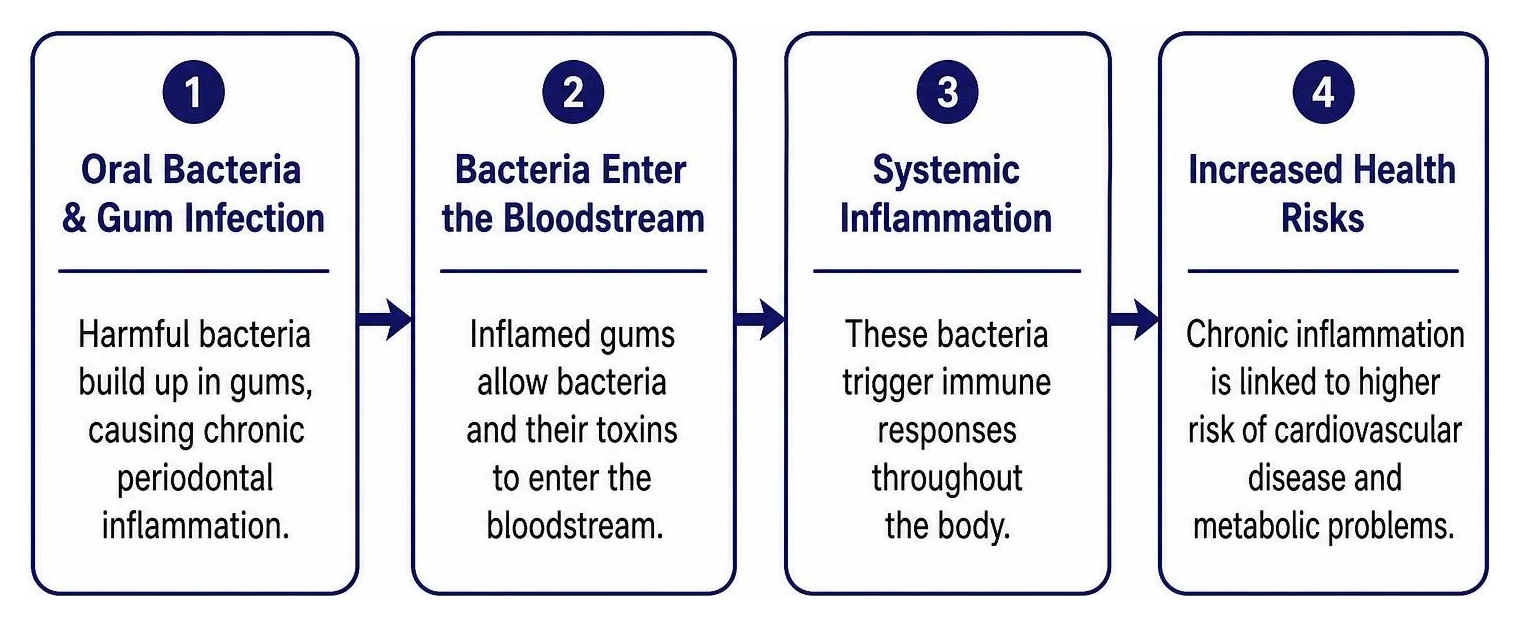
Neglecting routine care carries consequences that extend far beyond your mouth. Clinical research continues to confirm the mouth-body connection: chronic periodontal inflammation allows bacteria to enter the bloodstream, contributing to systemic issues like cardiovascular disease, arterial plaque formation, and impaired blood sugar regulation in diabetics. According to the American Dental Association, regular professional cleanings and examinations remain essential for preventing both oral disease and its systemic complications.
Implementing comprehensive preventative oral care routines at home alongside regular dental checkups safeguards both your smile and your systemic wellness. Patients who maintain consistent recall schedules typically require fewer restorative procedures over their lifetime, experience less dental anxiety, and enjoy better overall health outcomes than those who postpone care until symptoms become severe.
Frequently Asked Questions About Visiting the Dentist
How long can you safely wait to see a dentist after noticing symptoms?
You should ideally schedule a visit within one to two weeks of noticing persistent, mild symptoms like gum bleeding or minor sensitivity. Waiting months allows minor enamel decay to penetrate the dentin and reach the pulp, transforming an inexpensive 30-minute composite filling into a costly root canal and dental crown.
Can dental problems resolve on their own without professional care?
No. Unlike living bone or skin, tooth enamel cannot regenerate once structural loss, cracks, or bacterial cavities occur. While gum inflammation may temporarily subside with rigorous brushing, subgingival tartar and established infections remain trapped beneath the gumline until removed with clinical instruments.
How often should high-risk patients schedule dental cleanings?
Patients diagnosed with active periodontitis, uncontrolled diabetes, compromised immune systems, or high genetic cavity susceptibility should receive professional cleanings every three to four months. This interval disrupts pathogenic bacterial colonies before they can cause further tissue destruction and bone loss.
What should I do if I notice bleeding gums but have no pain?
Schedule a dental evaluation promptly, even without discomfort. Bleeding gums indicate active inflammation caused by bacterial plaque accumulation along the gumline. Early-stage gingivitis is fully reversible with professional cleaning and improved home care, but untreated inflammation can progress to periodontitis, which permanently destroys the bone supporting your teeth.
Are dental X-rays really necessary if I have no visible problems?
Yes. Many serious dental conditions—including interproximal cavities, bone loss, impacted teeth, and periapical infections—remain invisible to the naked eye during a visual examination. Dental X-rays allow your dentist to detect these issues in their earliest, most treatable stages, often years before symptoms develop.
Conclusion

Your oral health is foundational to your overall well-being and daily confidence. Recognizing subtle oral warning signs early ensures that minor dental concerns are resolved quickly, comfortably, and affordably.
At Dr. Loren Grossman’s practice in Kingston, PA, we combine decades of clinical experience with modern, gentle techniques to keep your smile healthy and functional. Whether you need a routine cleaning or advanced restorative treatment, exploring our comprehensive general and cosmetic dental services is the first step toward lasting oral health. Don’t wait for dental pain to disrupt your life—schedule your visit today.